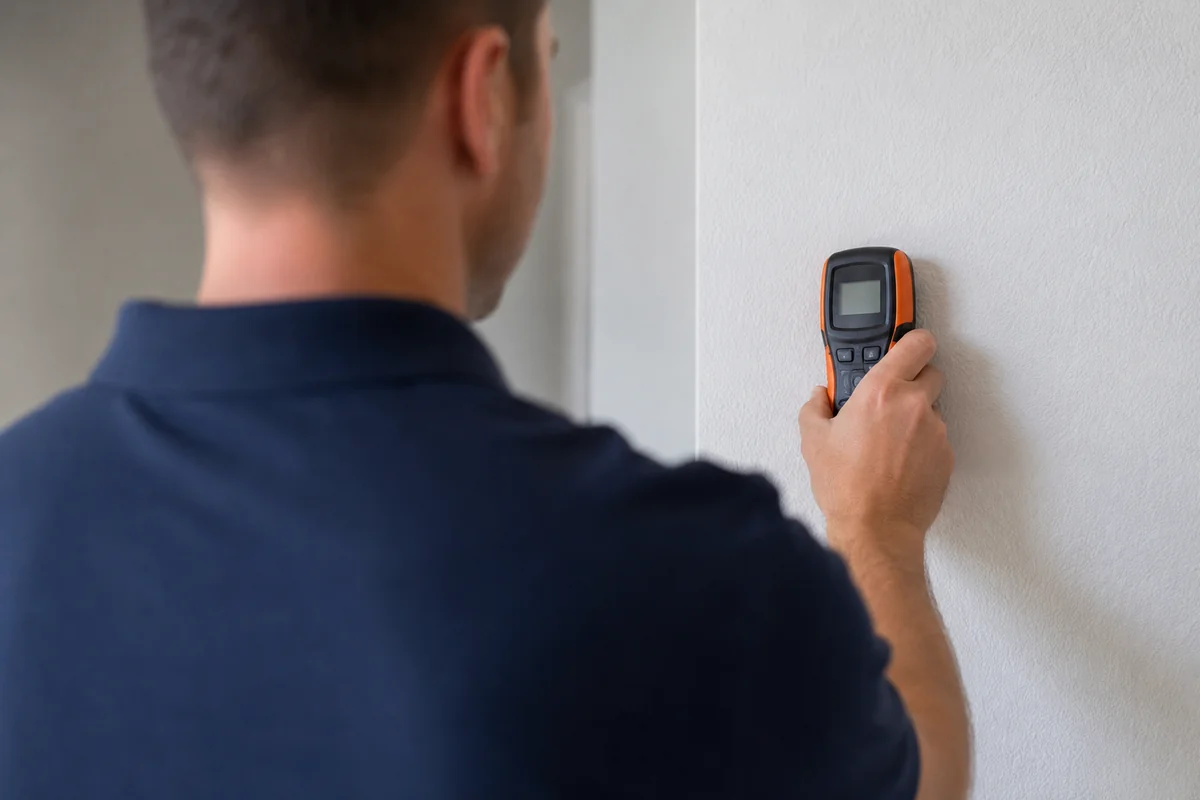
Found something that might be mold? Let's figure out what it is and what to do.
Straight answers, no fear, no upsell. Understand it, decide what to do, and reach a licensed local pro if you need one.
Free mold tools, built on real data
Turn a mold scare into a clear next step
Most sites either scare you or sell you. These four tools help you understand the mold you are dealing with, then decide what to do about it.
Identify
Is it actually mold, or just mildew?
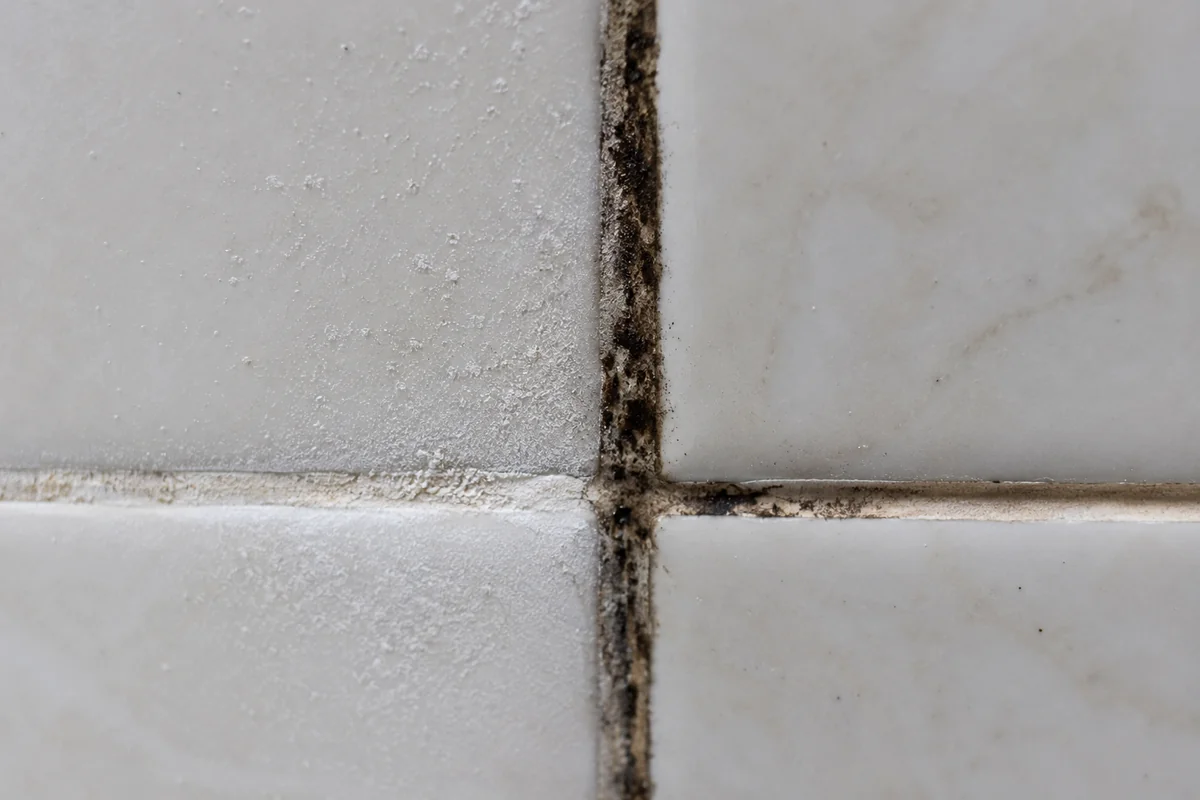
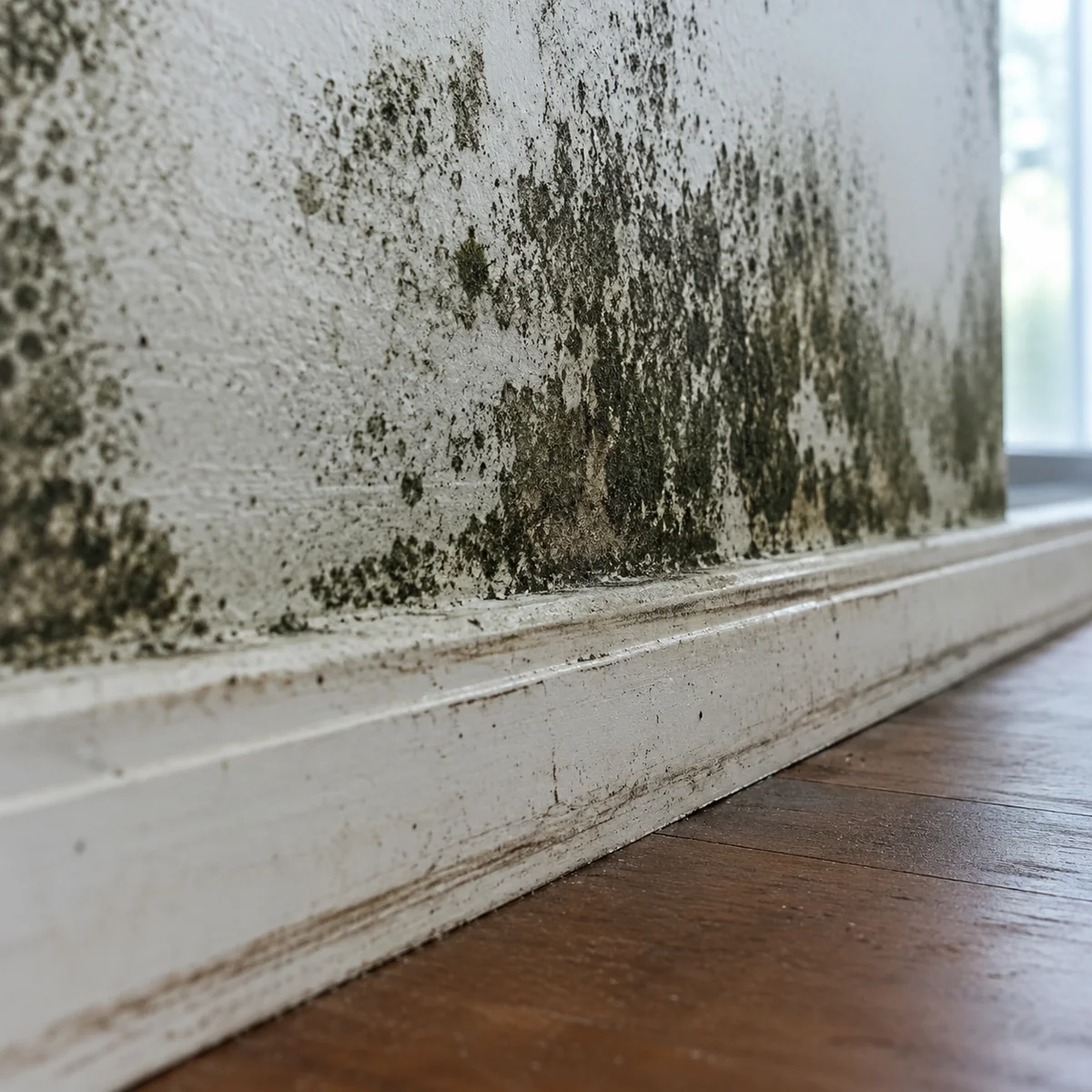
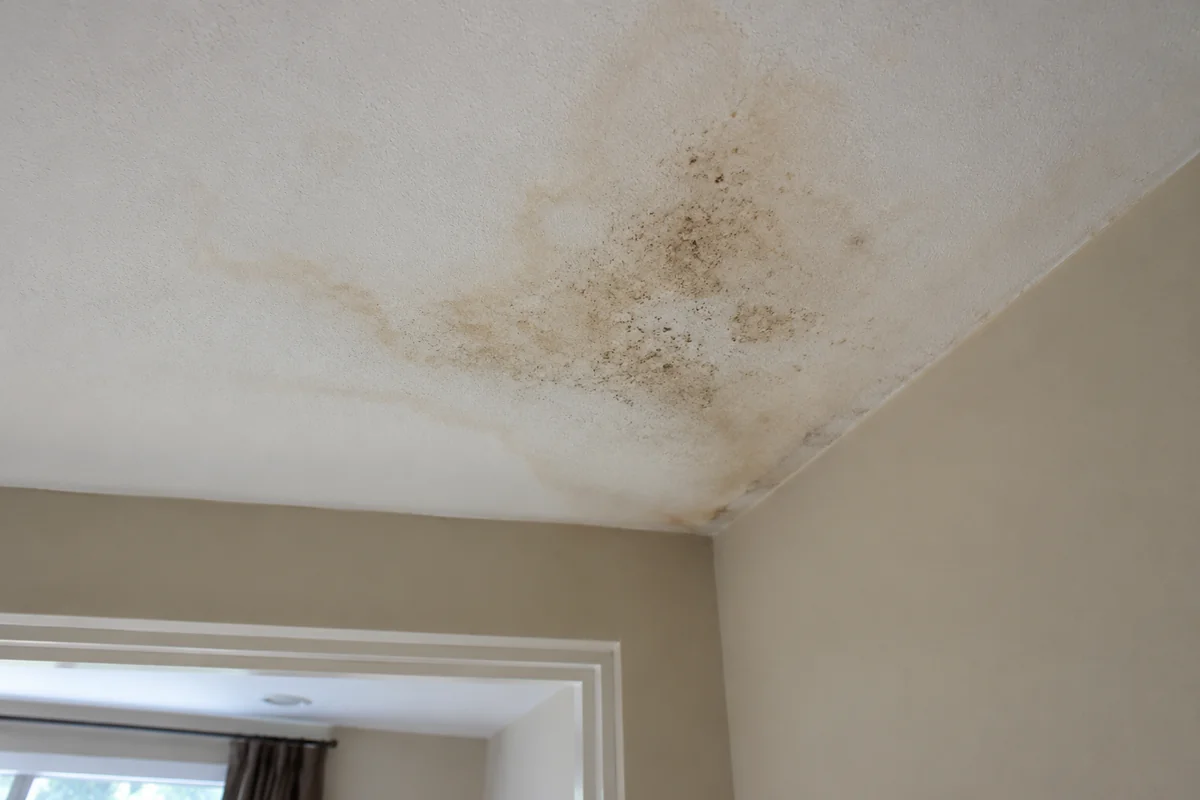
Not every dark patch is mold, and not every mold is a crisis. The guided identifier walks you through color, texture, location, and moisture, then gives you a plain read on whether you are looking at mold, surface mildew, powdery efflorescence, or an old water stain.
What it turns out to be changes what you do next. A wipeable film on grout is a different problem from fuzzy growth creeping behind a baseboard, and the check points you to the right guide either way.
- Tells mold apart from mildew, efflorescence, and water stains
- Flags when a patch is likely past a safe do-it-yourself clean
- Sends you to the matching how-to for what you actually found
More Is black mold dangerous?Mold after water damageBathroom mold
Assess
Know your home's real mold risk
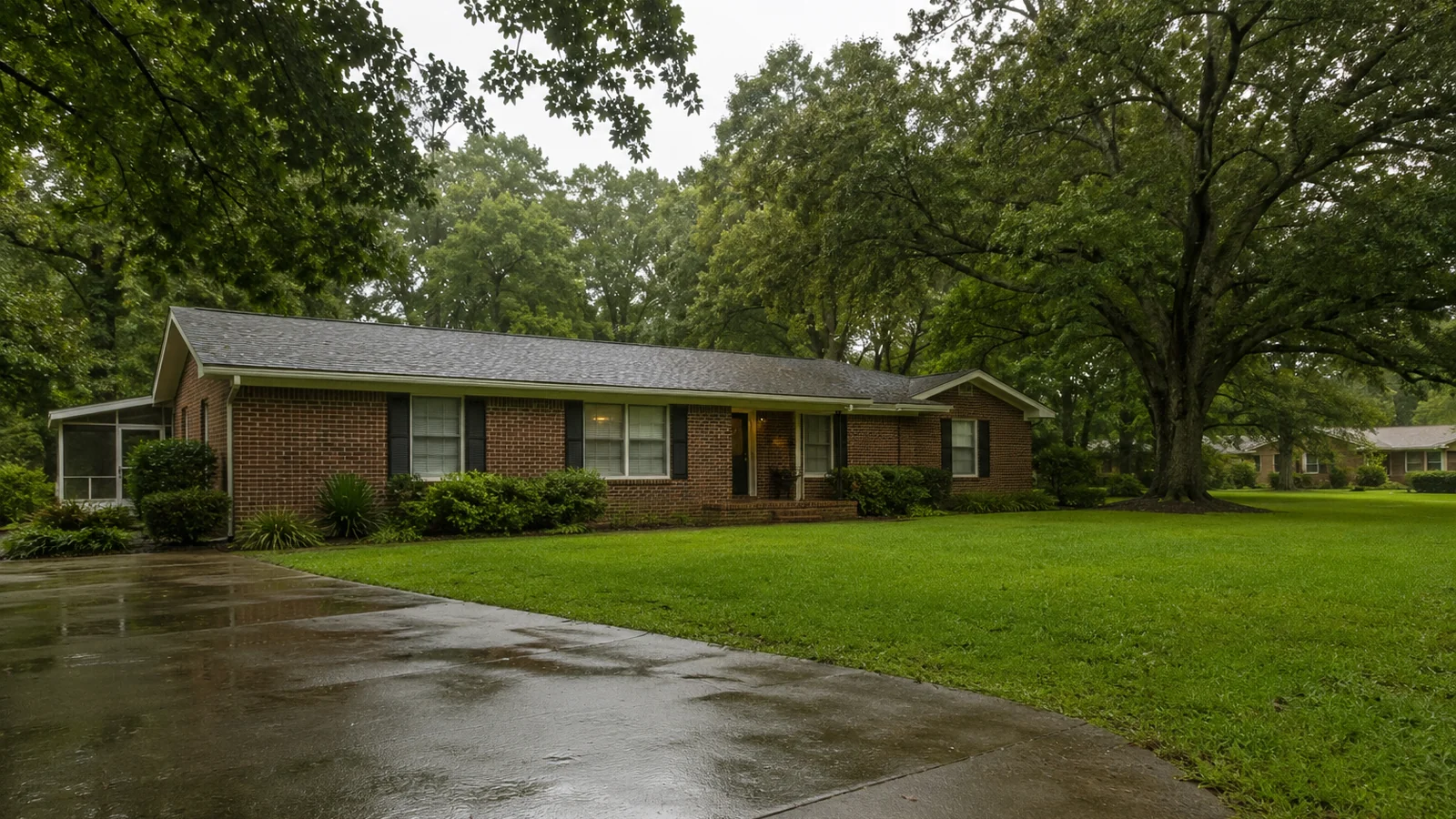
Mold risk is mostly about where you live and how your home was built. Pick your city and Your Home Report pulls real climate normals, the typical construction era, and local flood exposure into one snapshot, then lists the government offices to call in your area.
It is the fast way to see whether your climate pushes mold risk up before a problem starts, and exactly who to reach locally if it already has.
- Local mold risk scored from NOAA climate data
- Typical home age and the moisture-prone features near you
- Health and building offices to call, listed by state
Decide
Do you need a mold pro, or can you clean it yourself?
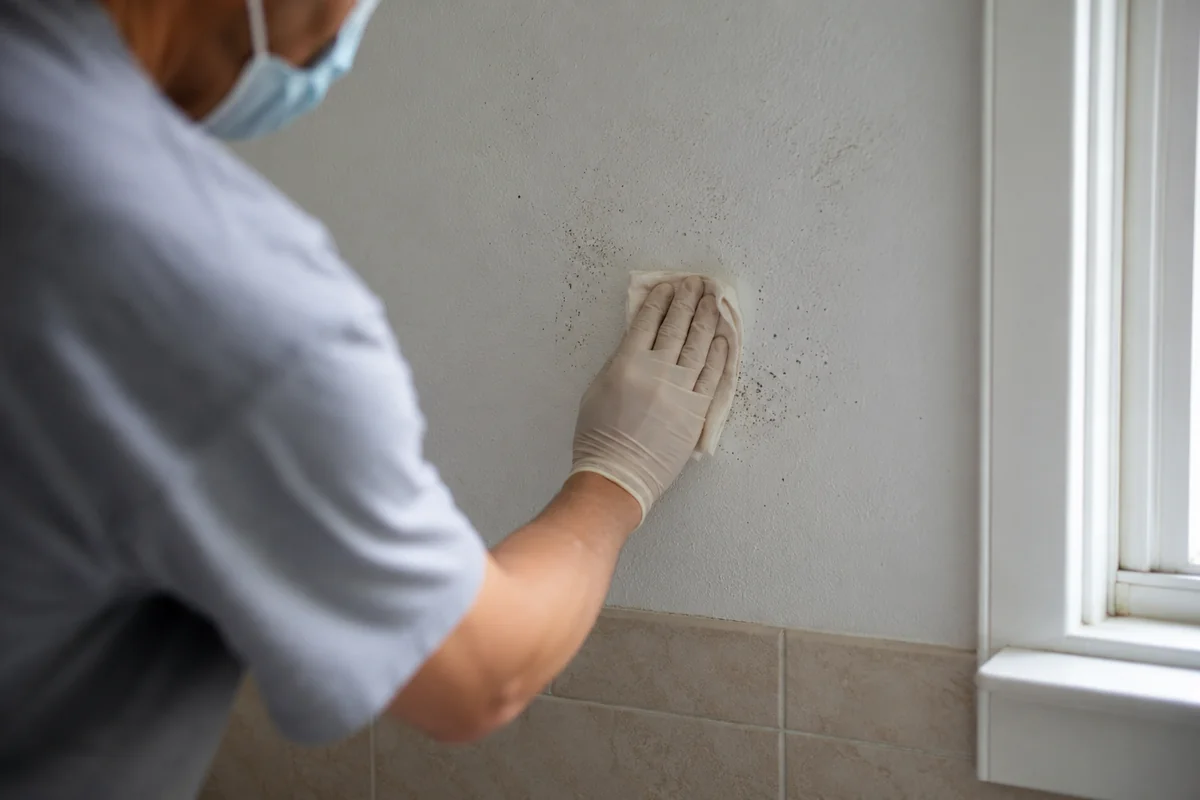
A small patch of surface mold in a dry spot is often a safe do-it-yourself job. Larger areas, hidden growth, and contaminated water are not. Four quick questions give you a clear read on which side of that line you are on, and the reasons behind it.
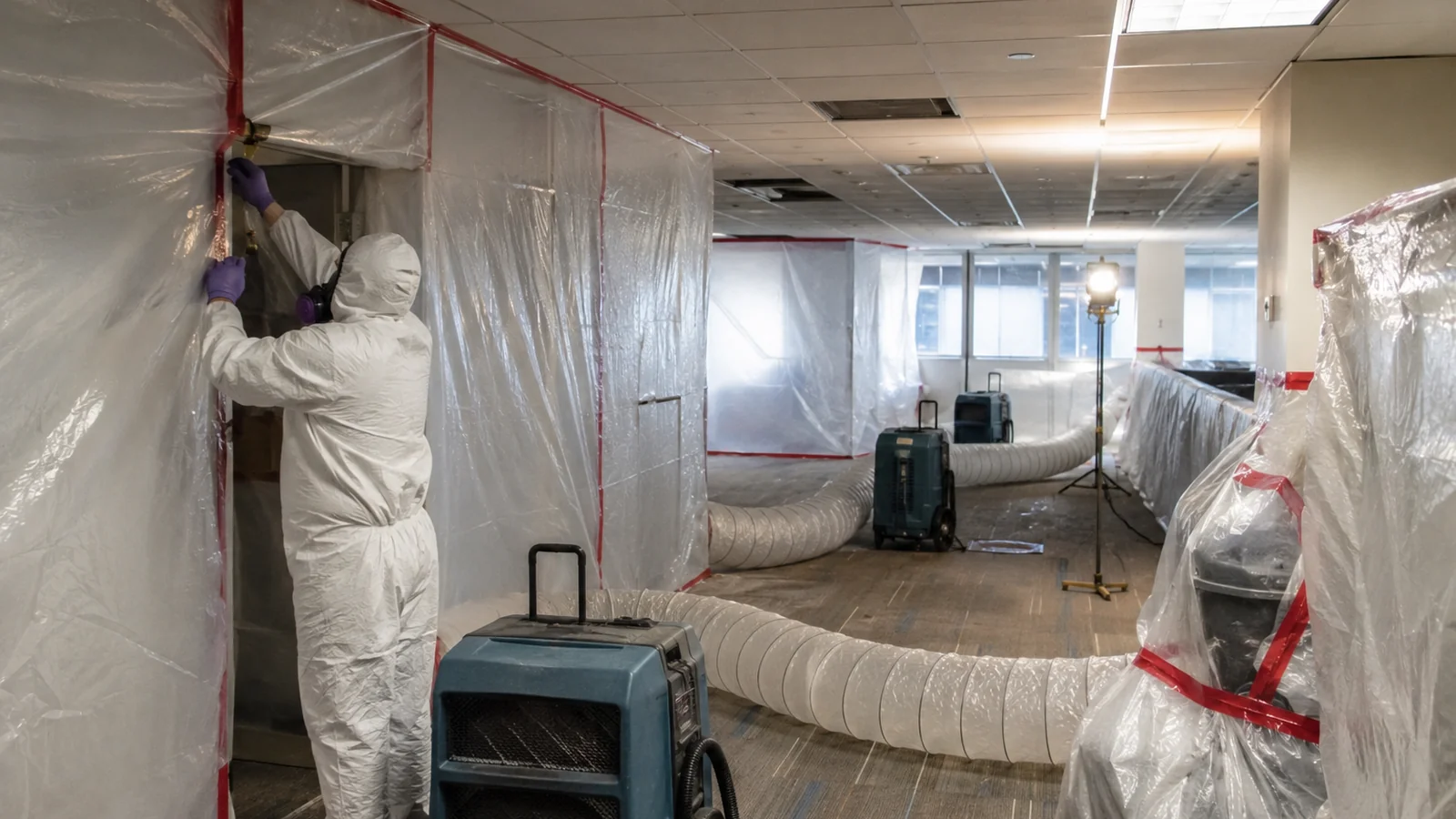
If it turns out to be a pro job, you will see what a licensed remediation contractor actually does and roughly what it costs, so none of the process catches you off guard.
- A plain DIY-or-pro verdict, with the why spelled out
- A realistic cost range for professional mold removal and remediation
- Safe step-by-step cleaning when it is a job you can handle
More Mold removal cost estimatorHow remediation worksSafe cleaning steps
Find help
Find a licensed local mold removal pro
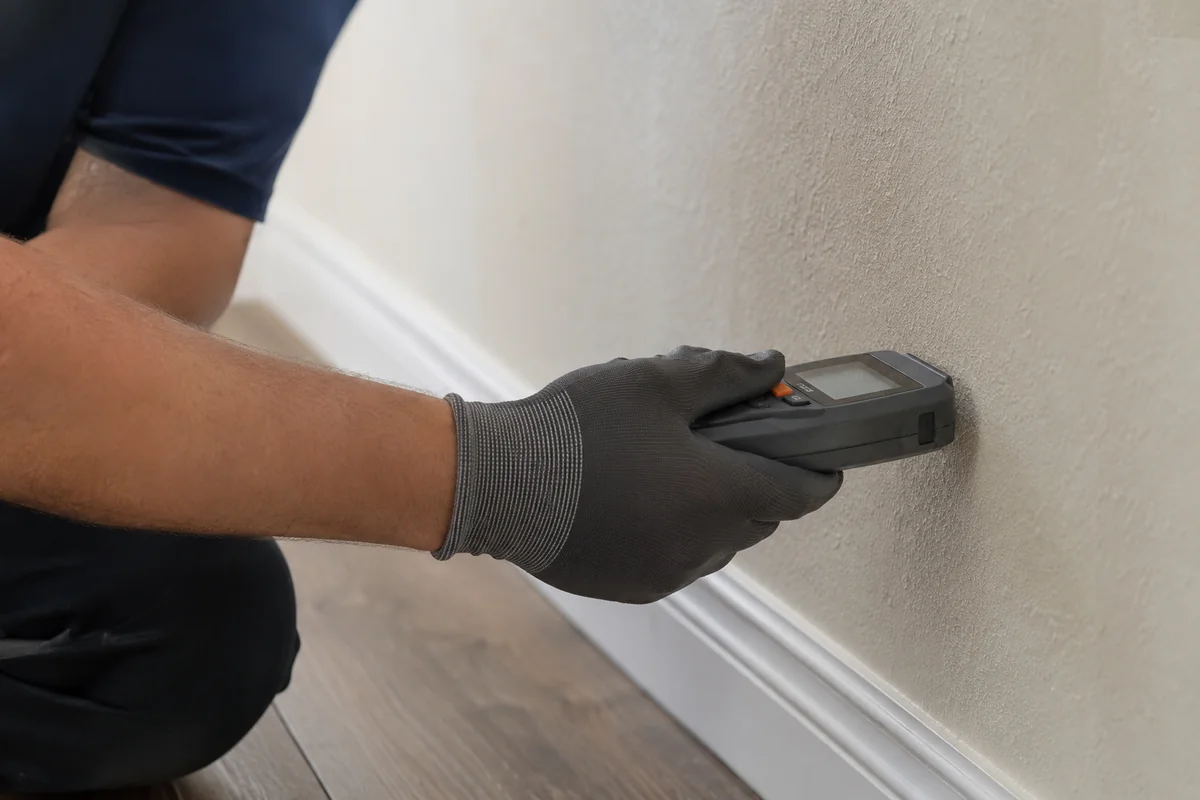
When it is time to bring someone in, the hard part is knowing who to trust. The find-a-pro guide covers the licenses and certifications worth checking, the questions that separate a real remediation contractor from a fast upsell, and the red flags worth walking away from.
When you are ready, it connects you with a vetted local pro from our network, so you are not starting a cold search during an already stressful week.
- What mold licenses and certifications actually mean
- The questions to ask before you sign anything
- How independent testing keeps a contractor honest
Mold problems are local
See the climate risk, the common causes, and the health and building offices to call for your own state and city.
Start reading
Straight-talking mold guides
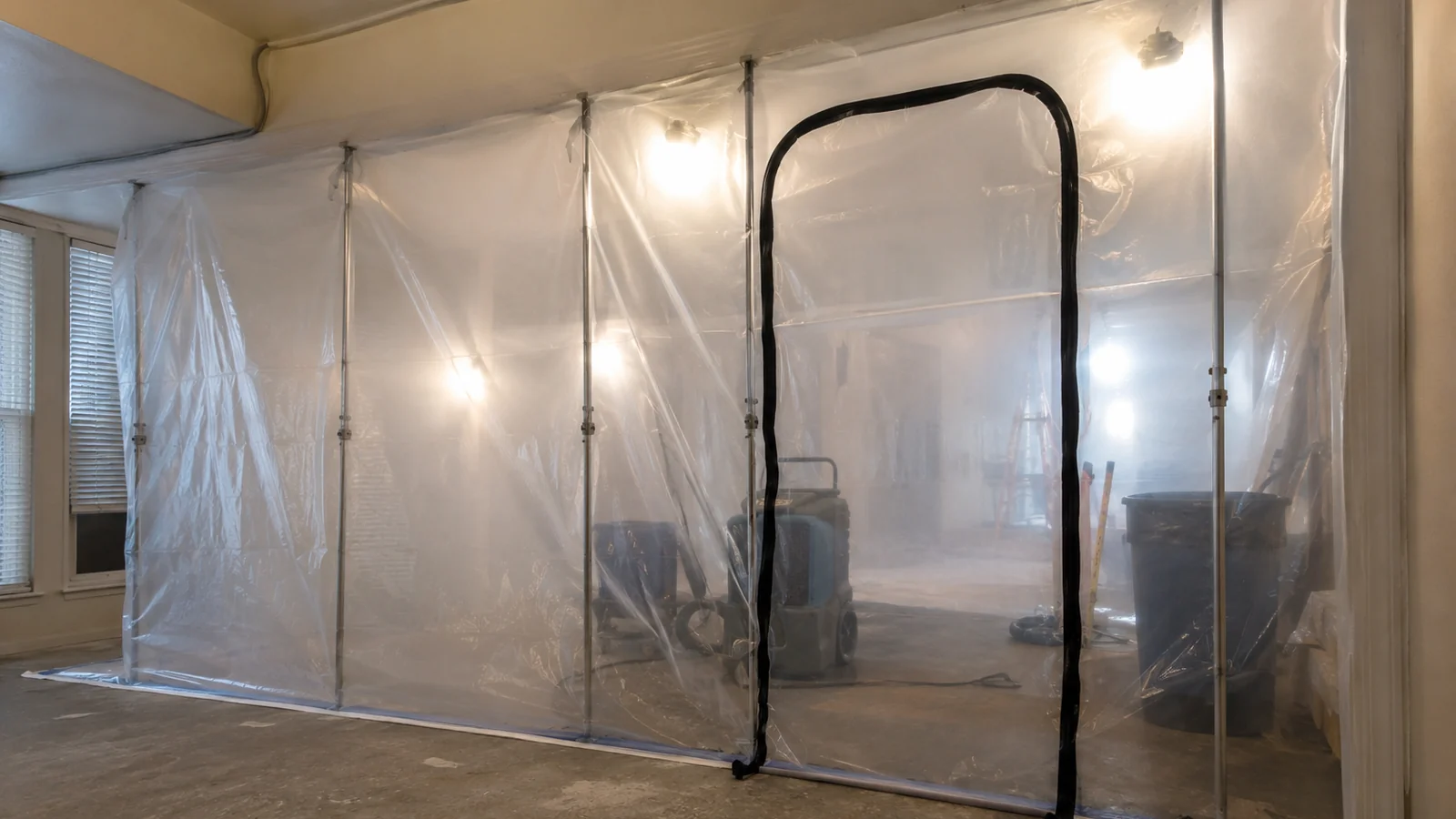
Mold in a building you manage?
Follow a documented response that protects you, from the first tenant complaint through clearance testing.