Residential
Mold in a Crawlspace: Causes, Signs, and Fixes
What feeds crawlspace mold, how it reaches the air upstairs, and how to weigh ventilation, encapsulation, and calling a pro.
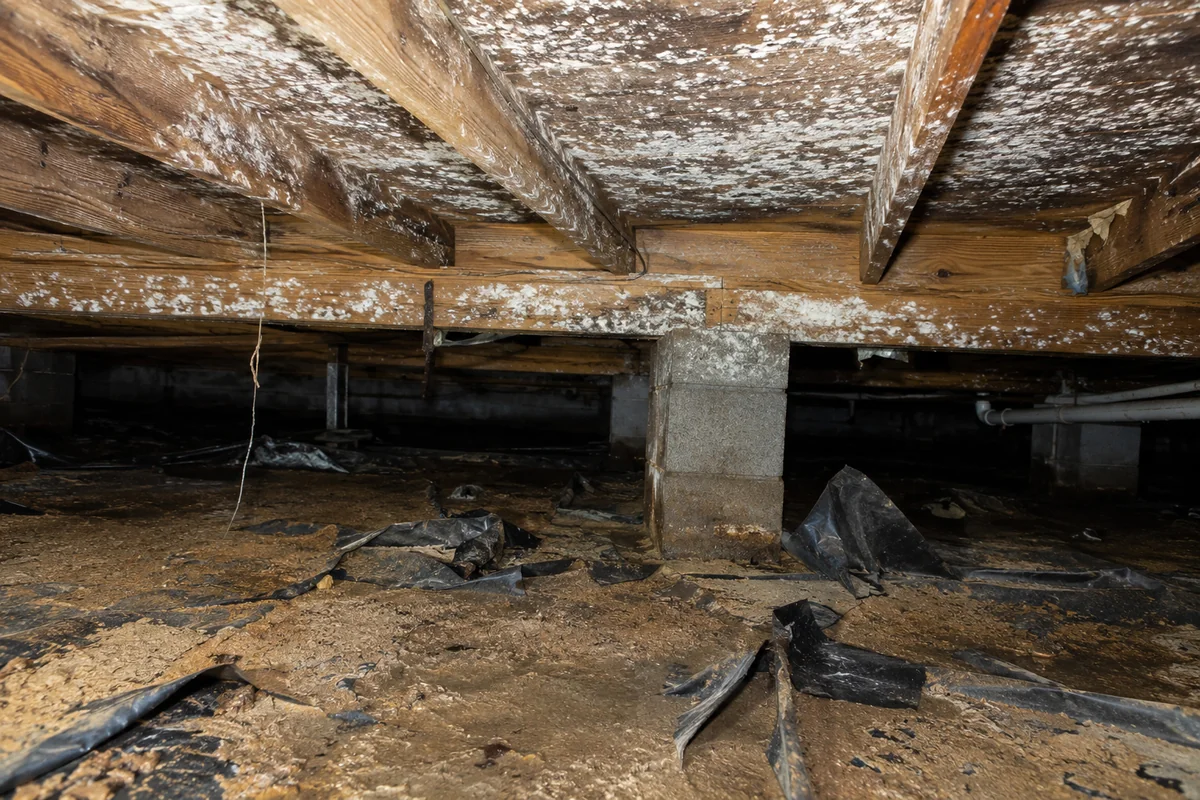
Mold in a crawlspace is easy to ignore because almost nobody goes down there, yet that dark, damp gap under your floor can quietly affect the whole house above it. Crawlspaces trap ground moisture, catch plumbing drips, and stay poorly ventilated, which is a recipe for mold on the wood that holds your home up. This guide covers what feeds crawlspace mold, how to spot it, the vapor barrier and encapsulation debate, and roughly what fixing it costs.
Where the moisture comes from
Crawlspace mold is a moisture story, and the water usually arrives from a few directions at once. Bare soil releases moisture upward around the clock, poor grading and drainage let rainwater pool under the house, and plumbing lines running through the space can leak unnoticed for a long time. Humid outdoor air drawn through open vents can also condense on cool surfaces underneath.
- Ground moisture evaporating up from bare or exposed soil
- Poor exterior drainage and grading that channels rain toward the foundation
- Plumbing or drain leaks in lines that run through the crawlspace
- Humid air entering through vents and condensing on cold surfaces
- Groundwater seeping in after heavy rain or snowmelt
Signs of mold in a crawlspace
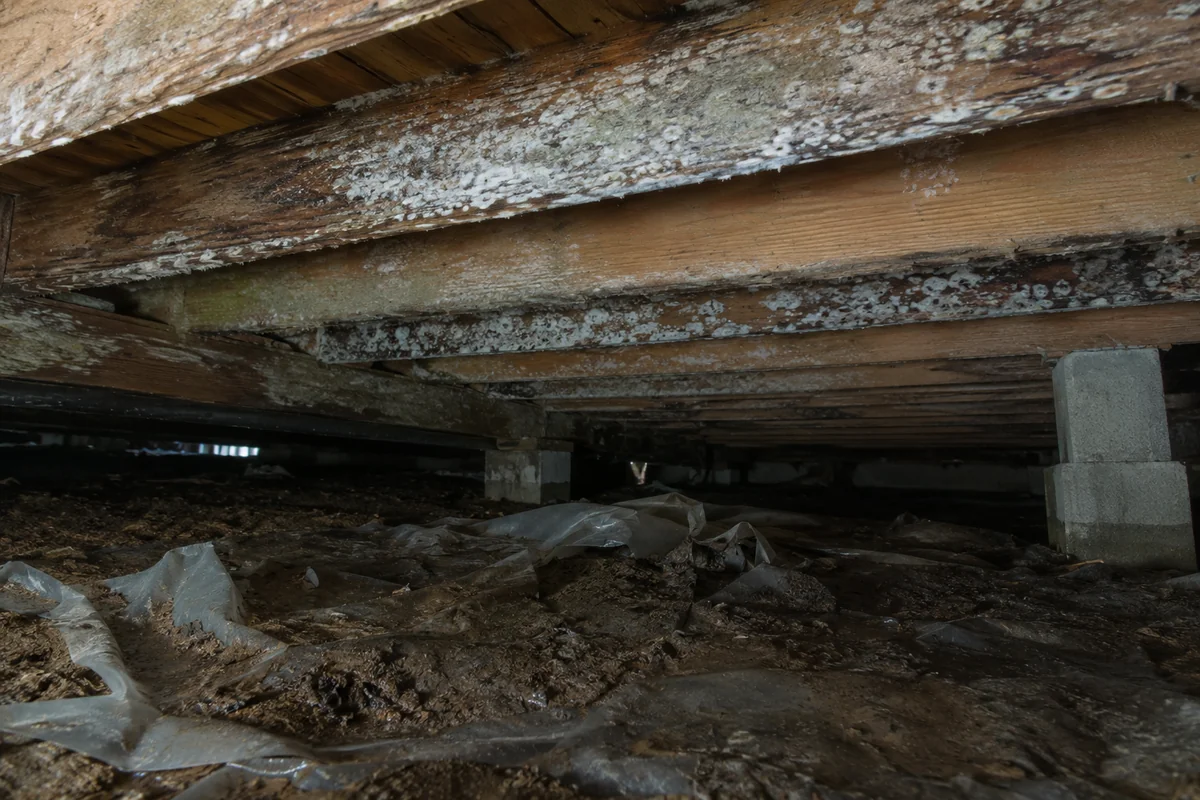
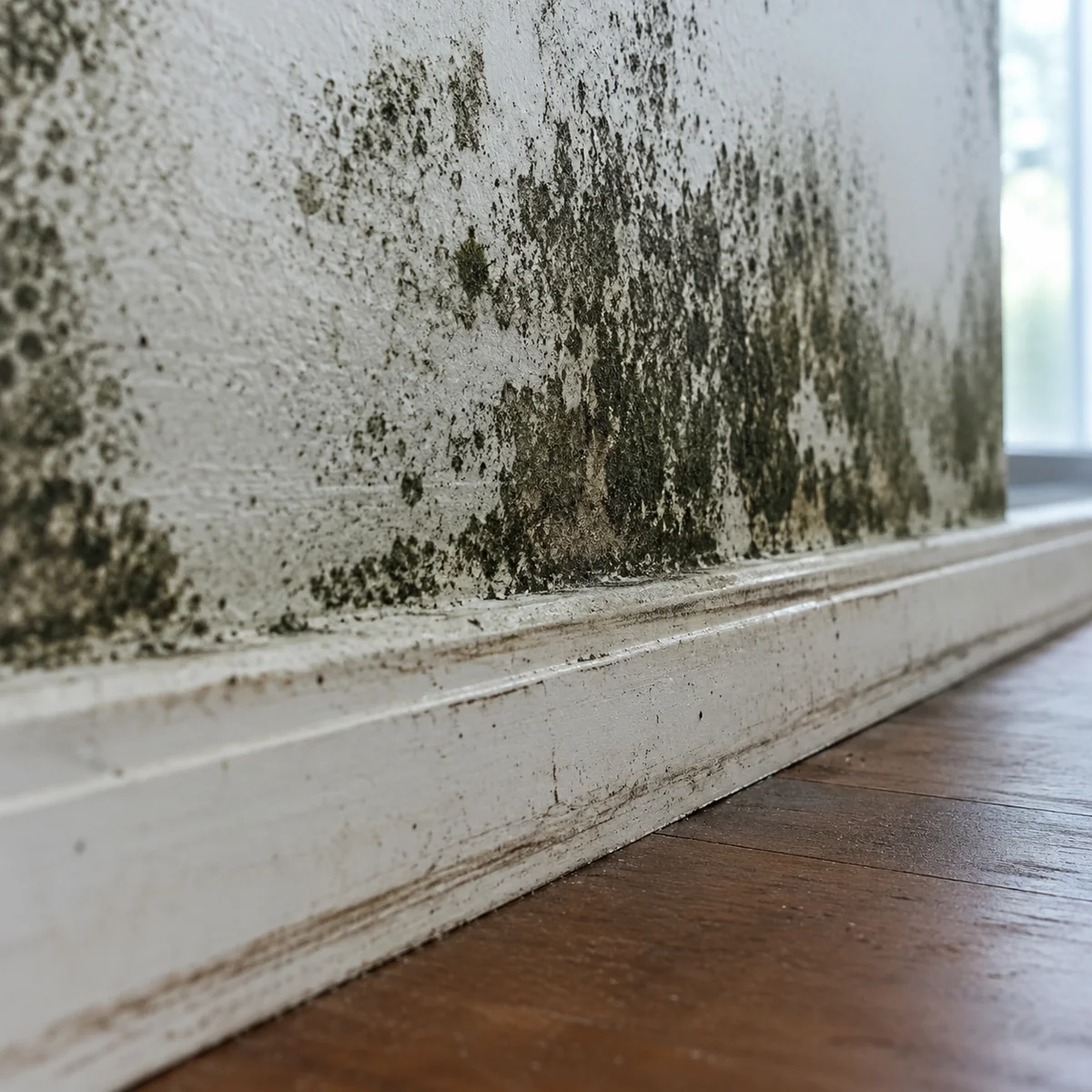
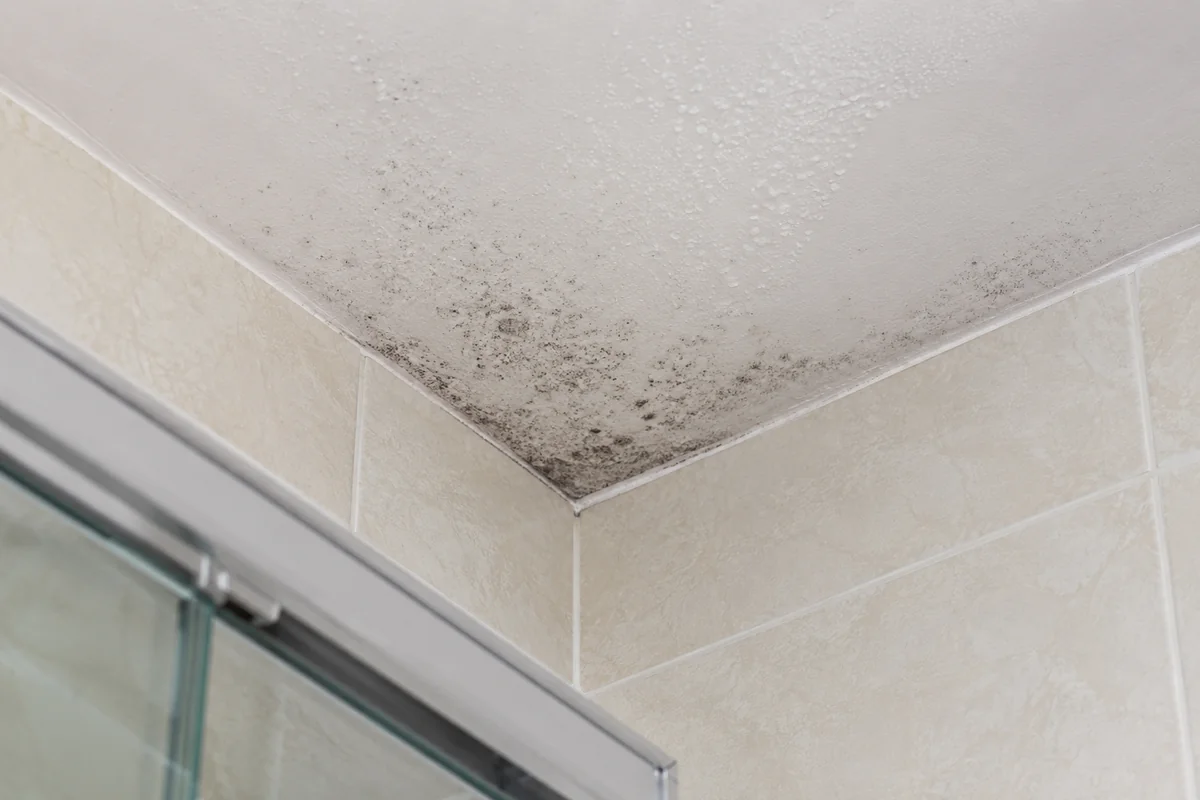
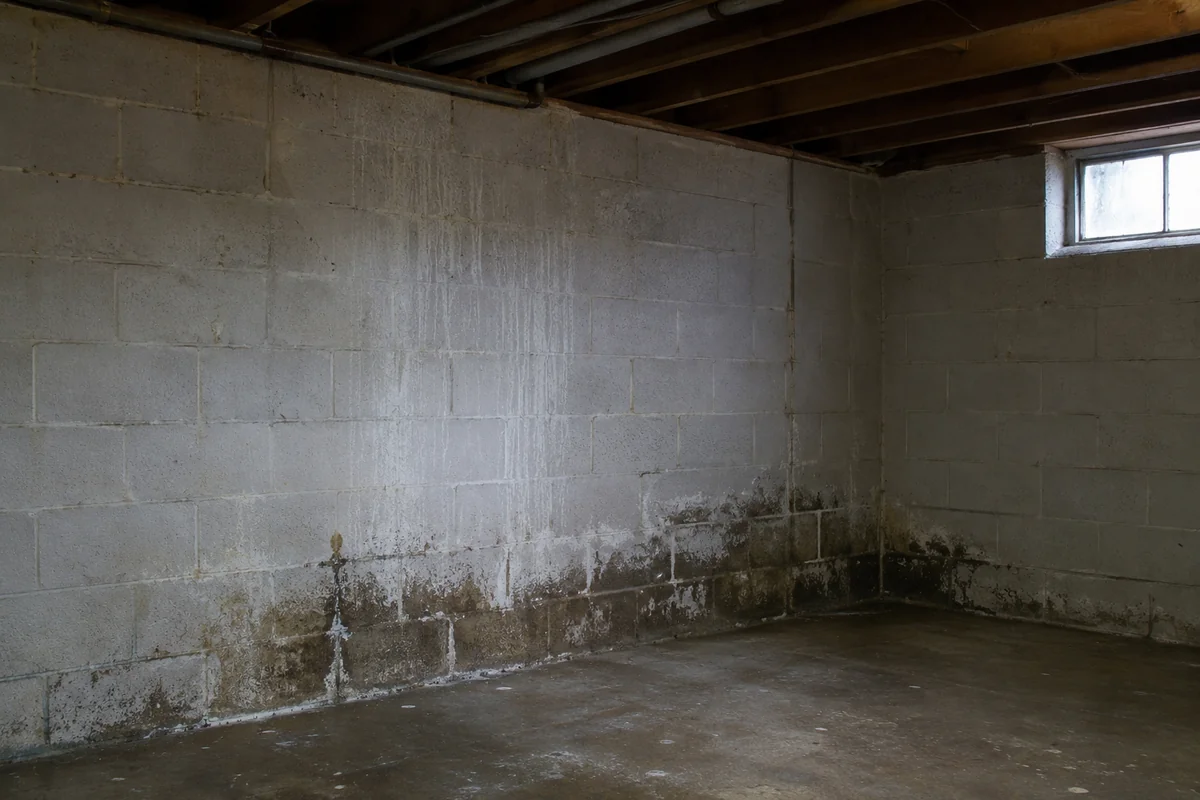
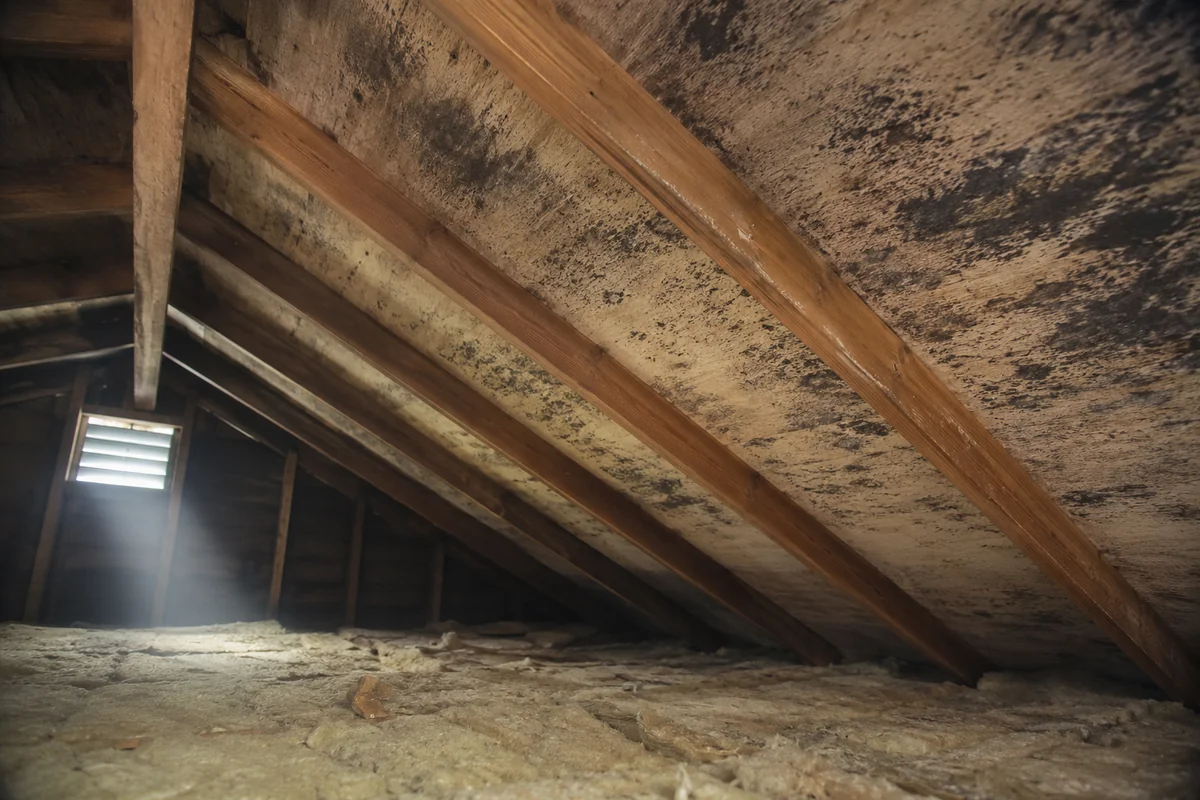
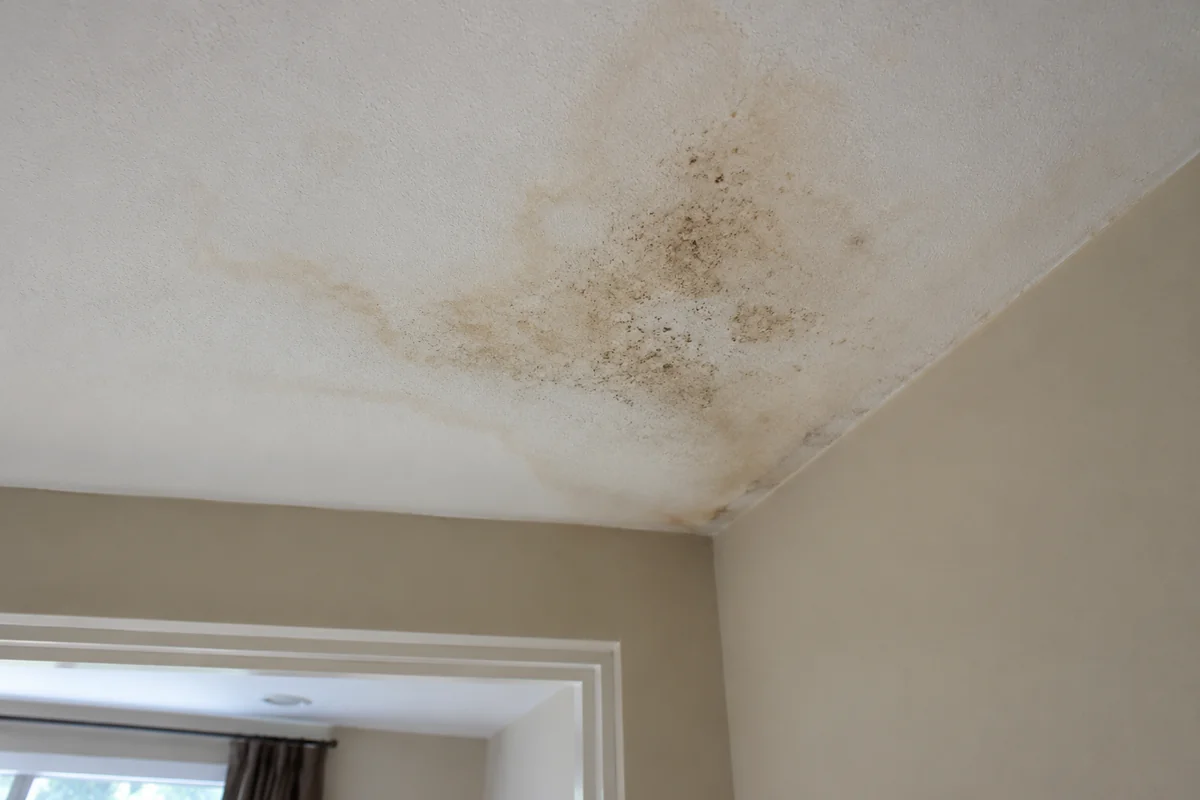
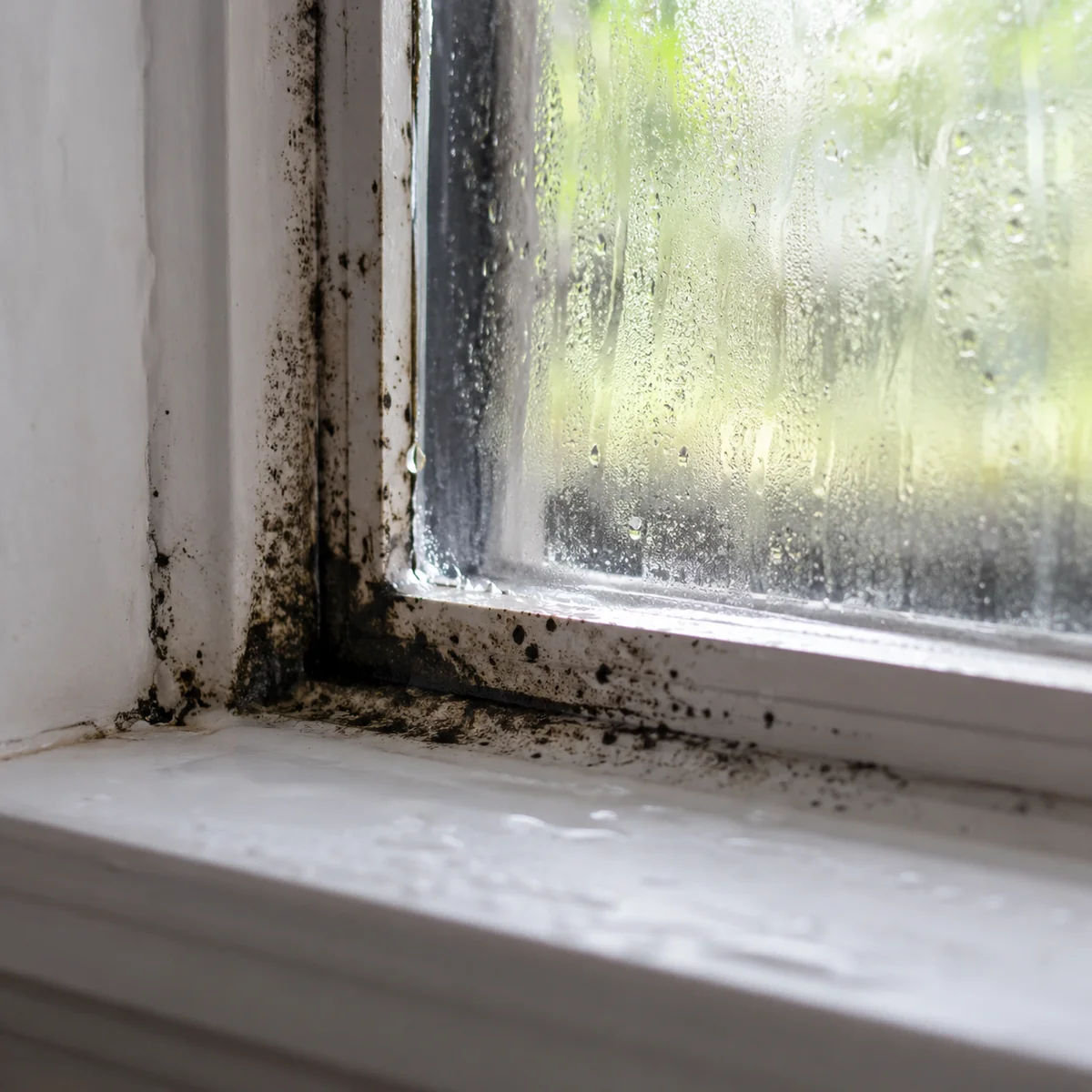
You often notice the effects upstairs before you see the mold itself. A musty smell in the lowest level of the home, floors that feel cool or damp, cupping hardwood, or higher indoor humidity can all trace back to the crawlspace. When you do go down with a flashlight, look for white, gray, green, or black growth on the wood and for damp or missing ground cover. If you are unsure whether what you see is mold, our is this mold? guide helps you read the signs.
The vapor barrier and its role
A vapor barrier is a heavy plastic sheet laid over the crawlspace floor to block ground moisture from rising into the space. It is one of the most effective and affordable defenses against crawlspace mold. Many older homes either have no barrier or have one that is torn, thin, or poorly overlapped. A properly installed barrier that covers the soil fully and runs partway up the walls can dramatically cut the moisture load underneath the house.
Mold on floor joists and subfloor
The wooden floor joists and the underside of the subfloor are where crawlspace mold shows up most, because they are porous and sit right in the damp air. Surface mold on structural wood can often be cleaned and the wood saved once the moisture is controlled. But if the wood is soft, spongy, darkened through, or crumbling, you may be looking at rot and weakened structure, not just surface mold. That is a point to stop the do-it-yourself approach and bring in a professional.
Ventilation versus encapsulation
There are two broad approaches to keeping a crawlspace dry, and the right one depends on your climate and home. The older approach relies on vents in the crawlspace walls to let air move through, on the theory that airflow carries moisture out. In humid climates, though, those vents can pull damp outdoor air in and make condensation worse.
Encapsulation takes the opposite path: seal the vents, cover the floor and walls with a heavy liner, and often add a dehumidifier so the space stays sealed and dry. It costs more up front but tends to control moisture more reliably in damp regions. Which approach fits your home is worth discussing with a pro who can assess your climate and construction. See who to call about mold for sorting out the right trade.
When structural involvement means calling a pro
Structure is not a DIY call
If floor joists or the subfloor are soft, sagging, or rotted, the issue has moved from mold cleanup to structural repair. Do not try to clean or brace it yourself. Have a professional evaluate the framing before anyone works or stores weight above it.
Beyond structural damage, call a certified remediation contractor when the affected area is large, when standing water keeps returning, or when you have breathing sensitivities that make crawling into a moldy space a bad idea. Our do I need a pro? guide lays out the deciding factors, and you can reach vetted help through find a licensed local pro.
Cost ballparks
Costs vary widely by region, crawlspace size, and how much moisture control the space needs. Cleaning a small area of surface mold and adding a basic vapor barrier can run a few hundred to a couple thousand dollars. Full encapsulation with a sealed liner and dehumidifier commonly ranges from roughly $5,000 to $15,000 or more, and structural repairs add to that. For a rough figure tailored to your situation, try our mold removal cost estimator.
Frequently asked questions
What are signs of crawlspace mold?+
Common signs include a musty smell on the lowest floor of the home, higher indoor humidity, cool or damp-feeling floors, and cupping hardwood. Going down with a flashlight, you may see white, gray, green, or black growth on the joists and subfloor, along with damp or missing ground cover over the soil.
Does crawlspace mold affect the air upstairs?+
It can. In many homes air moves upward from the crawlspace into living areas through a pattern called the stack effect, so moisture and odors from below often reach the rooms above. That is why a musty smell upstairs sometimes traces to the crawlspace, and why controlling moisture down there matters for the whole house.
Is encapsulation worth it?+
In humid climates, encapsulation often controls moisture more reliably than traditional venting, which can draw damp air in. It costs more up front but can prevent recurring mold and protect the structure over time. Whether it pays off depends on your climate, crawlspace condition, and moisture sources, so it is worth a professional assessment.
Can I remove crawlspace mold myself?+
You can handle a small patch of surface mold on hard wood if the area is under about 10 square feet, the structure is sound, and you wear proper protection in a tight, dusty space. Once you see soft or rotted wood, standing water, or a large area, it is a job for a professional with the right equipment and containment.
What mold looks like
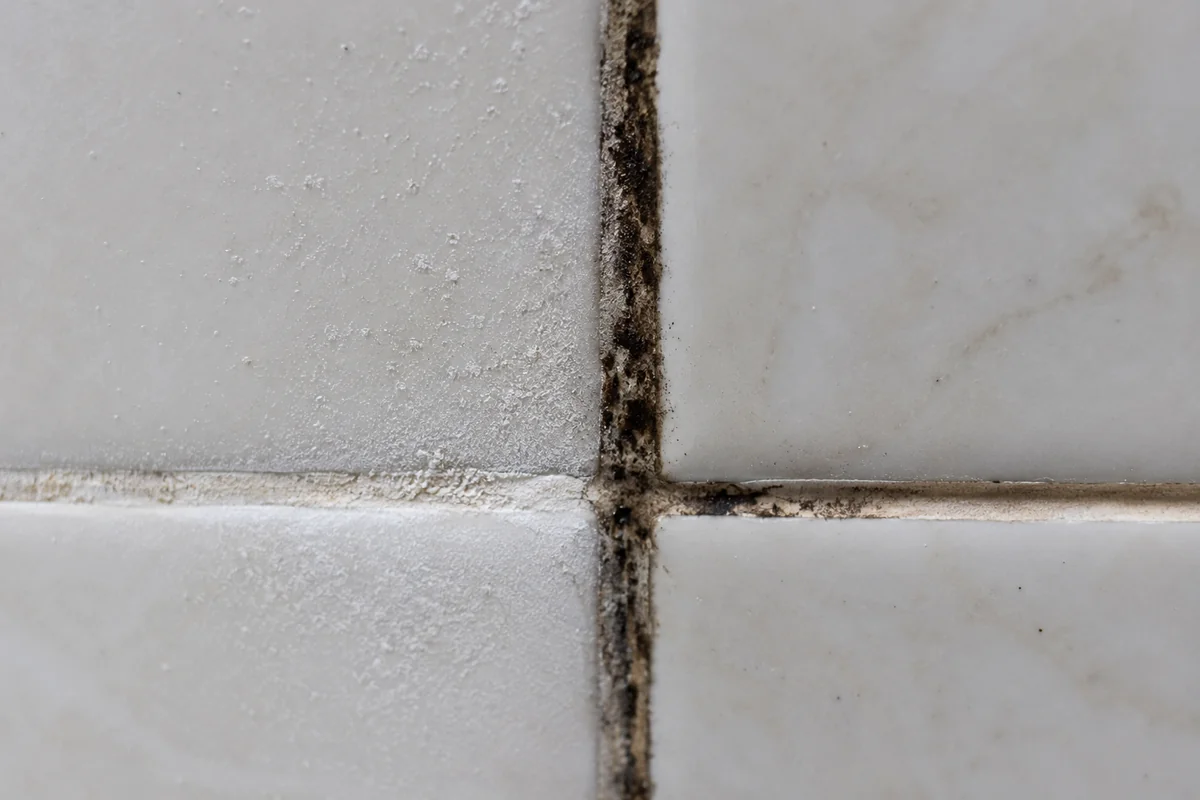
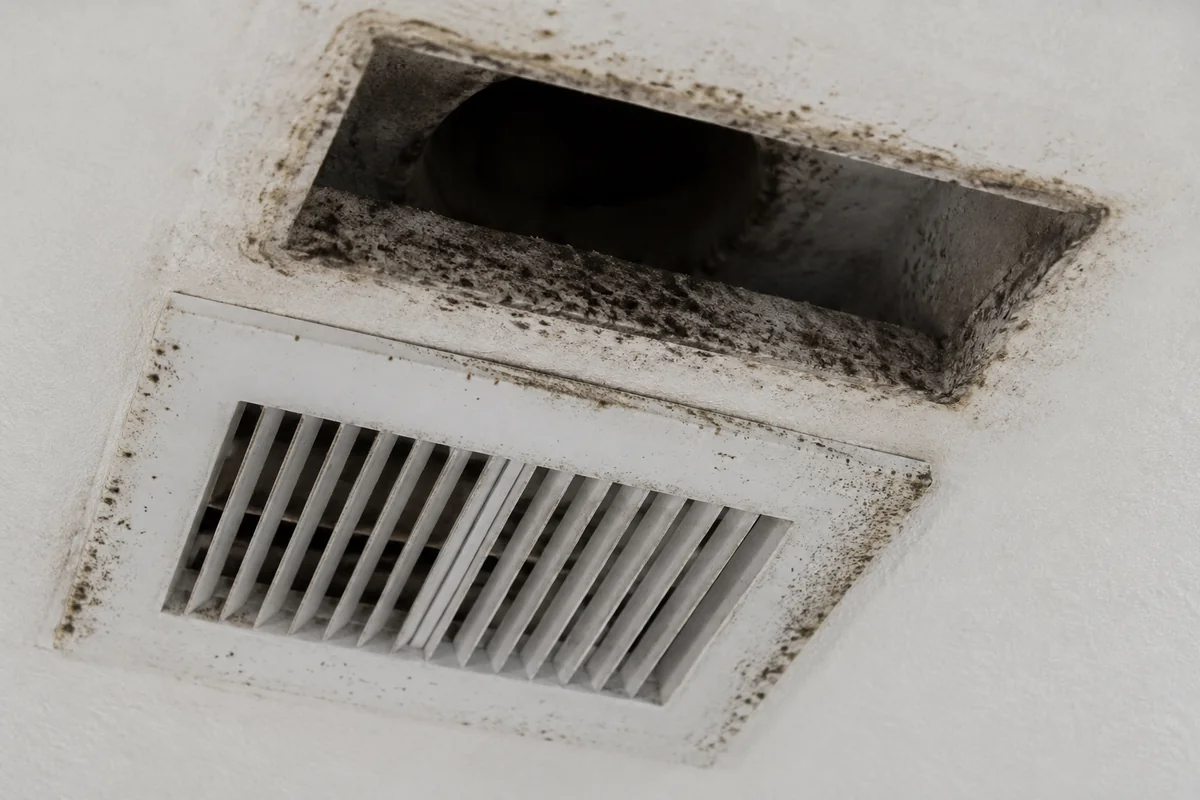
Not sure what you are dealing with?
A quick guided check tells you what you are looking at and the right next step.
A crawlspace is out of sight, but the moisture and mold in it reach the rooms you live in every day. Find the water source, protect the soil with a vapor barrier, weigh venting against encapsulation for your climate, and watch the structural wood closely. When the framing is involved or the moisture will not quit, a licensed local pro is the safe way to deal with mold in a crawlspace.
Not sure if it is even mold?
A quick guided check tells you what you are looking at and what to do next.