Residential
Can You Break a Lease Because of Mold?
A careful, honest look at when leaving a moldy rental early may be an option, and why legal guidance should come before any decision.
The question of whether you can break a lease because of mold comes up often, and the honest answer is that it depends heavily on your state, your documentation, and the steps you take first. There are legal concepts that can apply, like habitability and constructive eviction, but they are narrow, and leaving improperly can leave you owing rent. This guide explains the ideas at a high level and, more than anything, urges you to get legal guidance before you act.
General guidance, not legal advice
This is general information, not legal advice, and it cannot tell you what will happen in your case. Breaking a lease is a serious step with financial and legal consequences that differ by state. Before you give notice or move out, talk to a tenant-rights organization, legal aid, or an attorney about your specific situation.
The idea of habitability
Many states recognize what is often called an implied warranty of habitability, a general expectation that a rental is safe and livable. A serious, unaddressed moisture problem can be part of a habitability question in some cases. But the standard, what counts, and how it is proven all vary by state, so this is a starting concept rather than a rule you can rely on. Check your state's rules and get advice on how it is actually applied where you live.
What constructive eviction means
Constructive eviction is a legal theory that, in some states, allows a tenant to treat a lease as ended when a condition is serious enough that the unit becomes effectively unlivable and the landlord fails to fix it after notice. It is a high bar, it usually requires that you gave notice and a chance to repair, and it often requires that you actually move out. Whether it applies is a legal judgment, not something to assume on your own.
When breaking a lease may be an option
Breaking a lease early may be an option when a serious problem is documented, you have given proper notice, and your landlord has failed to act, and even then the specifics depend on your state. Some leases and some state laws also spell out their own early-termination paths. Because the conditions are narrow, this is a decision to make with an advocate, not alone. Before you get anywhere near this point, it usually helps to have exhausted the earlier steps in our guide on what to do when a landlord won't fix mold.
Give notice and a chance to fix first
Across most states, the expected pattern is that you report the problem in writing, give a reasonable time to fix it, and keep records of both. Skipping these steps can undercut any claim later. If you have not sent formal notice yet, start with our guide on how to report mold to your landlord. Following the process carefully matters as much as the underlying problem does.
The risk of still owing rent
This is the caution to take most seriously. If you move out without meeting the requirements your state sets, you may still owe rent for the remainder of the lease, and you could face collection or a claim. Simply having mold present does not automatically end your obligations. The gap between what feels justified and what a court would accept is exactly why legal guidance matters before you leave.
Why documentation is central
If you ever need to explain why you left, your record is your case. Dated photos, copies of every notice, inspection findings, and a clear timeline all matter. Our document mold in a rental guide walks through building that file, and if you want an independent assessment of the problem, do I need a pro? and find a licensed local pro can help. When you are ready for advice, our who to call about mold page points toward the right offices and organizations.
Frequently asked questions
Can I break my lease over mold?+
Sometimes, but only under specific conditions that vary by state, and usually only after you have given notice and a chance to repair. It is not automatic. Because the requirements are narrow and the risks are real, talk to a tenant-rights organization or legal aid before deciding.
Will I still owe rent if I leave?+
You might. If you move out without meeting your state's requirements, you may still owe rent for the rest of the lease and could face a claim. The presence of mold alone does not end your obligations. This is the main reason to get legal advice before leaving.
What is constructive eviction?+
It is a legal theory that, in some states, lets a tenant treat a lease as ended when a condition makes the unit effectively unlivable and the landlord fails to fix it after notice. It is a high bar and usually requires that you gave notice and moved out. Whether it applies is a legal judgment.
What proof do I need?+
Generally the strongest file includes dated photos, copies of every written notice and response, any inspection reports, and a clear timeline. Good documentation supports any path you take. Our document mold in a rental guide shows how to build it.
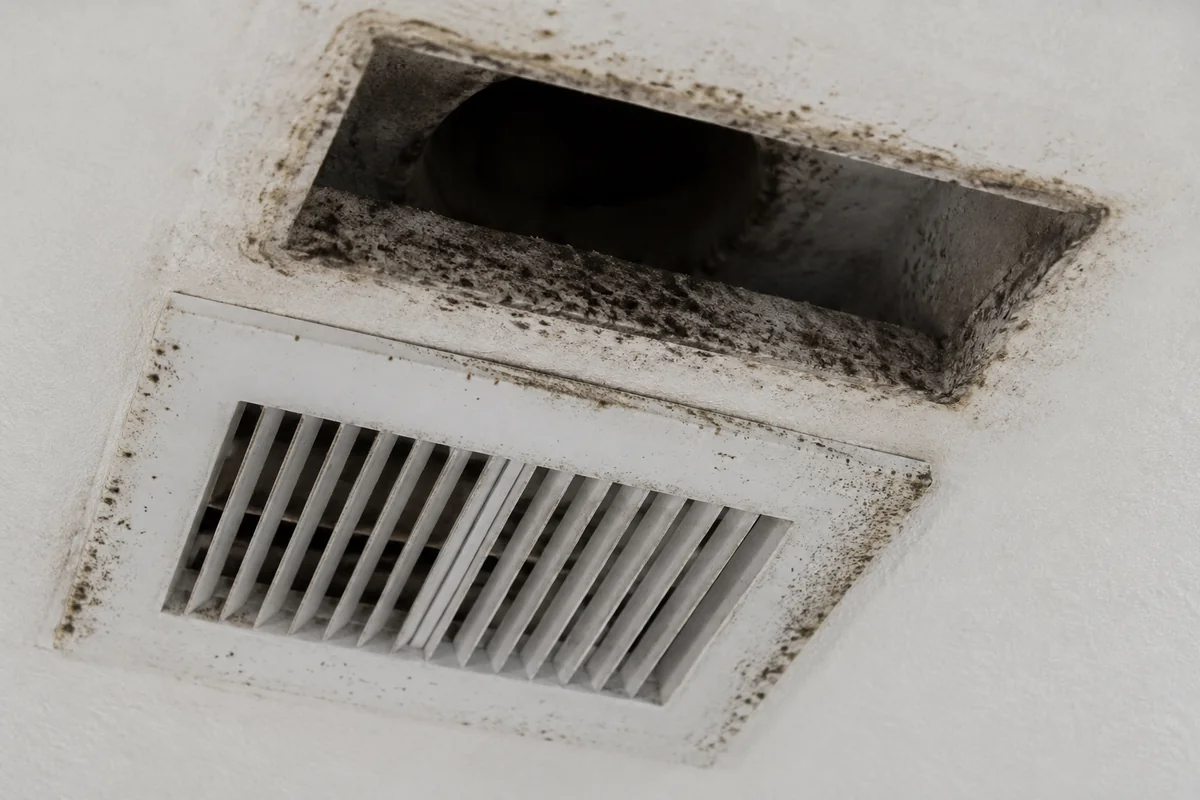
What mold looks like
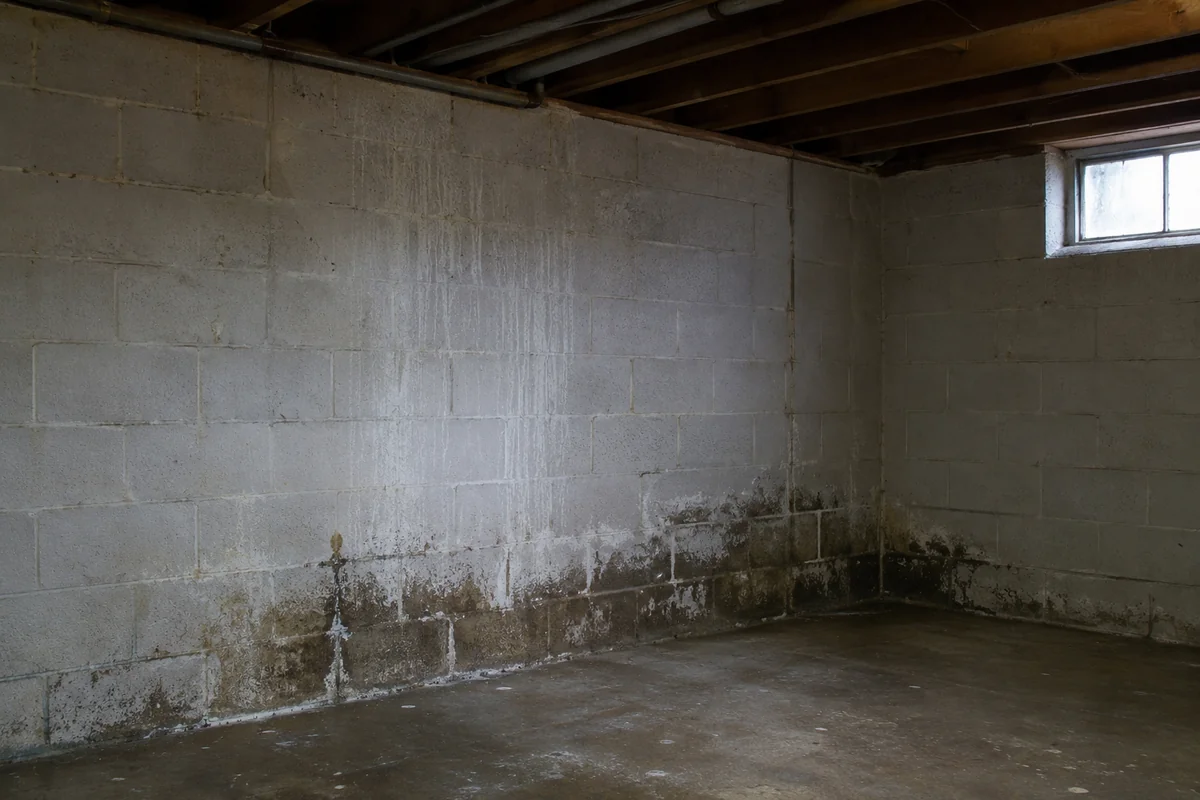
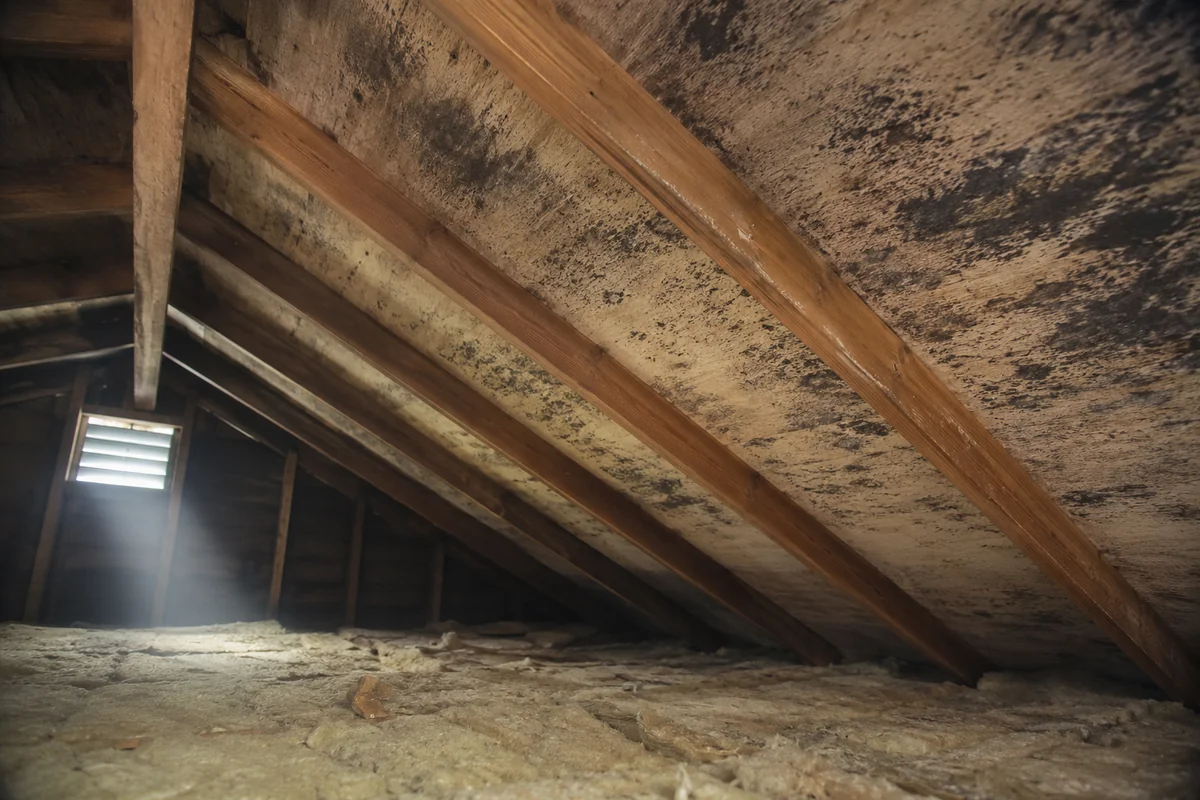
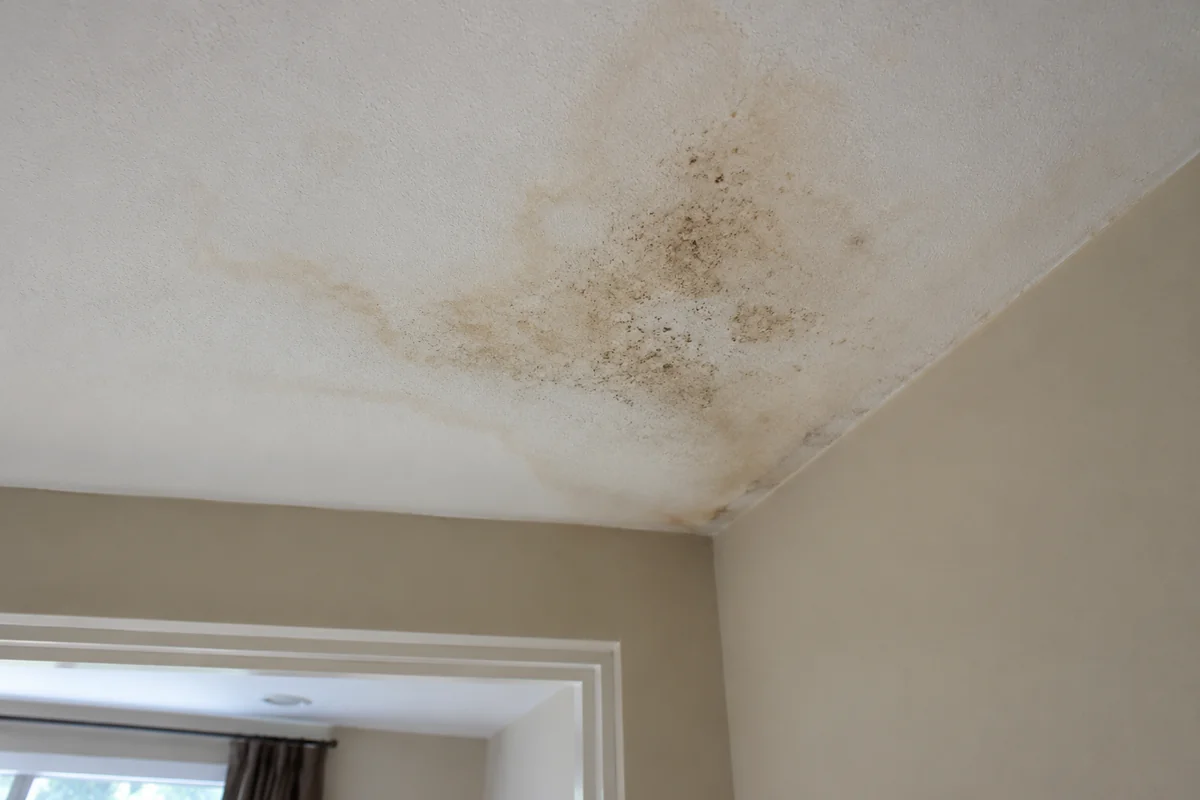
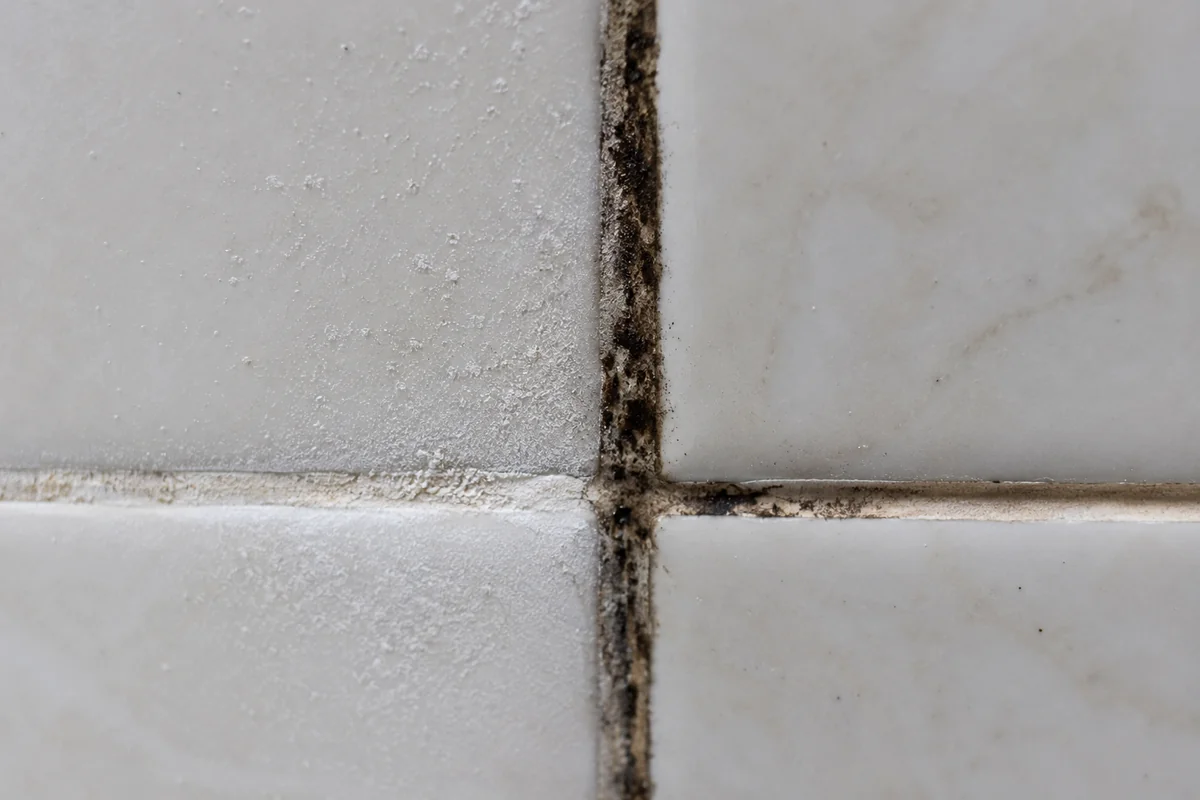
Put it in writing
A dated notice is the fastest way to get a stalled landlord moving. Know your rights and generate yours in minutes.
Leaving a rental early is one of the biggest decisions a tenant can make, and it deserves careful, informed handling rather than a reaction in the moment. Follow the notice process, keep a strong record, and get advice from a tenant-rights organization or legal aid first. If you are weighing whether to break a lease because of mold, let real guidance and solid documentation lead the way.
Not sure if it is even mold?
A quick guided check tells you what you are looking at and what to do next.