Commercial
Mold in Schools and Public Buildings
Higher scrutiny, more stakeholders, and clearance standards that are not optional.
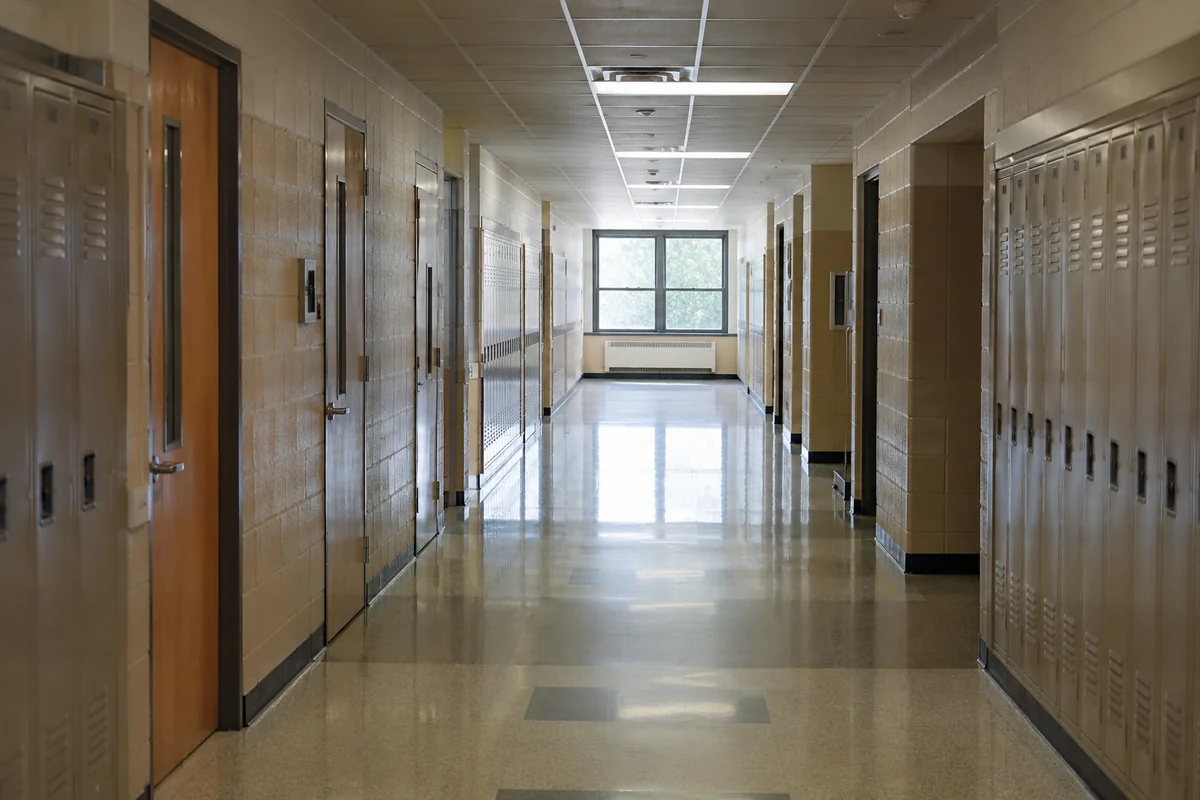
Mold in schools and public buildings is not just a maintenance issue, it is a public trust issue. The building serves children, staff, and the wider community, the records are open to scrutiny, and the people most affected are often the least able to tolerate poor air. That combination means the response has to be more careful, more documented, and more transparent than it would be in a private office.
Why public buildings draw extra scrutiny
A mold problem in a school, library, courthouse, or municipal office plays out in front of an audience. Parents, teachers, unions, elected officials, and local reporters all have a stake, and public bodies are usually subject to open-records laws, so the emails, inspection reports, and invoices can be requested and read later. What might be handled quietly in a private building becomes a matter of record here.
That is not a reason for anxiety, it is a reason for discipline. Administrators who document each step, communicate honestly, and follow a defensible process tend to come through a mold event with their credibility intact. The ones who downplay it or move slowly are the ones who end up in the headlines. The scrutiny rewards doing things properly.
Why children and the public are more sensitive
Schools concentrate the people most likely to react to mold. Children breathe more air relative to their body size than adults, their airways are still developing, and rates of asthma are high enough that most classrooms include a few students who are sensitive to airborne irritants. Add the staff who spend their whole workday in the building and the picture is a population with real exposure over long hours.
Public buildings serve a similarly broad mix, including older adults and people with health conditions who may be more affected than a typical office worker. Because the range of sensitivity is so wide, the safe assumption is that some occupants will react to a level of mold that others would not notice. For a plain-language look at how mold affects people, the guide to mold exposure symptoms is a useful reference to share.

Where mold tends to show up in schools and public buildings
Large public buildings have a predictable set of trouble spots, most of them tied to water and to systems that run hard for decades:
- Rooftop and packaged HVAC units, and the ductwork that carries their air across the building
- Portable and modular classrooms, which are prone to roof and floor moisture
- Flat and low-slope roofs that pond water and leak at seams
- Locker rooms, pools, kitchens, and other high-humidity areas
- Basements, crawl spaces, and ground-floor rooms below grade
- Older wings built before modern moisture detailing, where wall cavities stay damp
Because so much of the risk runs through the mechanical system, a single damp spot in an air handler can spread spores far beyond the room where the leak started. That is part of why HVAC-related mold is treated seriously in public buildings, and why assessment usually looks at the whole system, not just the visible patch.
The first response when mold is reported
The worst response to a mold report in a public building is to wait and see. A calm, prompt, documented process protects both the occupants and the institution:
- 1 Log the report with the date, the location, who raised it, and what was described.
- 2 Acknowledge it to the person who reported it, and let them know it is being looked into.
- 3 Have facilities inspect and photograph the area, and note any obvious water source.
- 4 Restrict access to the affected space if the growth is significant or the source is unclear.
- 5 Bring in an independent assessment for anything beyond a small, clearly contained spot.
- 6 Keep every report, photo, message, and invoice together as a single record.
This mirrors the documented path a property manager follows for a tenant complaint, and the tenant complaint response tool walks through the same logic step by step if you want a template to adapt.
Why an independent assessment matters here
In a public building, an assessment carried out by an independent, certified hygienist carries far more weight than an in-house opinion. It separates the people who judge the problem from the people who will fix it, which is exactly the kind of check the public and the press look for. The hygienist defines the extent of the growth, identifies the moisture source, and sets a written scope for the work.
That written scope becomes the yardstick for the contractor and, later, for clearance. It also gives administrators something defensible to point to: the decisions were based on a qualified third party, not on guesswork. The overview of how mold remediation works explains where assessment fits in the wider process.
Remediation in a building that stays occupied
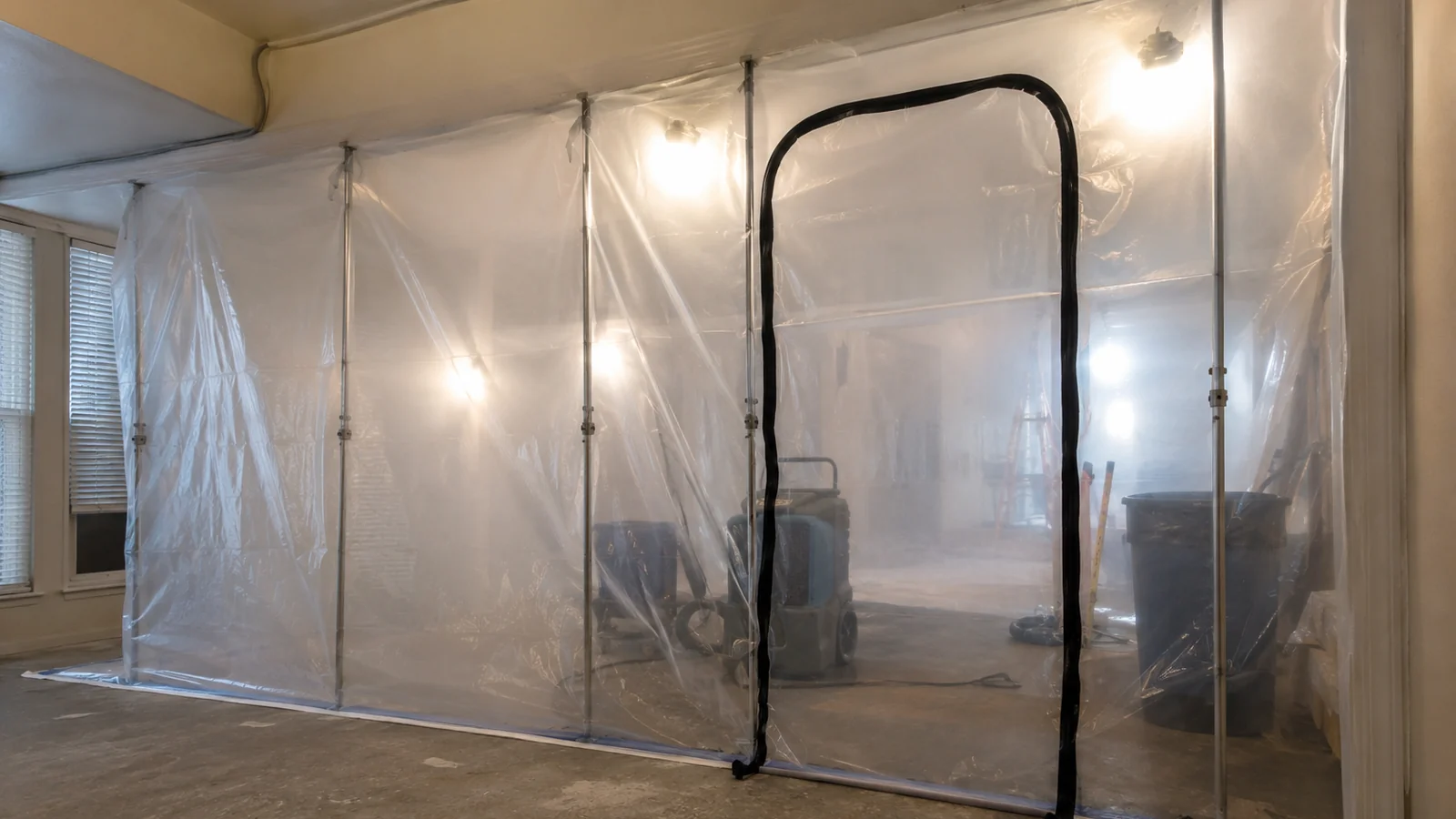
Public buildings rarely have the option of simply closing for a week, so remediation is usually planned around the occupants. A licensed remediation contractor seals off the work area with sheeting and puts it under negative air pressure so spores do not drift into occupied space, and air scrubbers with HEPA filtration run throughout the work.
Scheduling is part of the plan too. Work is often phased into evenings, weekends, or school breaks, and areas are isolated so the rest of the building can keep operating. Contaminated porous materials such as ceiling tile and drywall are removed and bagged rather than cleaned, and the moisture source is corrected so the problem does not simply return. For what to look for when selecting a firm, see choosing a commercial mold contractor.
Clearance standards, which are not optional here
In a private home, a homeowner can decide for themselves when a space feels back to normal. In a public building that judgment is not enough. Independent clearance testing, carried out after the work and before the space is reoccupied, is the standard way to show that the area meets accepted conditions again. It is the difference between saying the problem is handled and being able to prove it.
Clearance is usually performed by the same type of independent hygienist who did the assessment, not by the contractor who did the removal, so the check stays at arm's length. The written clearance result then joins the record for the event, which matters both for reoccupancy and for any later question about how the situation was handled. The commercial remediation process covers this final stage in more detail.
Communicating with parents, staff, and the public
How an institution talks about a mold problem often matters as much as the cleanup itself. Silence reads as a cover-up, and overstatement causes panic, so the aim is steady, factual updates: what was found, what is being done, who is doing it, and when the space is expected to reopen. Sharing the independent assessment and the clearance result, rather than just asserting that everything is fine, builds trust.
It also helps to give people a way to raise concerns and to route those concerns to a named contact. A community that feels informed and heard is far less likely to escalate a manageable problem into a public dispute.
Liability and recordkeeping for administrators
For the administrators and facilities teams responsible, the record is the protection. A clear file showing that a report was logged, assessed by an independent professional, remediated by a licensed contractor, and cleared before reoccupancy is the strongest answer to any later question, whether from a parent, an insurer, or a regulator. Coverage often turns on the cause of the underlying water problem, which the guide to commercial mold insurance explains.
The theme running through all of it is the same: in a public building, doing the work well and being able to show that you did are two halves of the same job.
Mold in schools and public buildings
Is mold in a school dangerous to children?+
It can affect them, mainly as an allergic or irritant reaction, and children tend to be more sensitive than adults because their airways are still developing. The amount, the location, and how long they are exposed matter more than the color of the growth.
Do schools and public buildings have to test for mold?+
Requirements vary by state and by the type of building, and there is no single national mold standard. In practice, independent assessment and clearance testing are the accepted way to make and document decisions in public buildings, even where a specific law does not spell it out.
Can a school stay open during remediation?+
Often yes, when the work area is properly contained and put under negative pressure, and when the work is scheduled into evenings, weekends, or breaks. The decision depends on the size and location of the problem and is best made with the hygienist and contractor.
Who is responsible for mold in a public building?+
Responsibility usually sits with the institution that owns or operates the building, working through its facilities team, an independent hygienist, and a licensed remediation contractor. The site connects public bodies with licensed local professionals rather than performing the work.
What clearance standard applies before reoccupancy?+
There is no universal number, but independent clearance testing against the written scope from the assessment is the accepted practice. The clearance result is documented and kept with the record for the event.
How should a district communicate about mold?+
With steady, factual updates and by sharing the independent assessment and clearance results rather than simply asserting that the space is fine. Transparency tends to defuse concern, while silence tends to amplify it.
Handling a mold report in a building you manage?
Follow a documented response that protects the occupants and the institution, step by step.
Mold in schools and public buildings comes down to two things done together: fixing the moisture and the growth properly, and documenting every step so the public can see it was handled well. Assess with an independent professional, remediate with a licensed contractor, clear the space before it is used again, and communicate honestly throughout.
A tenant reported mold?
Follow a documented response that protects you, step by step.