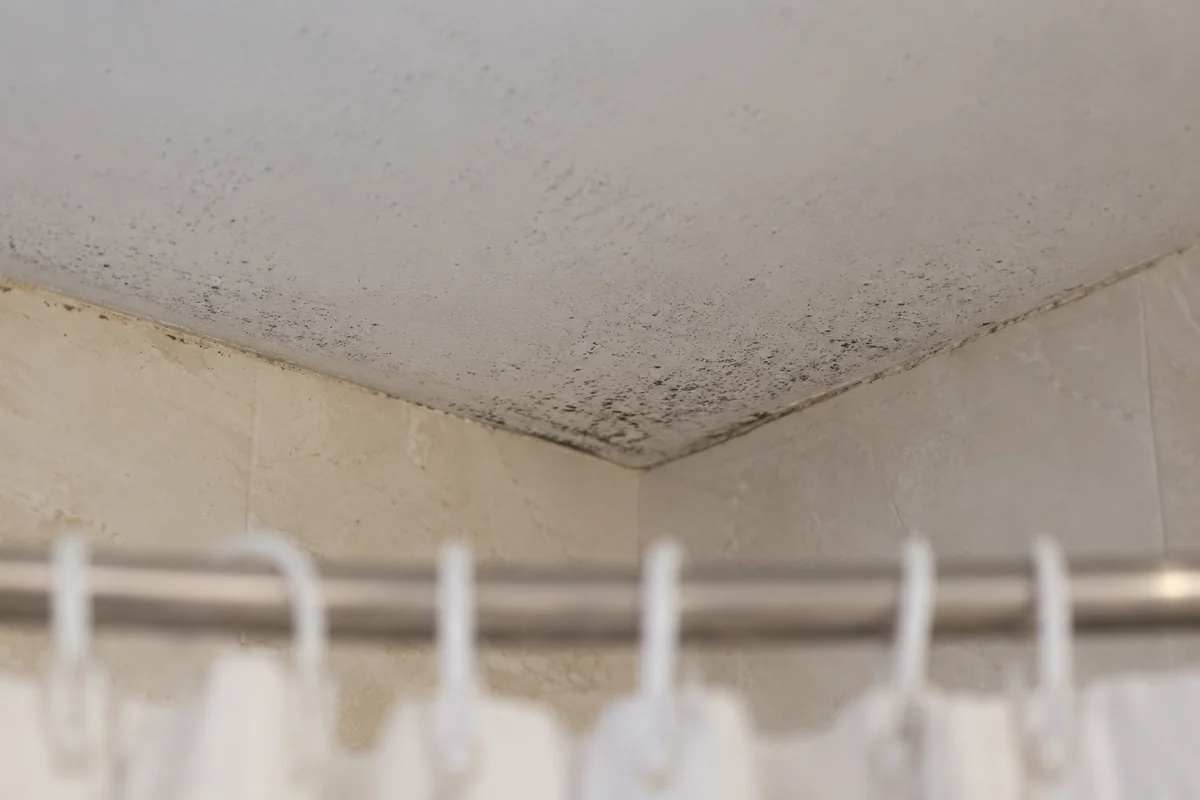
Residential
What to Do When Your Landlord Won't Fix Mold
A step-by-step escalation path for renters when a mold complaint gets ignored, with honest cautions about the riskier options.
If your landlord won't fix mold after you have reported it, you still have paths forward, and the calmest approach is a clear escalation ladder rather than a single dramatic move. The order generally goes from a second written notice, to your local housing or health department, to code enforcement, and on to tenant-rights help if needed. Some renters also consider options like repair-and-deduct or rent withholding, but those carry real risk and vary a lot by state. This guide lays out the steps and where to get advice before acting.
General guidance, not legal advice
This page describes common options in general terms. It is not legal advice, and the rules that apply to you depend on your state and even your city. Before withholding rent, deducting for repairs, or making any move that could affect your tenancy, talk to a tenant-rights organization, legal aid, or a local attorney.
Start with a second written notice
If your first notice went unanswered, send a second one in writing. Reference the first notice by date, restate the location and the moisture problem, and note that the issue is still unresolved. Keep it factual and calm. This shows a pattern of you raising the problem and giving your landlord a fair chance to act. If you have not yet sent a first formal notice, start with our guide on how to report mold to your landlord.
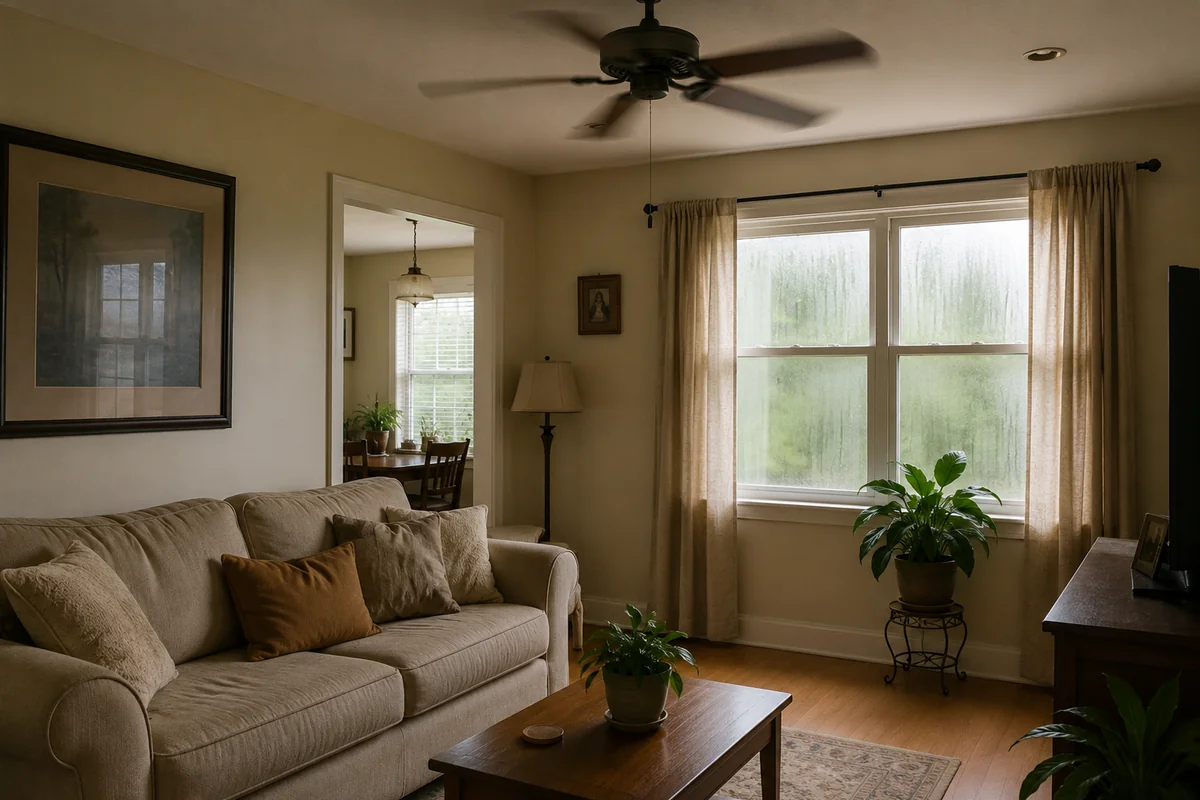
Contact your local housing or health department
Many cities and counties have a housing or health department that inspects rental conditions. If mold is tied to a leak, water intrusion, or a maintenance problem, these offices may be able to inspect and, in many areas, cite the property for code issues. This is often the most effective step because it brings an outside authority into the picture. If you are not sure which office handles this where you live, our who to call about mold page can help you find the right starting point.
Reach code enforcement
Code enforcement handles violations of local building and housing codes. Persistent moisture, unaddressed leaks, and related damage can fall under these codes in many places. An inspection and any resulting notice to the landlord become part of the official record, which can prompt action and also supports your own file. Rules and thresholds differ by jurisdiction, so ask what your local office actually inspects for.
Get help from a tenant-rights organization or legal aid
Tenant-rights organizations and legal aid offices exist specifically to help renters understand their options. They can explain what applies in your state, review your documentation, and tell you whether a step you are considering is wise or risky in your area. Many offer free or low-cost help. This is the right place to turn before you consider any of the higher-risk options below.
Riskier options: repair-and-deduct and rent withholding
You may have heard about repair-and-deduct, where a tenant pays for a repair and subtracts it from rent, or rent withholding, where a tenant holds back rent until a problem is fixed. In some states these are allowed under narrow conditions, and in others they can put your tenancy at risk if done incorrectly. The specific notice requirements, dollar limits, and escrow rules vary widely.
- These options are not available everywhere, and the conditions are strict where they exist.
- Doing them incorrectly can expose you to nonpayment claims, so get advice first.
- Keep every receipt, notice, and response if you ever pursue this route.
- Talk to legal aid or a tenant-rights group before withholding or deducting a single dollar.
Document everything as you escalate
Every step of this ladder is stronger when it is documented. Keep copies of both notices, log each call to a department with the date and who you spoke to, and save any inspection reports. A clean timeline makes your case clear to any office or advocate you involve. Our document mold in a rental guide shows how to build that record. If you also want an independent read on the mold itself, do I need a pro? and find a licensed local pro can help.
Frequently asked questions
Who do I call if my landlord won't remove mold?+
Start with your local housing or health department and code enforcement, since they can inspect rental conditions in many areas. A tenant-rights organization or legal aid office can also advise you on your specific options. Our who to call about mold page helps you find the right office for your area.
Can I withhold rent?+
Maybe, but only in some states and only under strict conditions. Rent withholding done incorrectly can expose you to nonpayment claims and put your tenancy at risk. Do not withhold rent based on general advice. Talk to a tenant-rights organization or legal aid about your state's rules first.
Can I break my lease?+
In some situations you may be able to, but the requirements are specific and vary by state. Leaving improperly can leave you owing rent. Before you decide anything, read our guide on how to break a lease because of mold and get legal guidance.
Can I sue?+
Some renters do pursue legal claims, but whether that makes sense depends heavily on your state, your documentation, and the harm involved. This is a question for legal aid or an attorney, not something to decide from a web page. Bring your full timeline and records to that conversation.
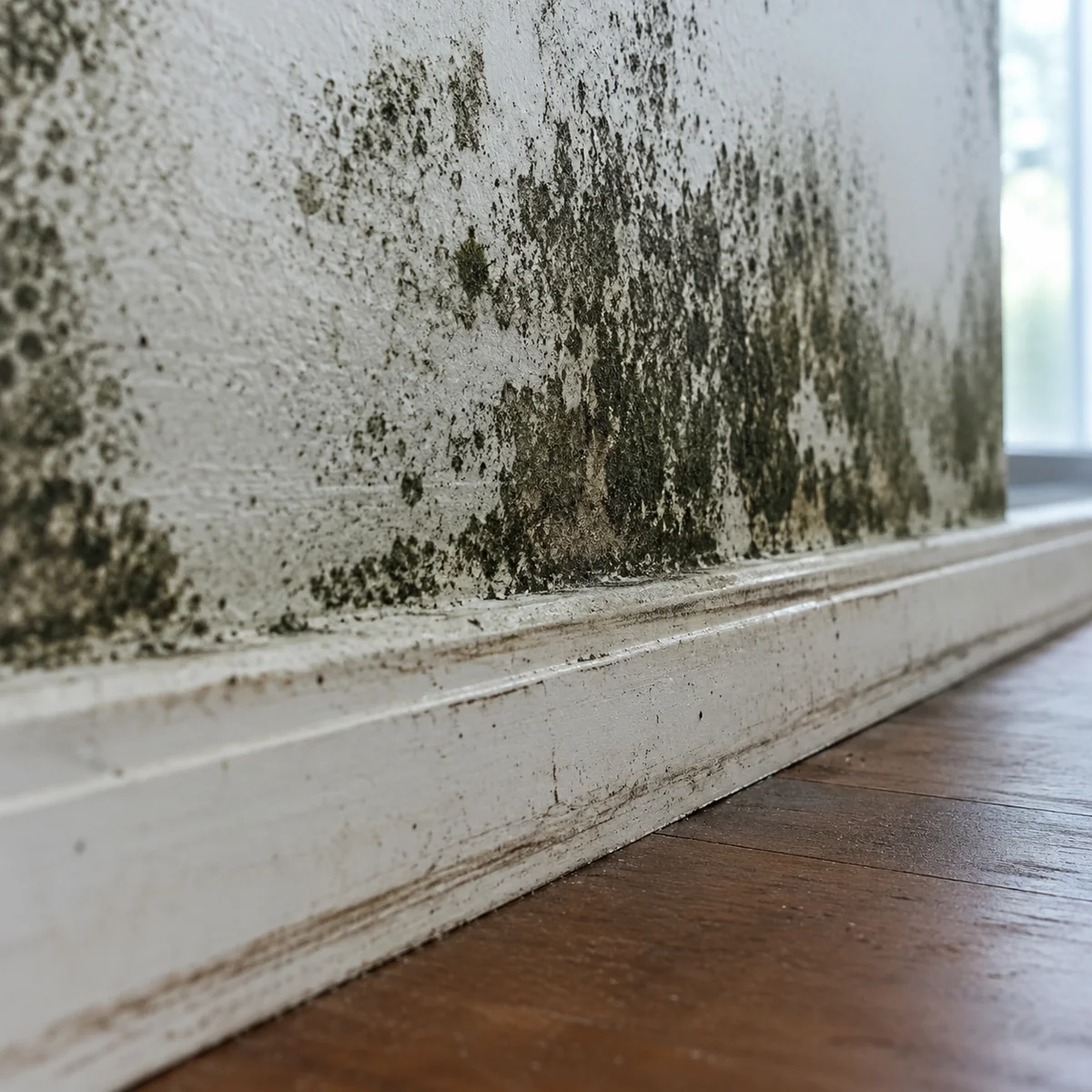
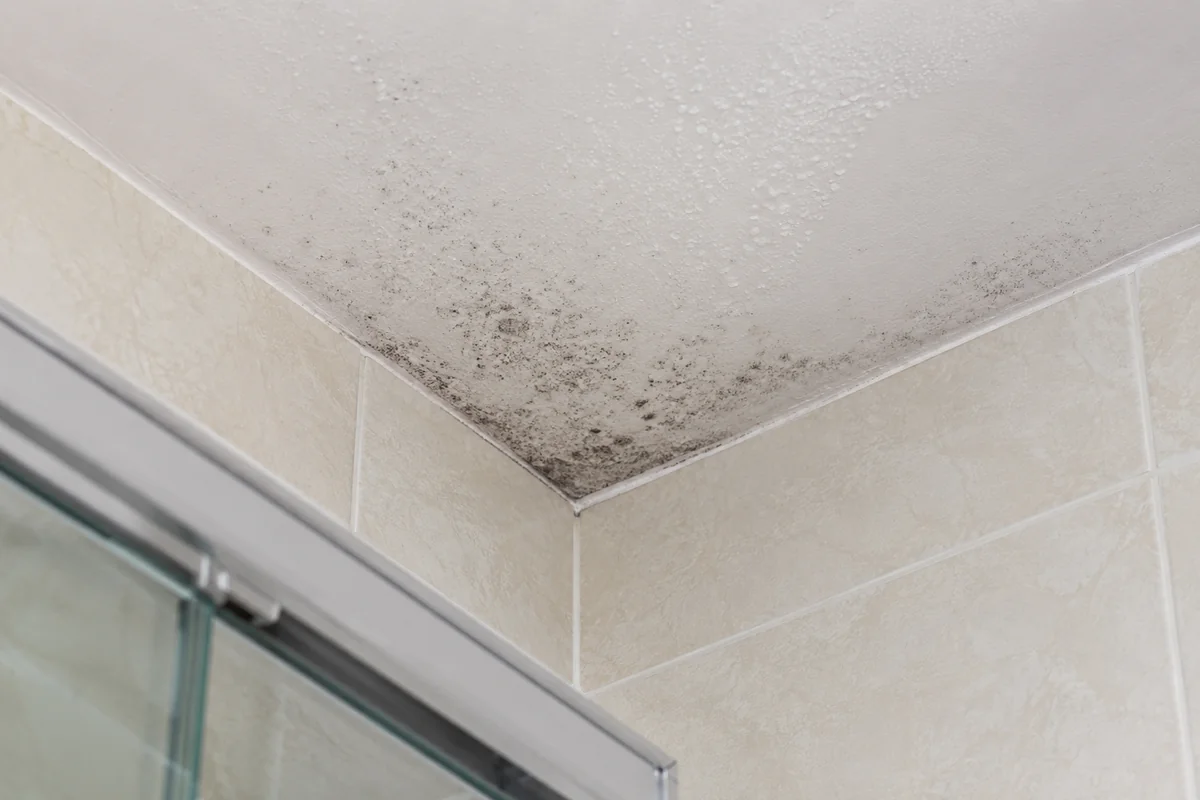
What mold looks like
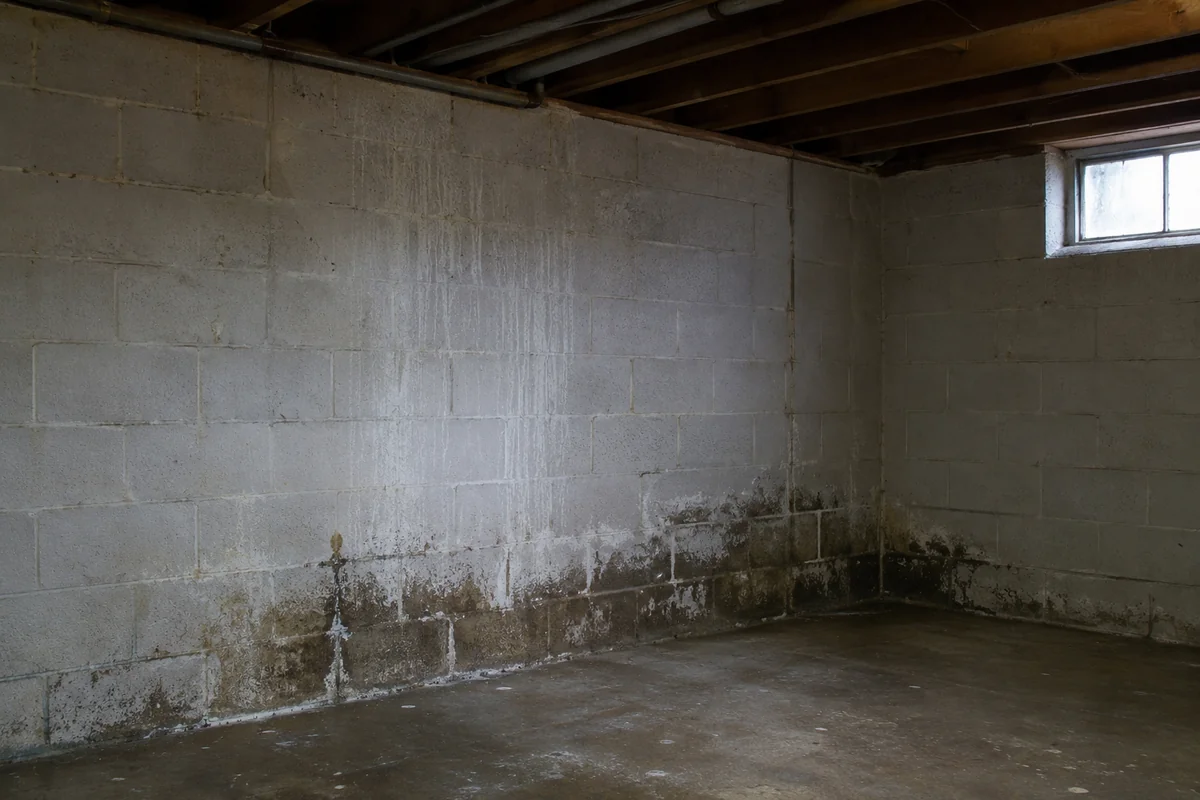
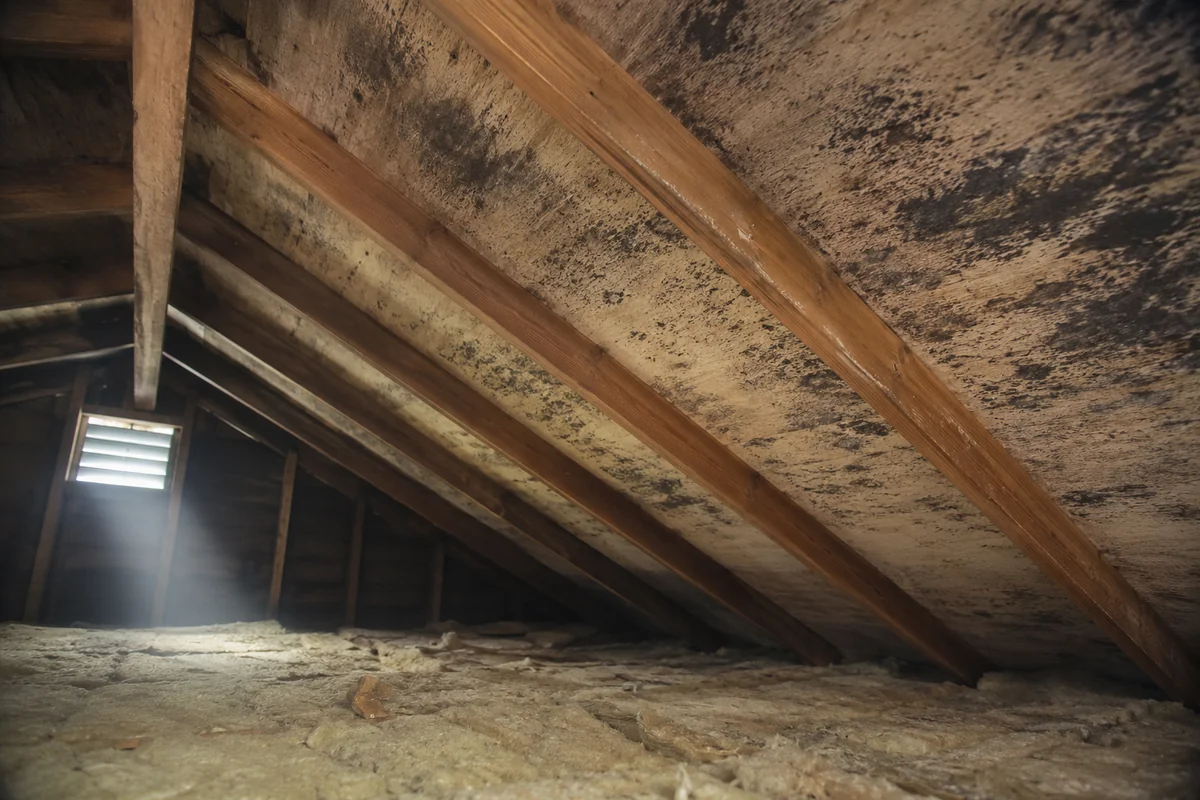
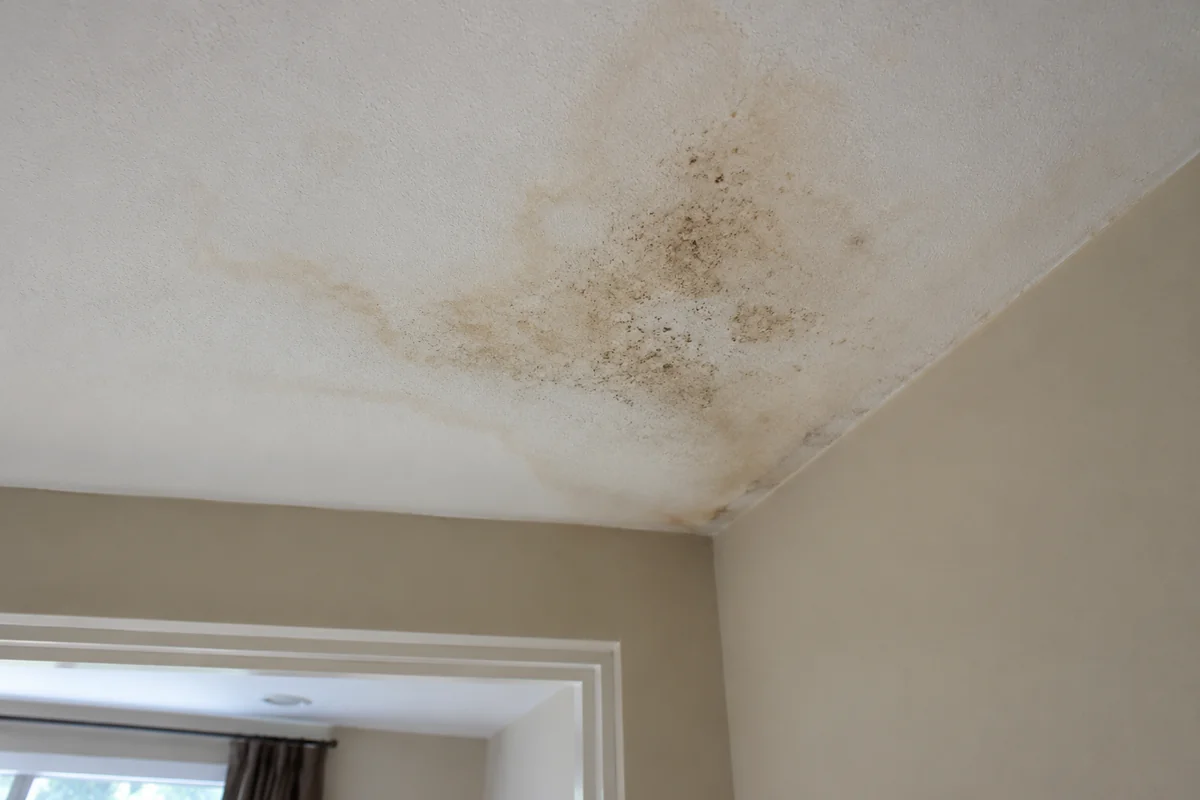
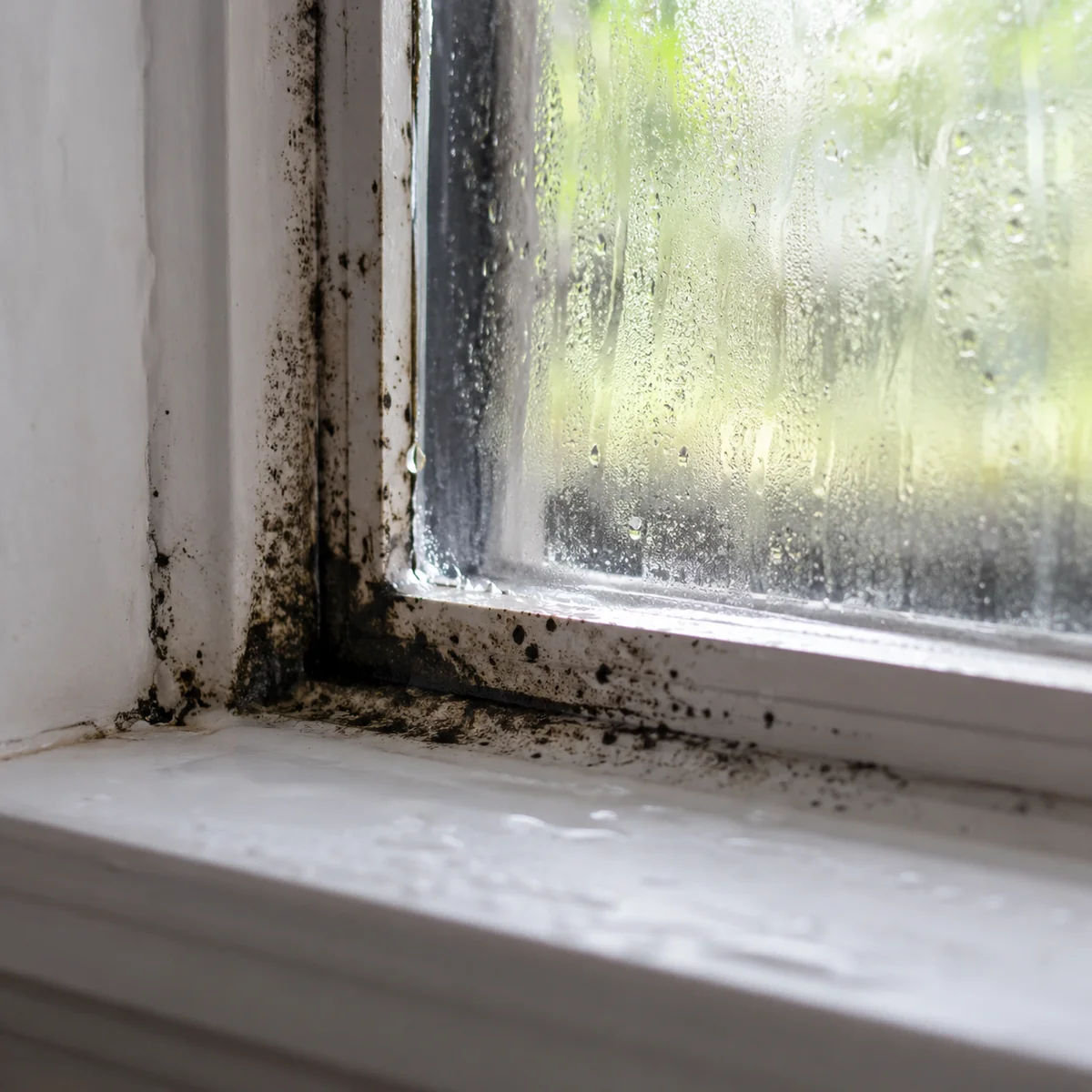
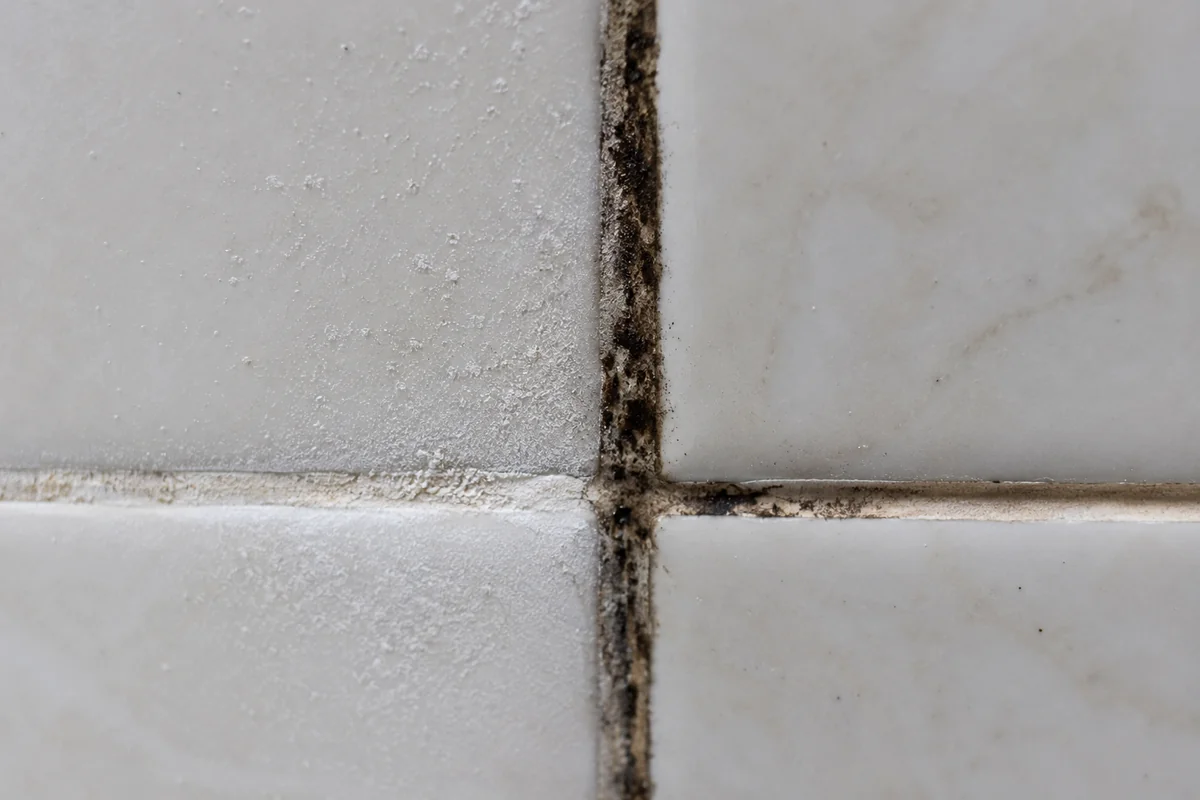
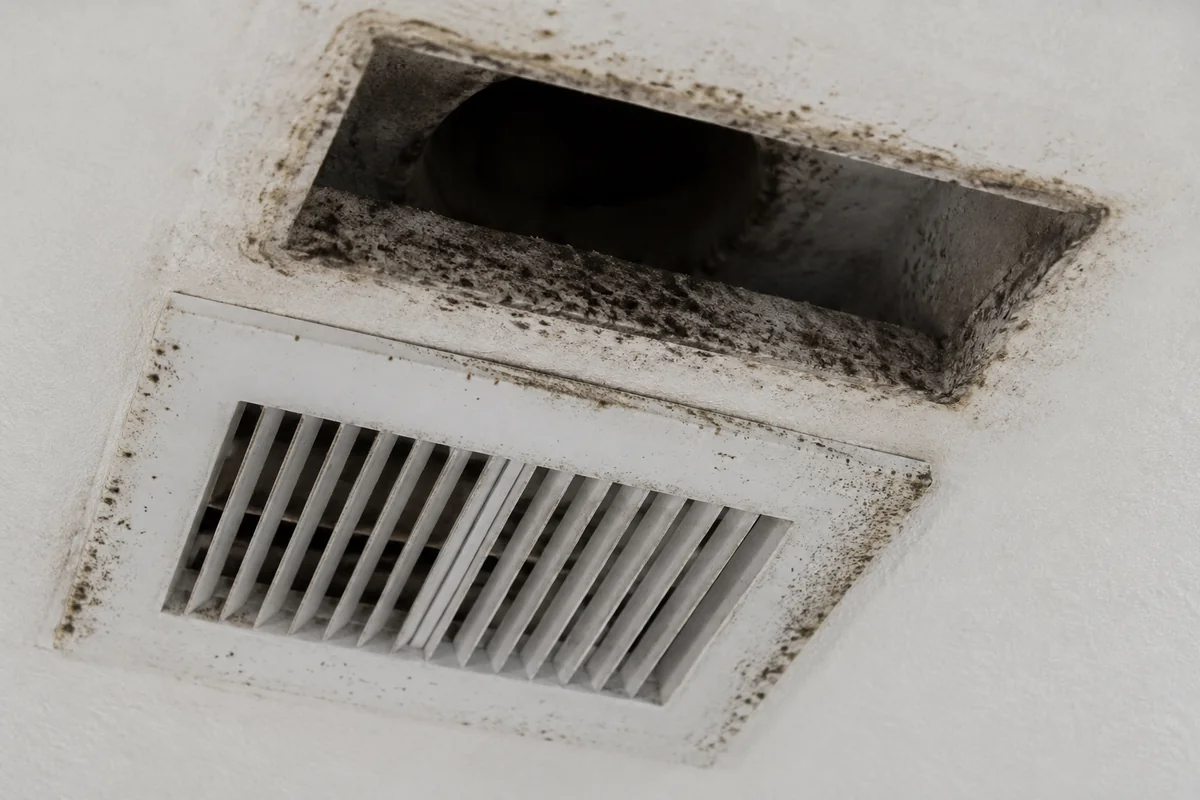
Put it in writing
A dated notice is the fastest way to get a stalled landlord moving. Know your rights and generate yours in minutes.
An ignored repair request is frustrating, but a steady, documented escalation usually works better than a rushed reaction. Move up the ladder one rung at a time, involve the right offices, and get advice before any high-risk step. When your landlord won't fix mold, a calm record and the right authorities are your strongest allies.
Not sure if it is even mold?
A quick guided check tells you what you are looking at and what to do next.