Commercial
Commercial Mold Remediation Process
What building owners and facility managers can expect from assessment through independent clearance, planned to minimize disruption to operations.
The commercial mold remediation process follows a defined sequence designed to contain the problem, remove affected materials, and verify the result independently. For building owners and facility managers, knowing each stage in advance makes it easier to plan around operations, brief occupants, and manage budget and documentation. This guide walks through what to expect from the first assessment to final clearance, and how a good plan keeps disruption to a minimum while creating the paper trail your insurer and counsel may want.
Two roles, kept separate
The assessment and the cleanup are best handled by different parties. When a certified industrial hygienist scopes the work and a licensed remediation contractor performs it, the clearance check stays independent and the result is easier to defend.
Step 1: Assessment by an industrial hygienist
The process starts with an assessment by a certified industrial hygienist or comparable qualified professional. They identify the moisture source, map the affected area, take readings, and may collect samples. The output is a scope of work and clearance criteria that define what will be done and how success will be measured. Because this document drives both the work and the budget, it is also the basis for comparing bids. You can size expectations early with the commercial mold cost estimator.
Step 2: Containment and negative air pressure
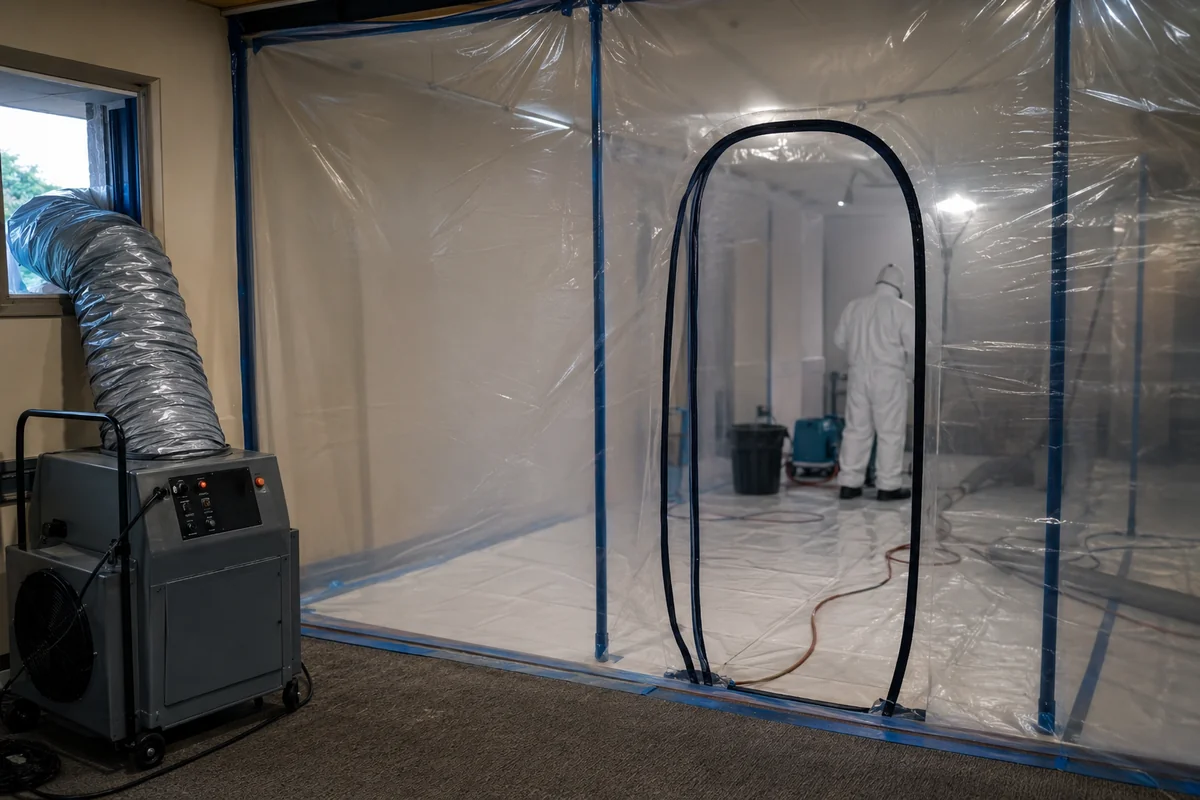
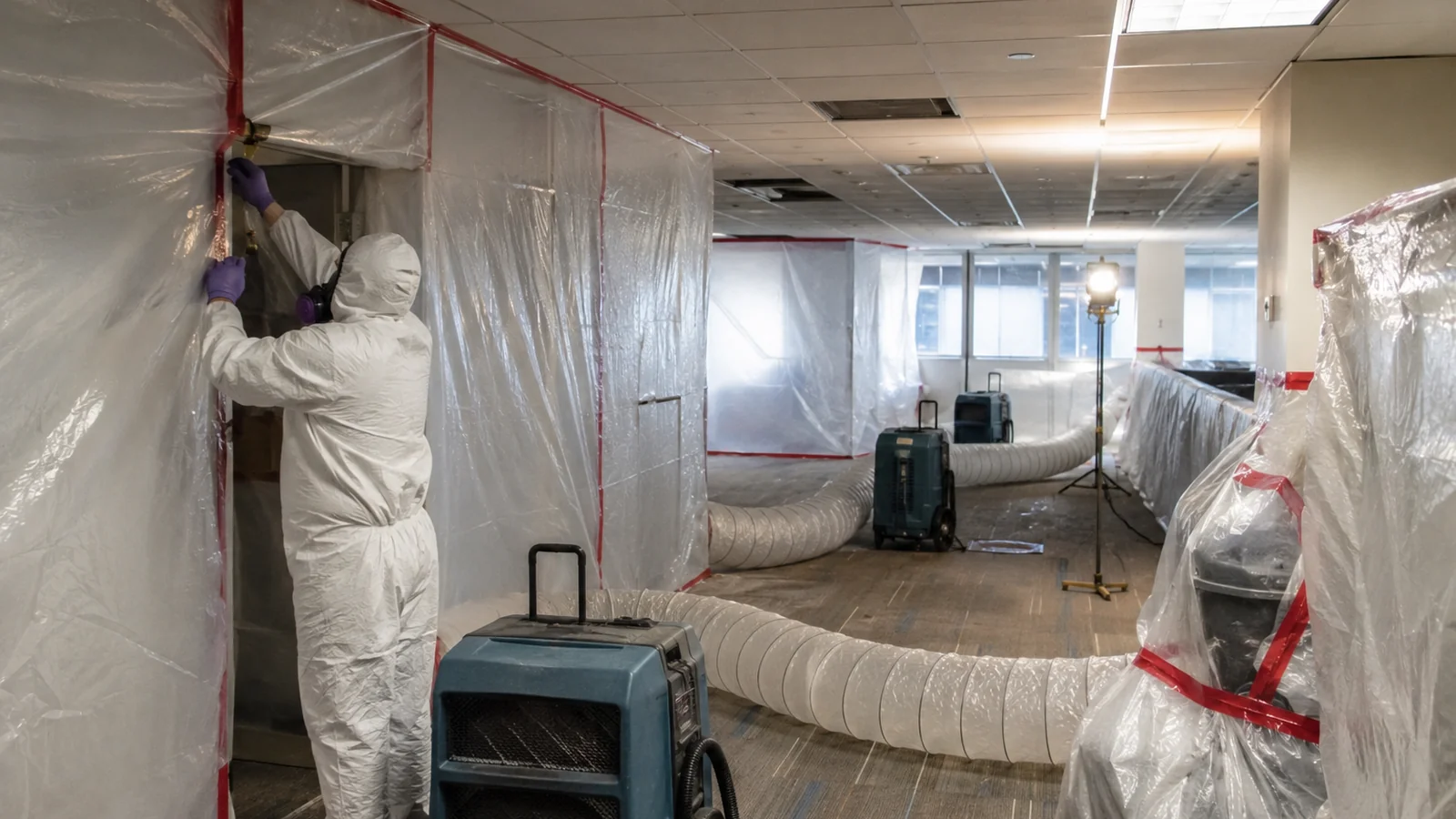
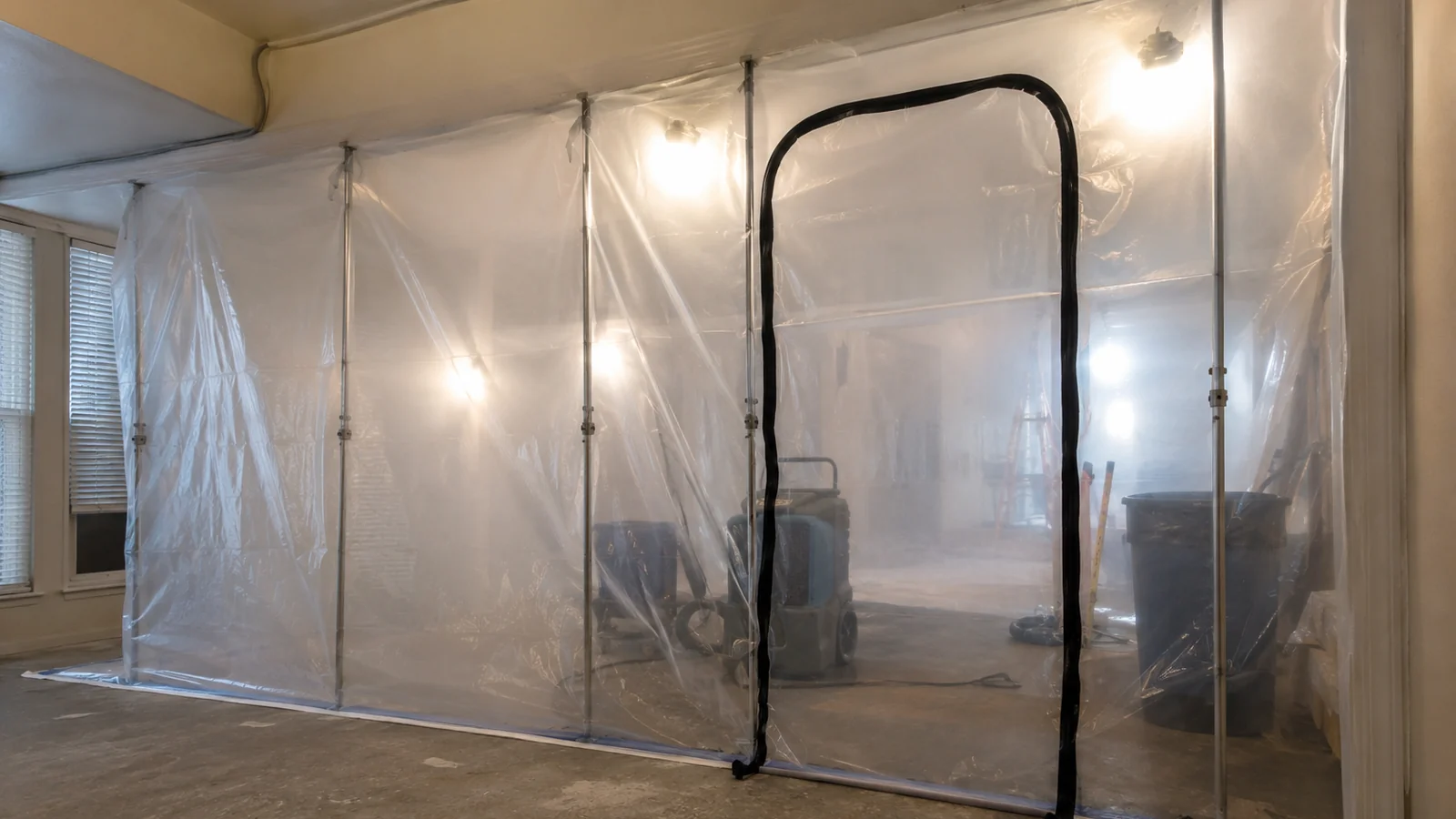
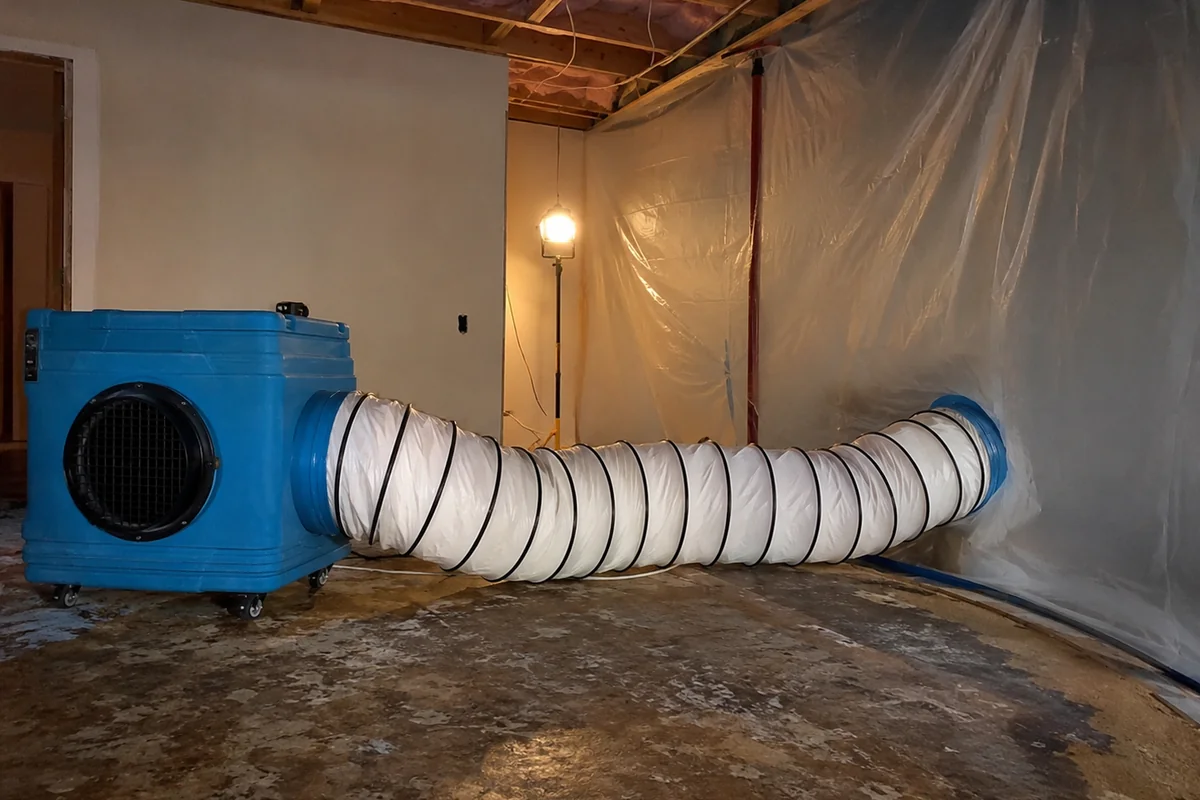
Before any material is disturbed, the contractor isolates the work area so spores do not travel into occupied space. Containment typically uses sealed barriers, and negative air pressure with HEPA-filtered air handling keeps air flowing into the work zone rather than out of it. For a business staying open nearby, containment is what makes continued operation in unaffected areas practical.
Step 3: Removal of affected materials
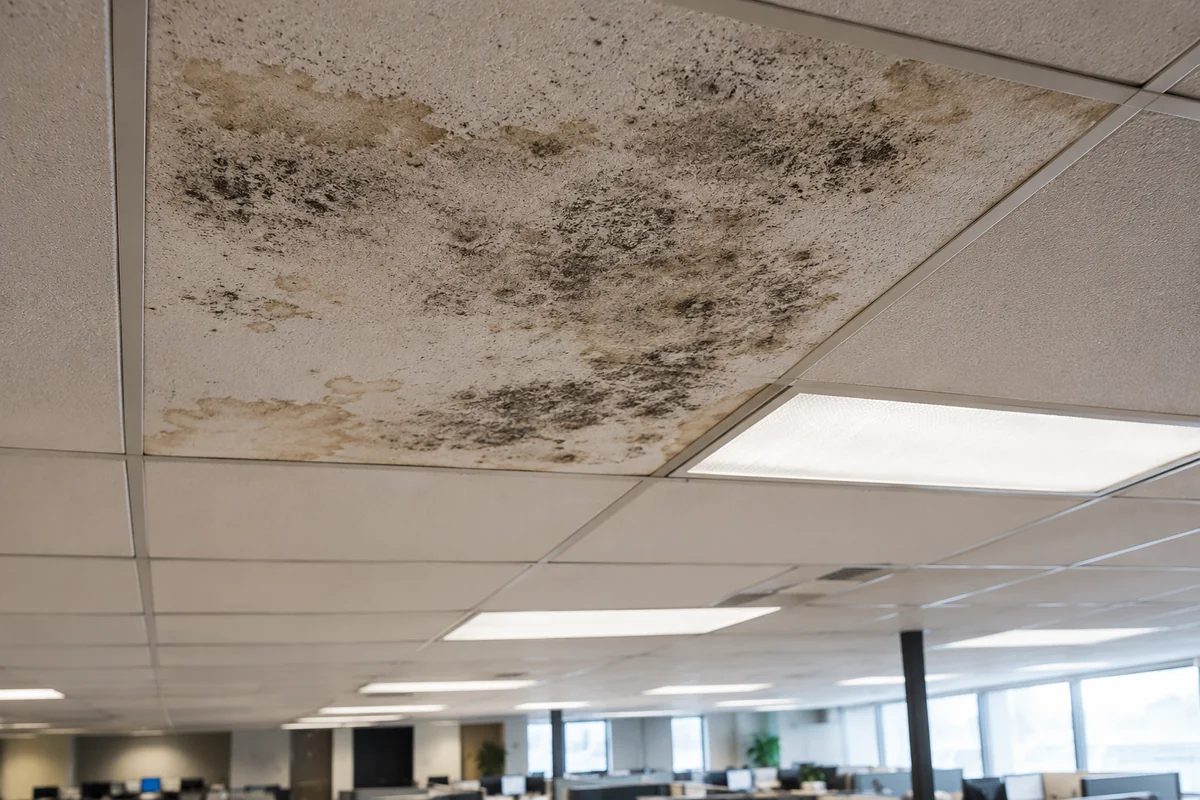
Porous materials that cannot be cleaned effectively, such as affected drywall, ceiling tile, insulation, and carpet, are removed and bagged inside containment. Non-porous surfaces are usually cleaned rather than discarded. The scope of work should spell out what comes out and what stays, so there are no surprises about cost or downtime.
Step 4: HEPA filtration and cleaning
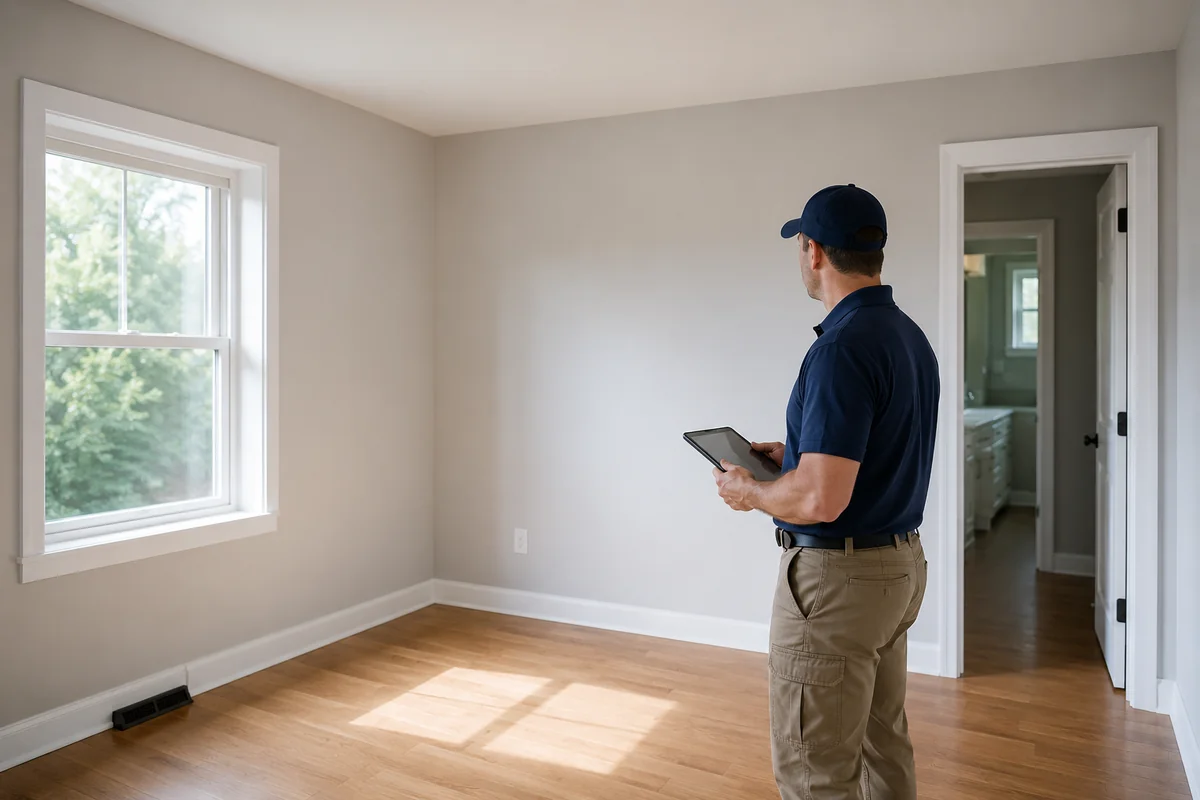
With affected materials removed, the contractor cleans remaining surfaces and uses HEPA filtration to capture airborne particles. The goal is to bring the settled and airborne particle load in the work area back toward normal indoor conditions rather than to make any absolute claim about the space. Careful cleaning at this stage is what sets up a clean clearance test.
Step 5: Drying and correcting the moisture source
Remediation does not hold if the water problem remains, so the underlying moisture source is corrected and the area is dried to appropriate levels. Depending on the situation this may involve coordinating with plumbing, roofing, or HVAC trades. Confirming that materials have reached target moisture readings is part of setting up for clearance.
Step 6: Independent clearance testing
Finally, an independent party, ideally the assessor rather than the contractor who did the work, verifies against the clearance criteria set at the start. Clearance may include a visual inspection, moisture readings, and air or surface sampling compared to baselines. Passing clearance is the point at which containment comes down and the space returns to use. Keeping this step independent is what makes the result credible to insurers and counsel.
- 1 Assessment and scope of work by a certified industrial hygienist
- 2 Containment and negative air pressure to isolate the work area
- 3 Removal of affected porous materials inside containment
- 4 HEPA filtration and cleaning of remaining surfaces
- 5 Correcting the moisture source and drying to target levels
- 6 Independent clearance testing against the criteria set at the start
Documentation and planning for minimal disruption
Throughout the job, keep the assessment report, scope of work, daily records, photos, and clearance results together as a single package. That record supports insurance claims and your liability position, and it helps if occupants raise questions later. To reduce operational impact, schedule loud or dusty phases for off-hours, phase the work by zone so parts of the building stay open, communicate the timeline to occupants in advance, and confirm that containment protects circulation paths. Planning these details up front is usually the difference between a smooth commercial mold remediation and one that stalls your operations.
Bringing in the right team
Matching the right specialists to the job keeps the sequence clean and the clearance credible. To connect with qualified assessors and licensed remediation contractors, you can find a licensed local pro or review who to call about mold to understand the order in which each specialist is involved.
Frequently asked questions
How long does commercial mold remediation take?+
Timelines vary with the size and complexity of the affected area, the materials involved, and how quickly the moisture source can be corrected. A small, contained area may take a few days, while larger jobs run longer. Your scope of work should include an estimated schedule so you can plan around operations.
Can we stay open during remediation?+
Often yes, in areas the containment isolates from the work zone. Negative air pressure and sealed barriers are designed to keep the work separate from occupied space. Phasing the work by zone and scheduling disruptive tasks for off-hours can help keep parts of the building running.
What is clearance testing?+
Clearance testing is the independent verification at the end that checks the work against the criteria set during assessment. It may include a visual inspection, moisture readings, and air or surface sampling compared to baselines. Keeping it independent of the contractor who did the work makes the result more credible.
What does commercial mold remediation cost?+
Cost depends on the affected area, the materials removed, containment needs, and the moisture repairs involved, so it varies widely. Getting bids on one shared scope of work is the best way to compare fairly. Our commercial mold cost estimator can help you set expectations before you request bids.
Commercial mold, in the field

Mold in a building you manage?
Follow a documented response that protects you from the first complaint through clearance testing.
A well-run job moves in order, keeps assessment and cleanup separate, and ends with independent verification, all while protecting your operations and building a defensible record. Understanding each stage helps you plan the budget and the downtime with confidence. When you are ready to begin, the licensed pros in our network can guide you through the commercial mold remediation process from assessment to clearance.
A tenant reported mold?
Follow a documented response that protects you, step by step.