Residential
Mold and Your Security Deposit
How mold factors into deposit deductions, when a landlord generally cannot charge you, and how the dispute process usually works.
When it comes to mold and your security deposit, the central question is usually about cause: did the mold come from a building problem, or from something the tenant did or failed to do. That distinction drives whether a deduction is fair. Deposit rules vary a lot by state, so this guide sticks to the general principles, how to protect yourself at move-out, and how the dispute process typically works, while pointing you to the right authority for the specifics.
General guidance, not legal advice
This page is general information, not legal advice, and deposit rules differ significantly from state to state. For the deadlines, itemization requirements, and dispute steps that apply to you, check your state's rules or contact a tenant-rights organization, legal aid, or your local housing office.
Normal wear versus tenant-caused damage
Deposit disputes often come down to the line between normal wear and tenant-caused damage. Normal wear is the ordinary aging of a unit that a landlord generally cannot deduct for. Damage is harm beyond that, and mold sits in an interesting spot because its cause matters so much. Mold from a roof leak or a plumbing failure is a building issue, while mold traced to a tenant's own actions may be treated differently. How your state draws these lines is worth checking.
When a landlord generally cannot charge you
As a general principle, a landlord cannot charge a tenant for a problem the building caused. If mold grew because of a leak, poor drainage, a structural issue, or another maintenance problem, that typically falls on the property, not the tenant. This is one more reason to have documented the moisture source while you lived there. Our guide on how to document mold in a rental shows how to capture the cause, and landlord vs tenant responsibility explains how that split usually works.
Document the unit at move-out
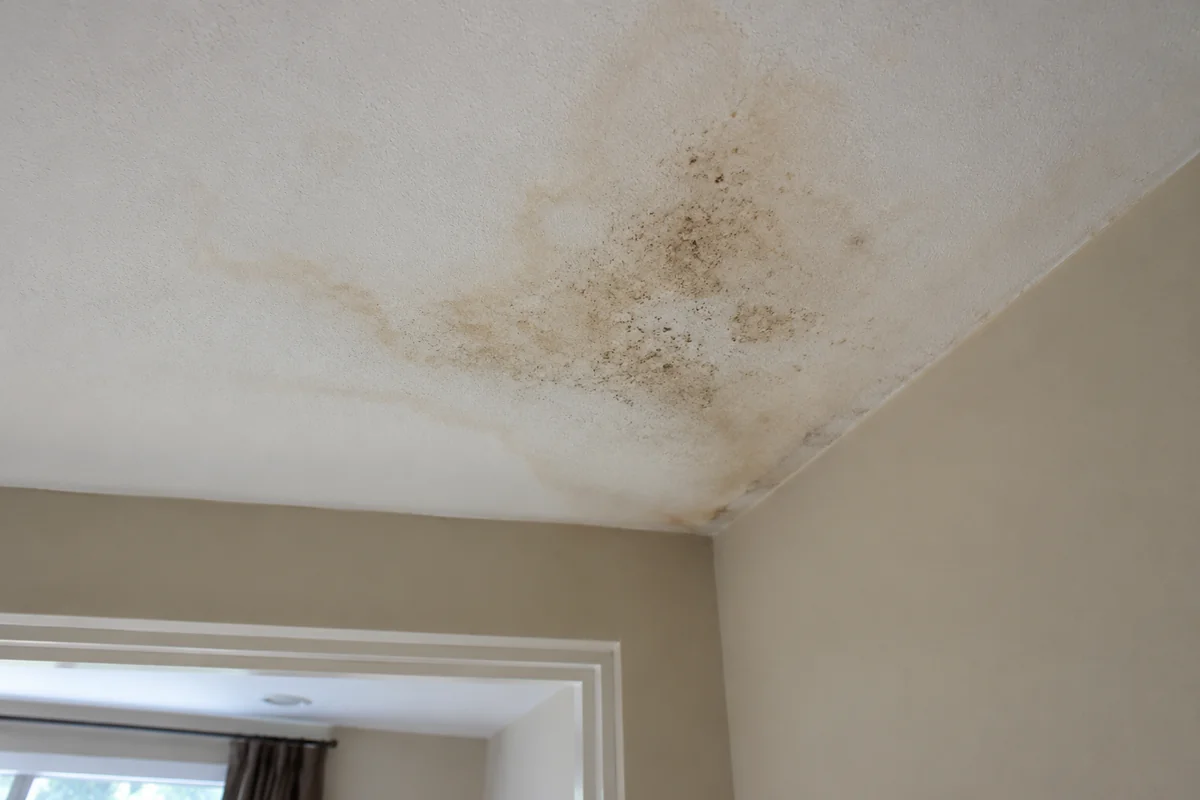
Your move-out record is your best protection against an unfair deduction. Photograph every room, including closets, under sinks, and behind large items, on the day you leave, and keep the dates. If you completed a move-in inspection, compare the two so you can show the condition you inherited versus the condition you returned. This before-and-after picture is often what settles a deposit disagreement.
- 1 Take dated photos of every room and every problem area at move-out.
- 2 Compare them against your move-in photos or inspection form if you have one.
- 3 Note anything you reported during the tenancy that was never repaired.
- 4 Provide a forwarding address so any deposit statement reaches you.
- 5 Keep all of this together with the rest of your mold file.
How deductions and itemized statements usually work
In many states, a landlord who keeps part of a deposit has to return the balance within a set time and provide an itemized statement listing each deduction. The exact deadline, the format, and what has to be included vary by state. If you receive a statement that lists a mold charge, read it closely and match it against your own records. If you never receive a statement at all, that itself can matter under some states' rules, so check what your state requires.
How to dispute a deduction
If you believe a mold deduction is unfair, you can dispute it, usually starting with a written objection that lays out your position and attaches your evidence. Reference the cause of the mold, point to any reports you made during the tenancy, and include your dated photos. If the landlord does not resolve it, a tenant-rights organization or legal aid can advise on next steps, and small claims processes exist in many areas for deposit disputes. Our who to call about mold page can help you find the right starting point, and if you want an independent read on the mold itself, find a licensed local pro can connect you locally.
Frequently asked questions
Can a landlord deduct for mold?+
It depends on the cause. A landlord generally cannot charge you for mold the building caused, such as mold from a leak or structural problem. A deduction is more likely to be considered fair if the mold traces to something the tenant did. Because the rules vary by state, check your state's requirements.
What if the mold was my fault?+
If mold resulted from a tenant's own actions, a landlord may treat it differently from building-caused mold, and a deduction could be more likely. Even then, deductions usually have to be reasonable and itemized. If you are unsure how your situation is viewed, a tenant-rights organization or legal aid can advise you.
How do I get my deposit back?+
Provide a forwarding address, document the unit's condition at move-out, and keep your records organized. In many states the landlord must return the balance and provide an itemized statement within a set time. If a deduction seems unfair, you can dispute it in writing with your evidence.
How do I dispute a deduction?+
Start with a written objection that states your position and attaches your evidence, such as dated photos and any reports you made about the mold's cause. If it is not resolved, a tenant-rights organization or legal aid can advise, and many areas have a small claims process for deposit disputes.
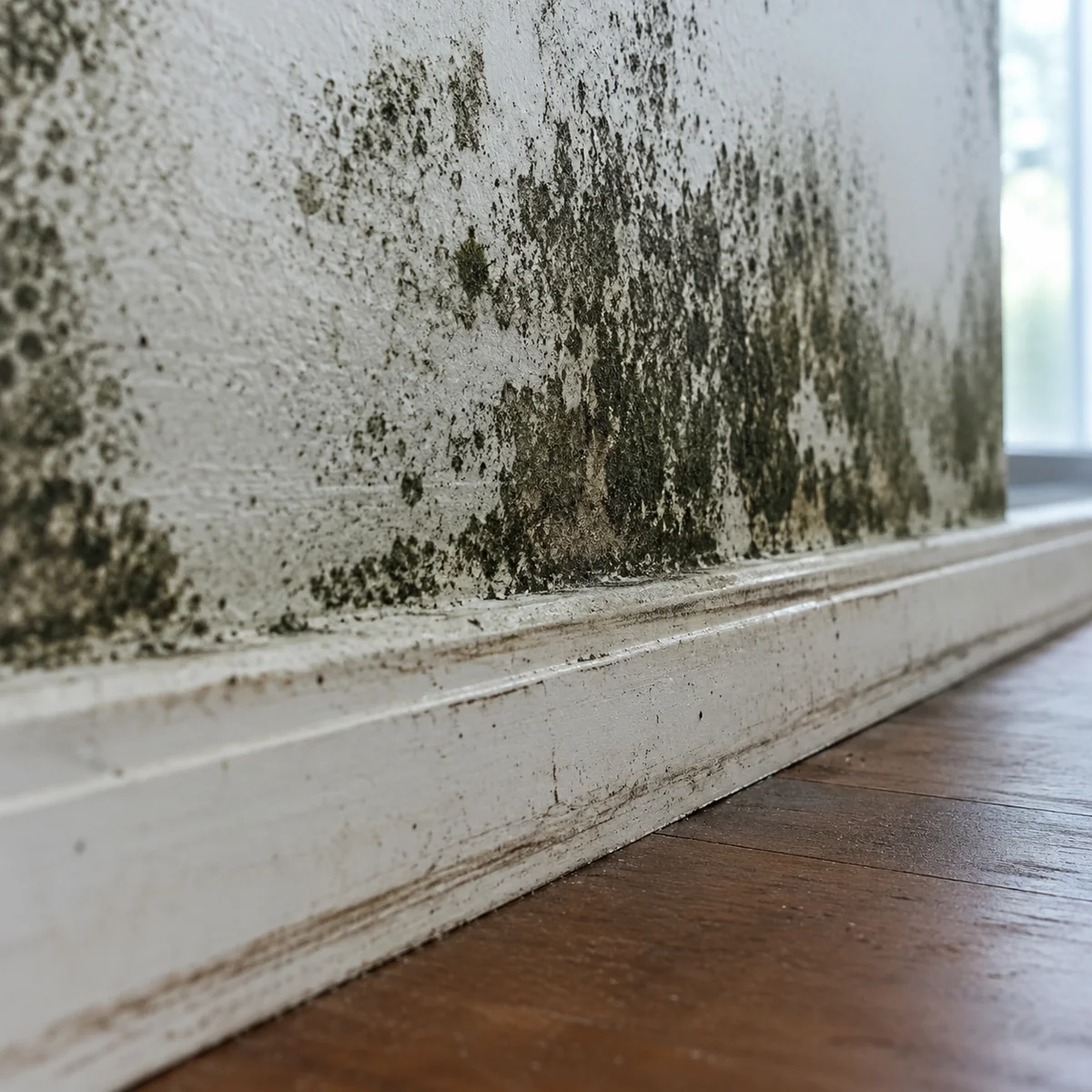
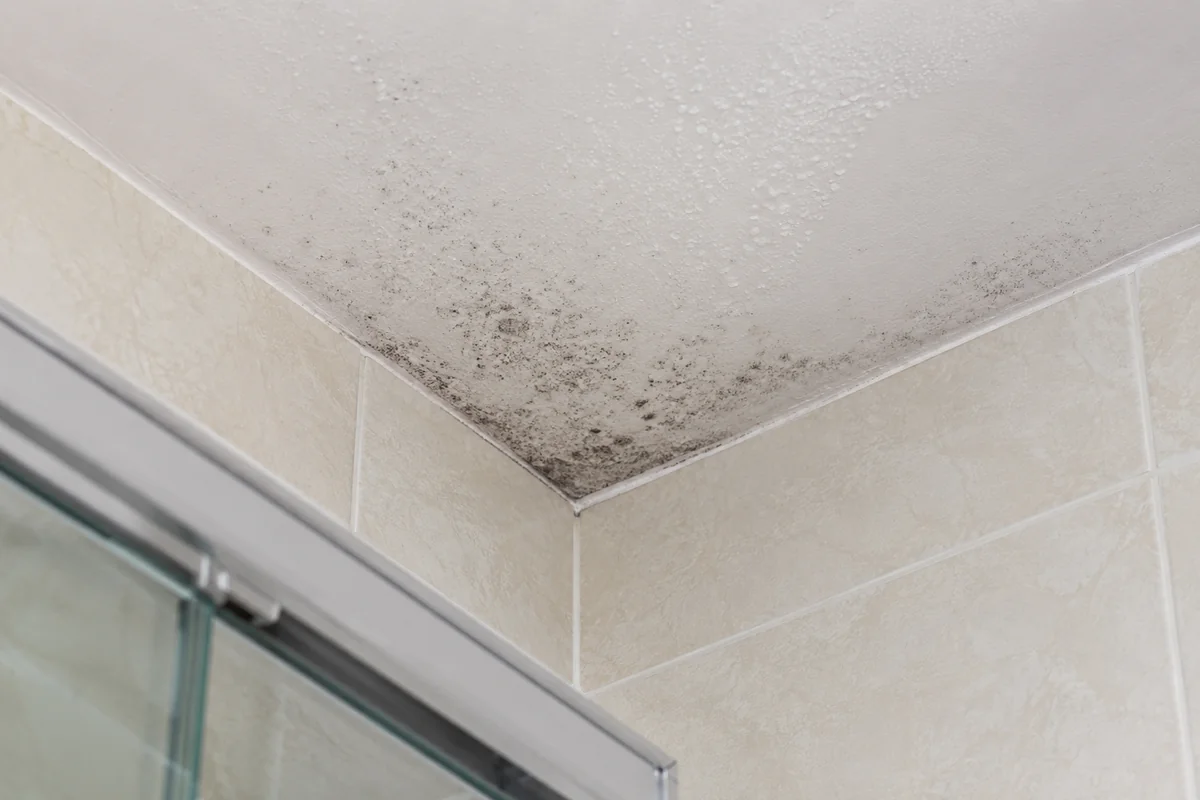
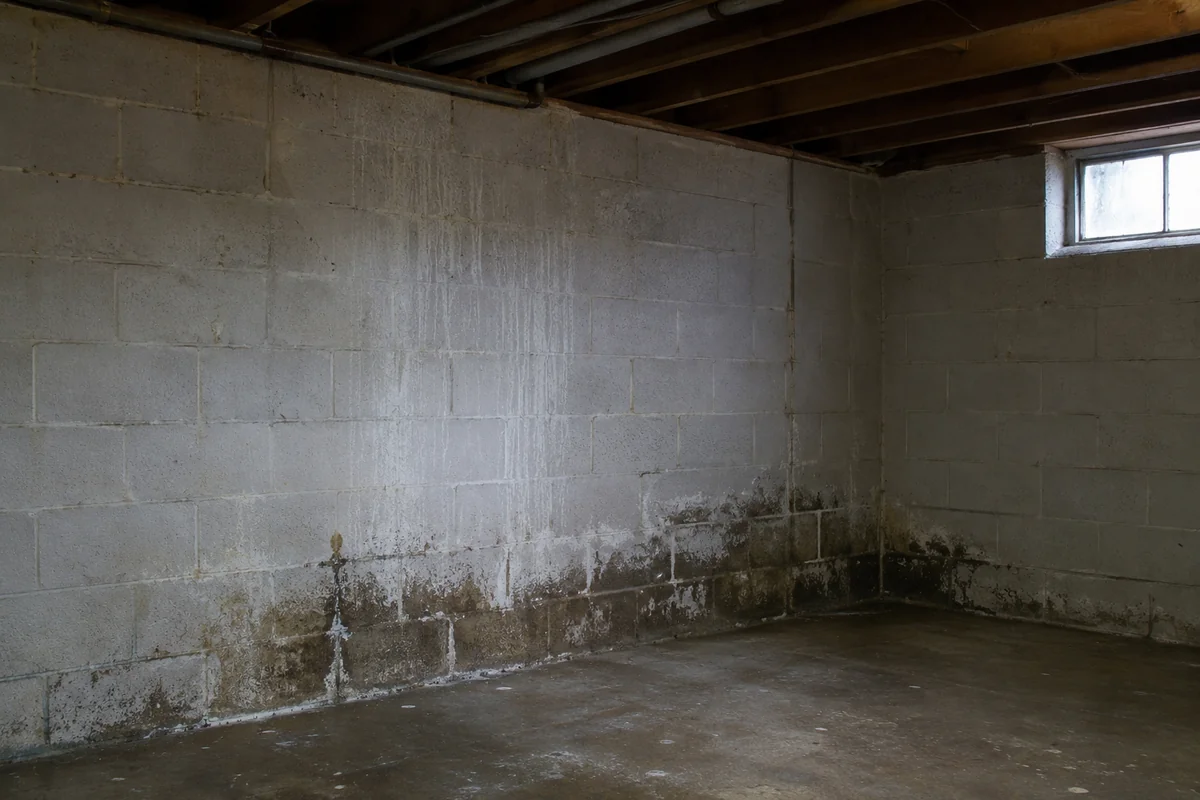
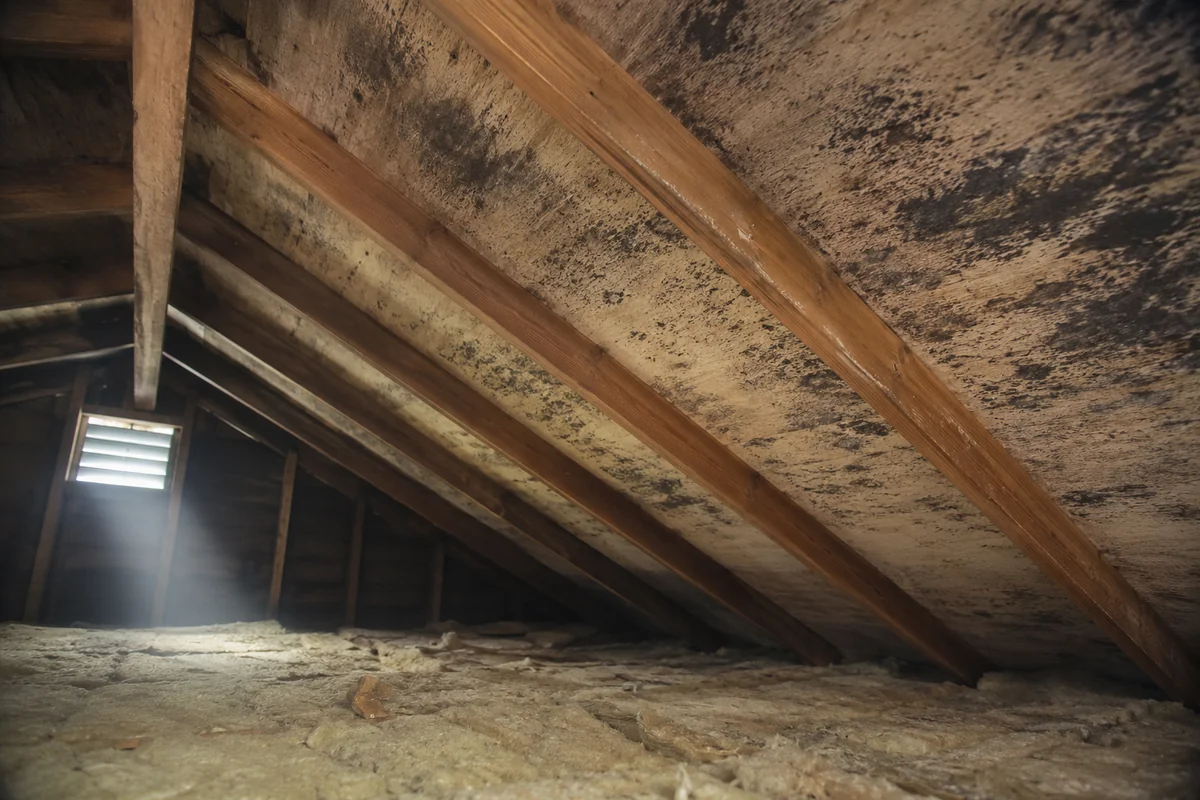
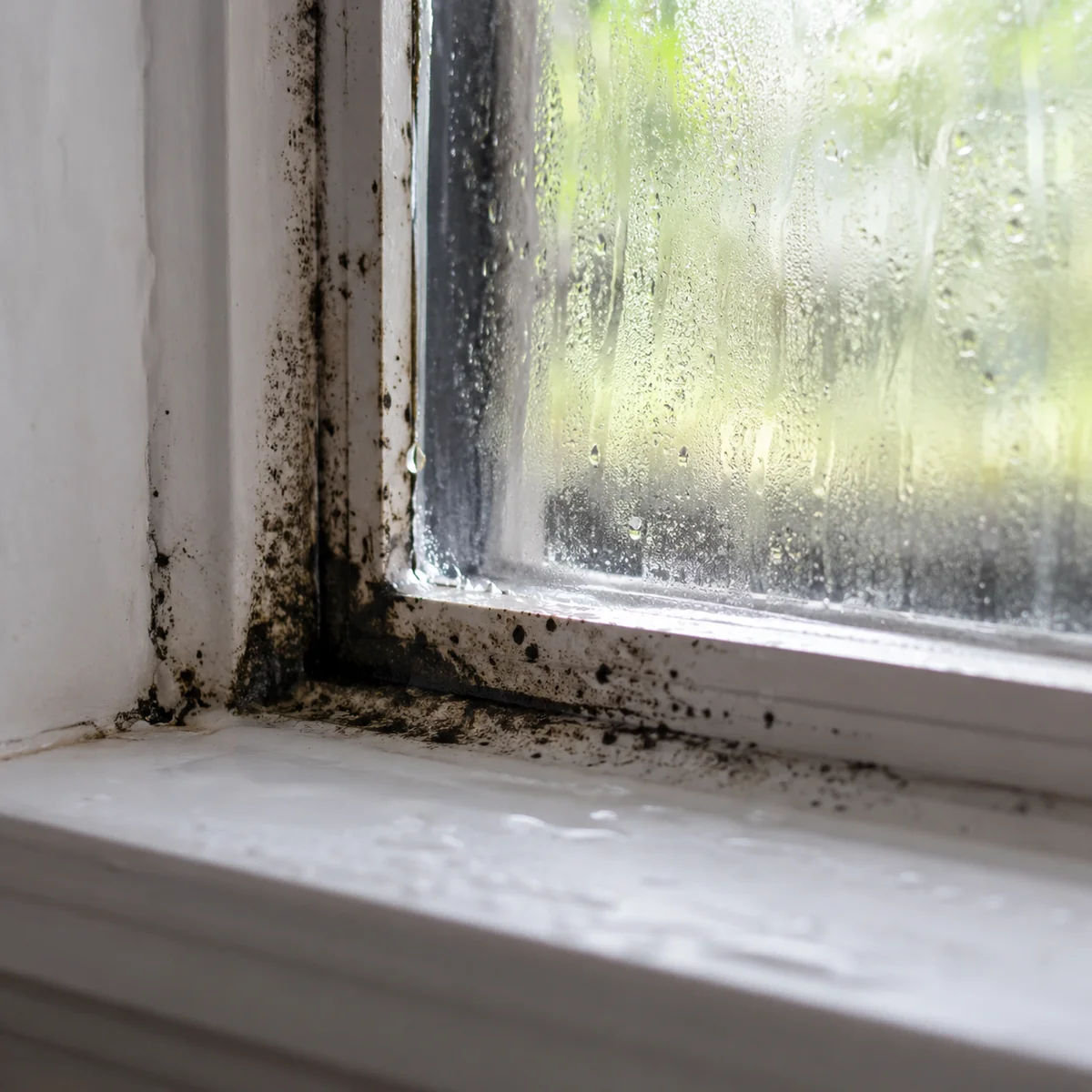
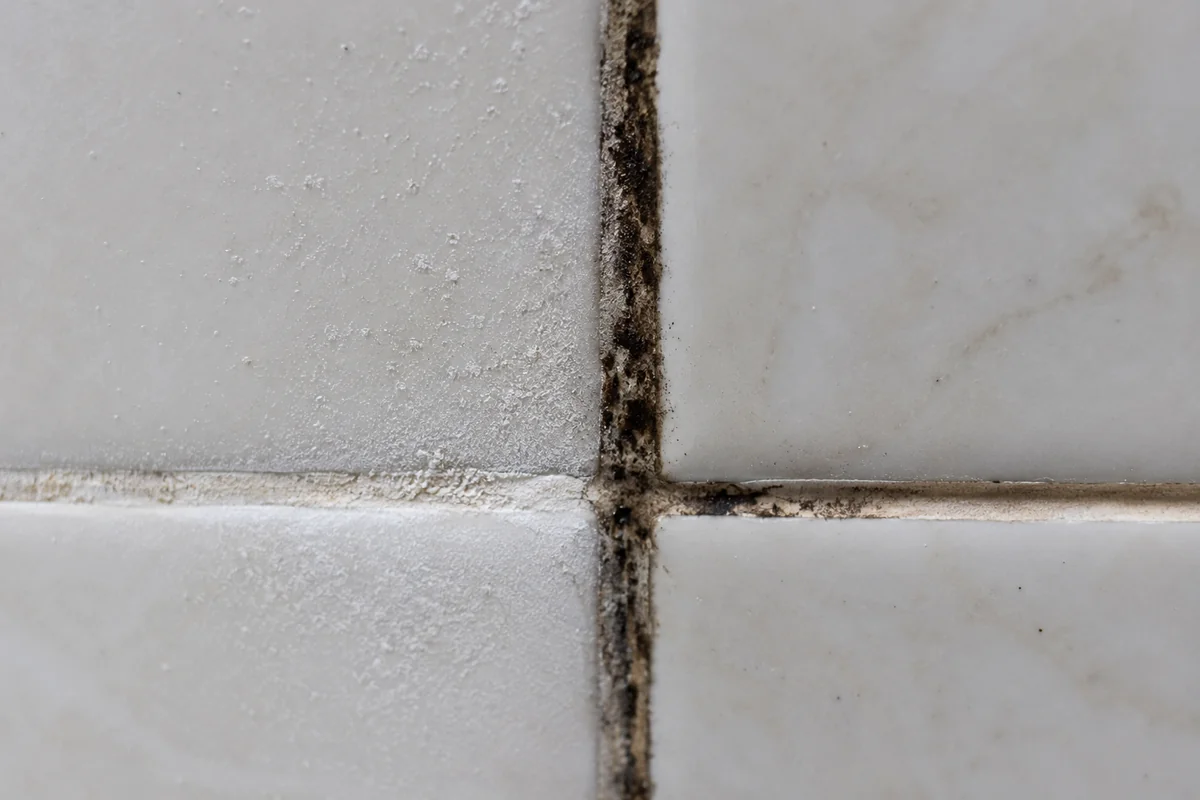
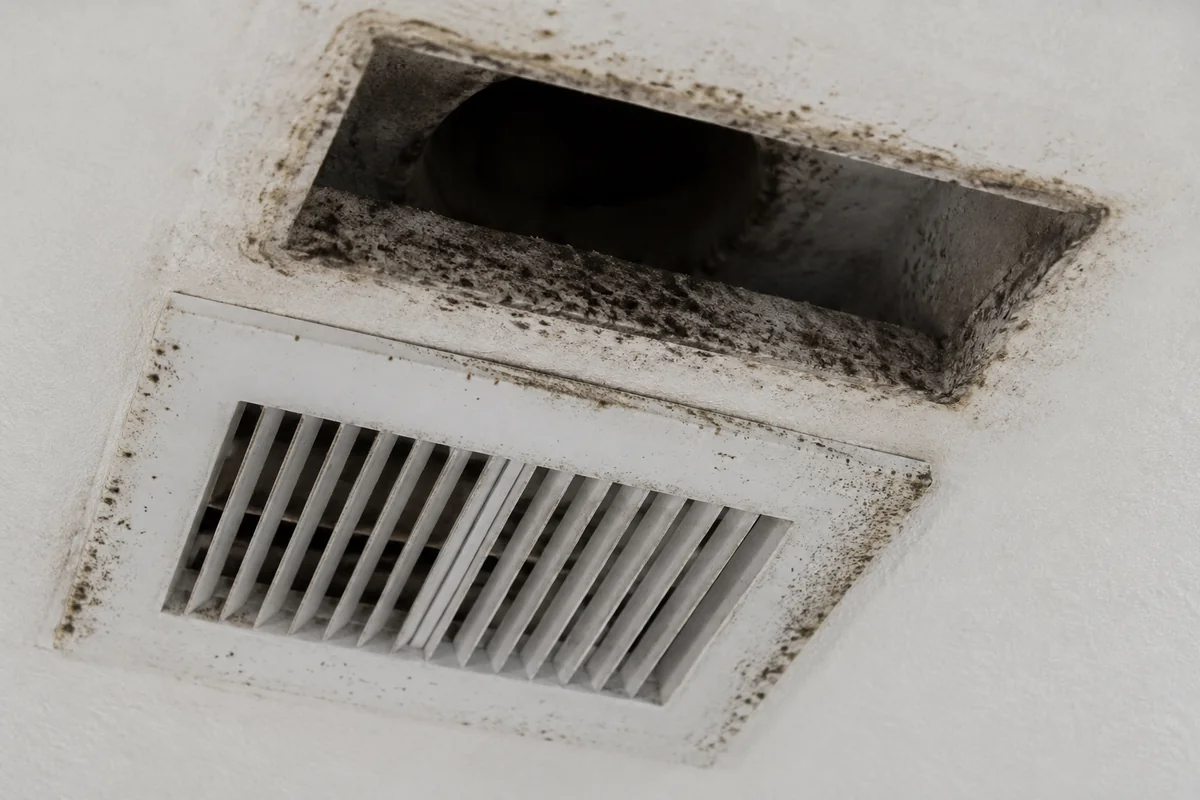
What mold looks like
Put it in writing
A dated notice is the fastest way to get a stalled landlord moving. Know your rights and generate yours in minutes.
Getting your deposit back after a mold problem is mostly about cause and documentation, and both are far easier to handle when you prepared ahead of time. Photograph the unit at move-out, hold onto your records, and dispute an unfair charge in writing with your evidence attached. When it comes to mold and your security deposit, a clear record and the right local authority are what keep the outcome fair.
Dispute a mold deduction in writing
If your landlord withheld deposit money for mold you believe the building caused, a firm, factual letter is the usual first step. Fill these in and copy the result.
Deposit dispute letter
We will build a dated letter you can copy, edit, and send.
General guidance, not legal advice
Deposit rules differ by state and situation. For a dispute or a deadline question, contact your local housing office, a tenant-rights organization, or legal aid. Our state-by-state rights lookup shows who to call where you live.
Check how your state handles this
Habitability, written notice, and who to call, summarized for your state in plain language.