Tool
Mold Growth Timeline Simulator
Something got wet. The question is where you sit on the clock. Four quick picks show whether you are still in the drying window or into the zone where growth typically begins.
How long has it been wet?
Temperature
Humidity
What got wet?
Your read
Make your four picks above and the marker shows where you land, with what to do about it.
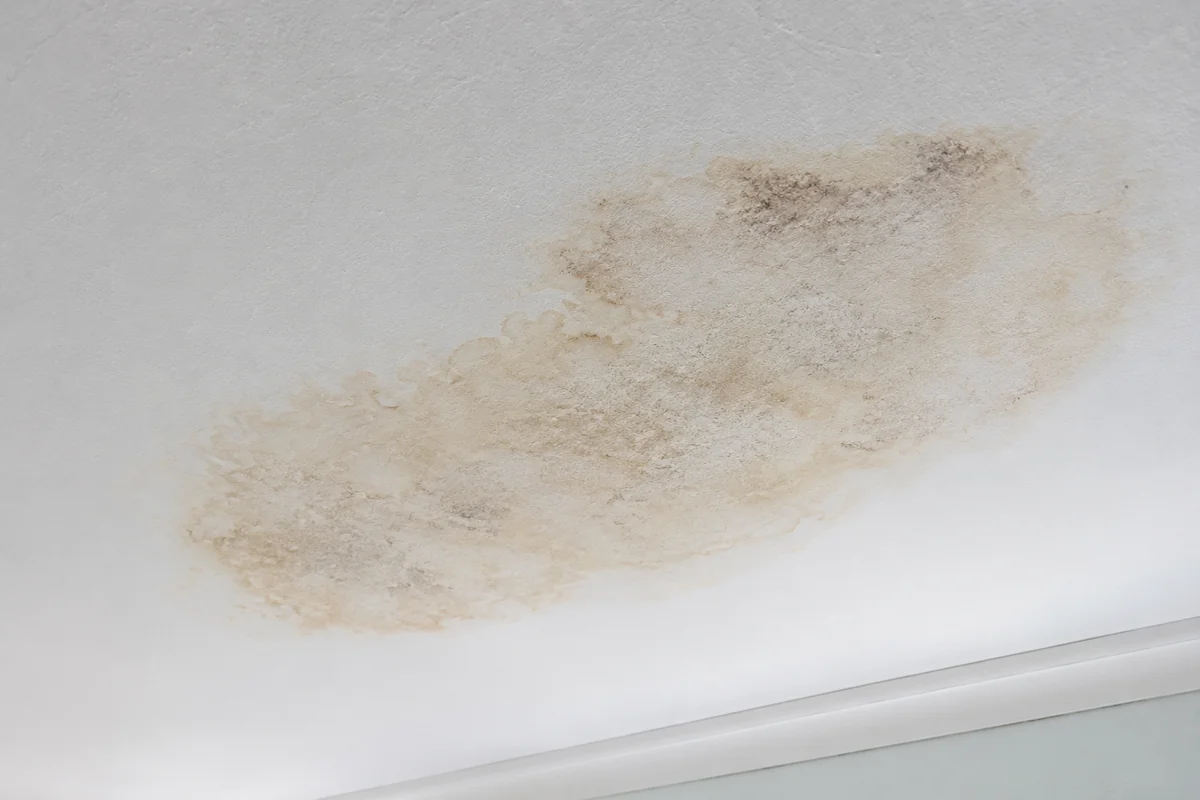
The honest science is simple: on damp porous materials like drywall paper, wood, and carpet, mold commonly begins establishing within 24 to 48 hours. Warm rooms and very humid air push onset toward the early end of that range, while cool conditions and hard, nonporous surfaces buy you time.
The catch is that early growth is invisible. By the time you can see fuzz or smell mustiness, colonization is already underway, which is why every water damage guide repeats the same target: get everything dry within 24 to 48 hours. Fans, open windows, a dehumidifier, and pulling up soaked materials all count toward that clock.
Materials matter as much as time. Tile, metal, and glass do not feed mold themselves, growth there lives in the surface film and wipes away fairly easily. Drywall and carpet soak water into the material itself, and once growth roots in, cleaning often turns into replacing.
Indicators, not an inspection
This simulator maps typical onset ranges onto your conditions. Real timing varies with airflow, how wet things got, and spore load, and no tool can see growth starting inside a wall. If materials stayed wet past the window, an in-person look is the way to know.
Just had water damage? Run the mold clock for your hour-by-hour plan, or read what to do in the first 48 hours.