Residential
What a Musty Mold Smell Means in Your Home
That earthy, damp odor is a signal from your home, and it usually means moisture or mold is hiding somewhere you cannot yet see.
A musty mold smell is one of the most common early warnings that moisture is building up somewhere in your home. The odor is earthy, damp, and a little like old books or a basement that never quite dries out. You may notice it in one room, near a vent, or only on humid days. In most cases the smell is telling you that mold or dampness is present, even if you cannot see a single spot yet.
The smell is a clue, not the problem
Covering the odor with sprays, candles, or plug-ins does not touch the moisture behind it. If a musty smell keeps coming back, treat it as a sign to find and fix a source, not to mask it.
What a musty, earthy smell actually is
When mold grows, it releases gases as it feeds and spreads. These are often called microbial volatile organic compounds, or MVOCs. You do not need to memorize the term. The plain version is that active mold gives off airborne compounds with a distinct musty, earthy, sometimes sweet or stale odor. Your nose can pick these up at very low levels, which is why the smell can seem strong even when the growth is small or hidden.
A musty smell can also come from damp materials that are not yet moldy, like wet drywall, soaked insulation, or a carpet that took on water. Either way, the common thread is moisture. Where there is enough persistent dampness to smell, there is enough to support mold over time. That is why the odor is worth chasing down rather than tolerating.
Why you can smell mold before you see it
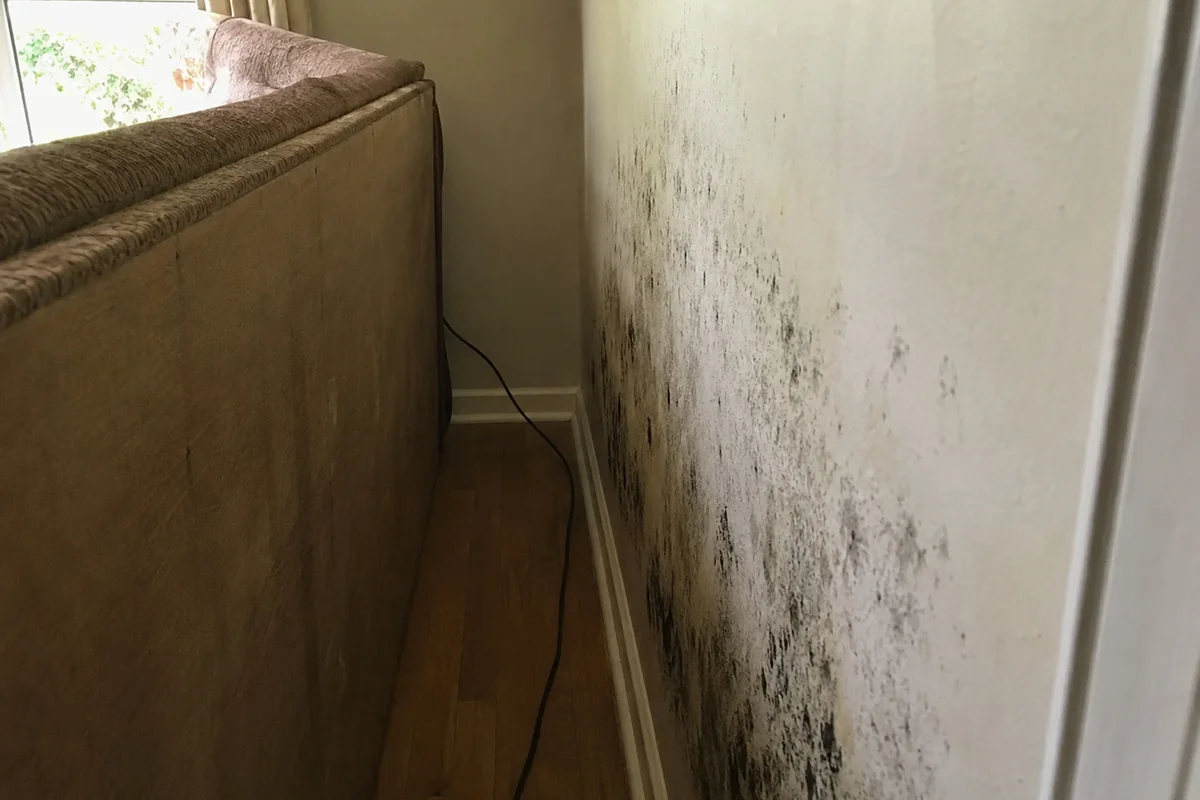
Mold often starts in places you rarely look. It can grow inside a wall cavity fed by a slow pipe leak, under a floor, behind a bathroom vanity, or on the back of furniture pushed against a cool exterior wall. The gases it produces travel through air more easily than you might think, so the odor can reach a room while the growth stays out of sight. If your home smells musty but looks clean, that gap between smell and sight is normal and expected.
This is also why a musty smell should not be dismissed as just an old-house quirk. It is often the first honest signal you get. Reading whether what you eventually find is actually mold can be tricky, so it helps to know is this mold? before you assume the worst or brush it off.
Where to check when your home smells musty
Start with the damp-prone and hidden spots. A slow, methodical sniff test through the house often narrows the source faster than you expect. Follow your nose to where the odor is strongest, then look closely and feel for dampness.
- Behind and under furniture set against exterior walls, where cool surfaces trap condensation
- Inside cabinets and vanities, especially under sinks where slow leaks hide
- Bathrooms around tubs, showers, tile grout, and caulk lines
- The basement, including corners, behind stored boxes, and along the base of walls
- Crawlspaces, which stay damp and are easy to ignore until the smell spreads upstairs
- Closets on shared exterior walls with poor air flow
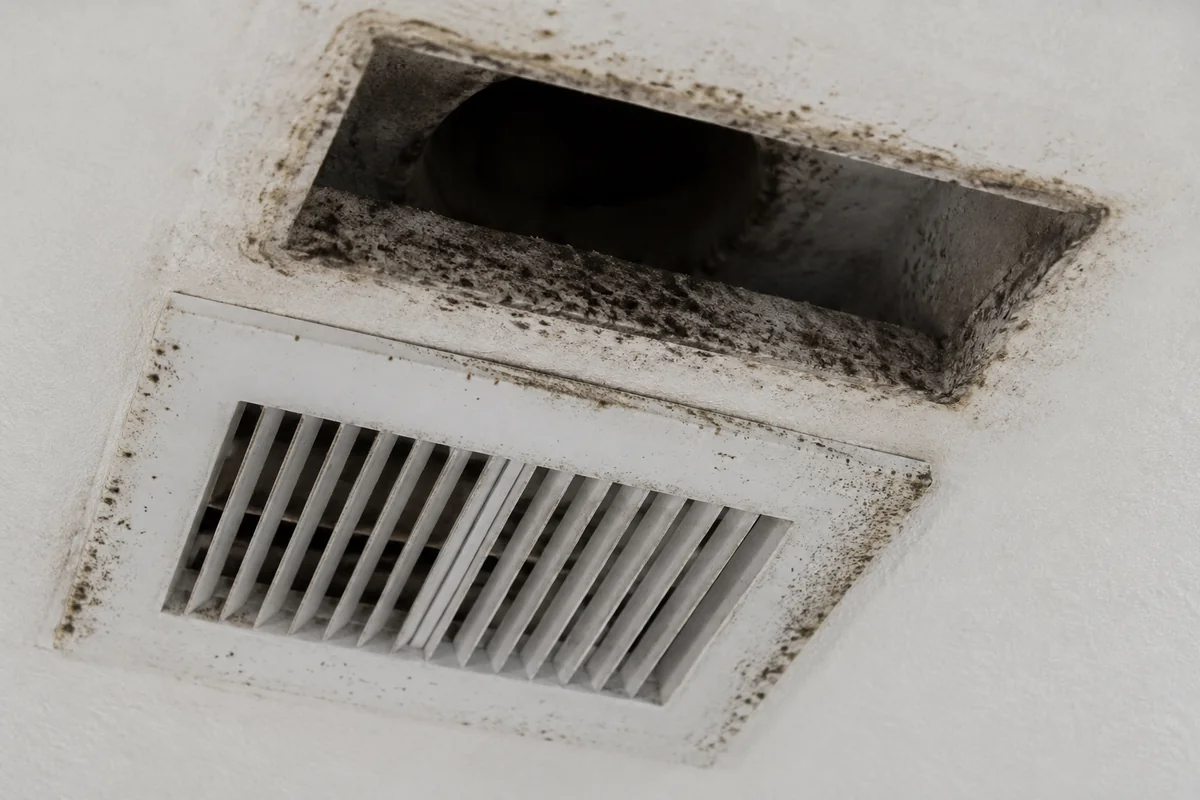
- Around and inside your HVAC system, vents, and return air ducts
If the odor is strongest in the basement or crawlspace, those spaces have their own patterns worth understanding. See mold in the basement for how below-grade dampness typically shows up and what tends to feed it.
The HVAC angle: why a musty smell travels
Few things spread a musty smell around a home as efficiently as central heating and cooling. If mold or dampness sits inside your ductwork, on a wet cooling coil, or in a clogged drain pan, the system can push that odor into every room each time it runs. A classic sign is a musty smell that appears or gets stronger the moment the air conditioning kicks on. If that matches what you notice, read mold in HVAC and air ducts to understand what to look at and why the system needs attention rather than another air freshener.
When it makes sense to test
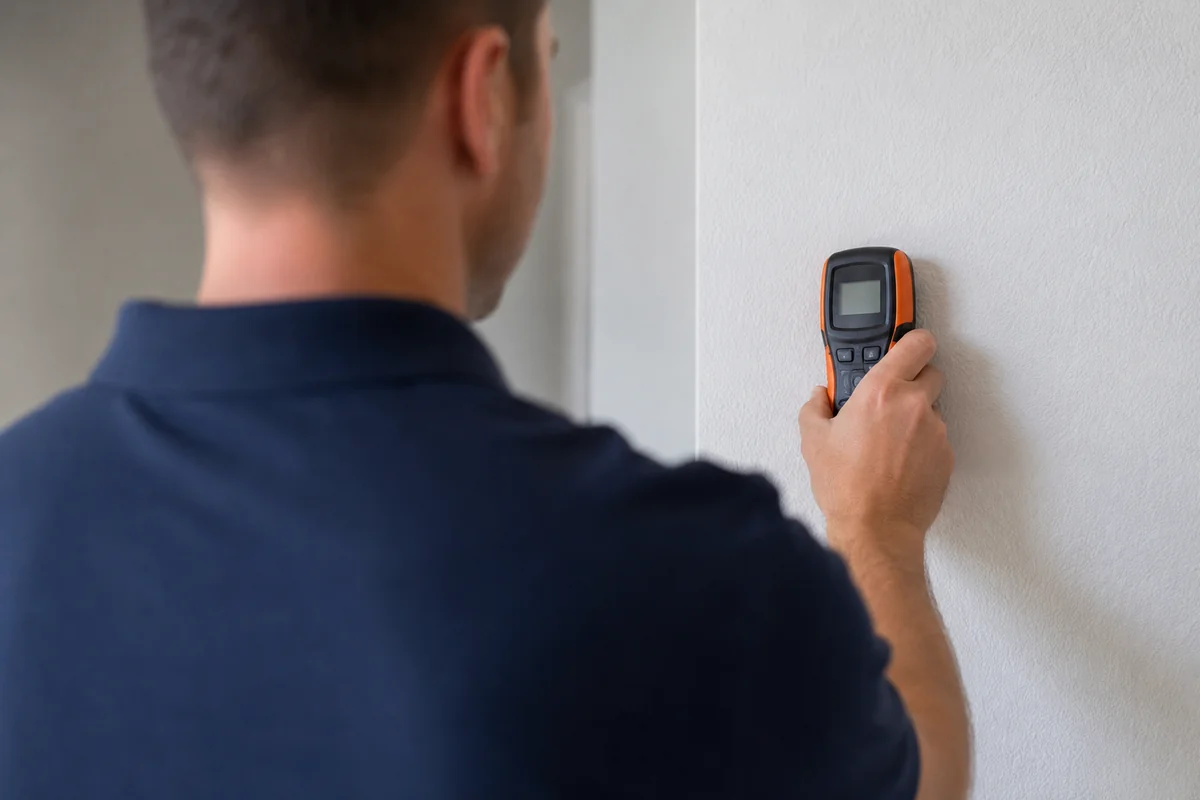
Testing is not automatic. If you can see the mold and identify the moisture source, cleanup and moisture control usually matter more than a lab result. Testing is more useful when the smell is clearly there but the source is hidden, when someone in the home has health concerns and a doctor wants information, or when you need documentation for a real estate or insurance situation. To weigh whether it is worth it in your case, see should I test for mold?.
If you would rather not go hunting through walls and crawlspaces yourself, or the smell keeps returning after you clean, it can be time to bring in help. You can find a licensed local pro to locate the moisture source and assess what is behind the odor. A trained assessor often finds a hidden leak or damp cavity that a homeowner would miss.
What not to do
The most common mistake is masking. Scented sprays, plug-ins, and candles cover the odor for a few hours and change nothing underneath. Sealing a room or ignoring the smell over winter lets the moisture keep working. Painting over a stained, musty wall traps the problem rather than solving it. The durable fix is always the same two-step idea: find the water, then deal with the growth it fed.
Frequently asked questions
I have a musty smell but no visible mold. What does that mean?+
It usually means the moisture and any growth are hidden, in a wall, under a floor, inside ductwork, or in a crawlspace. Smelling mold before seeing it is common because the gases travel through air. Follow the odor to where it is strongest and check the damp-prone spots. If you cannot find the source, a licensed local pro can help locate it.
Does a musty smell mean the mold is dangerous?+
A smell tells you moisture and likely mold are present, not how risky it is. Response varies a lot from person to person. The sound approach is to act on the moisture and the growth regardless, and to see a doctor about any symptoms rather than trying to judge risk by odor. Agencies like the EPA and CDC advise addressing dampness and mold indoors.
How do I get rid of a musty smell for good?+
Find and fix the moisture source, then clean or remove the affected material. That is the only lasting fix. Lowering indoor humidity and improving air flow helps prevent it from returning. Air fresheners and sprays only cover the smell temporarily and leave the cause in place.
Will an air purifier fix a musty smell?+
An air purifier may reduce airborne particles and slightly soften the odor while it runs, but it does not remove the moisture or the mold producing the smell. Think of it as a comfort measure at most. The real fix is correcting the water source and cleaning up the growth.
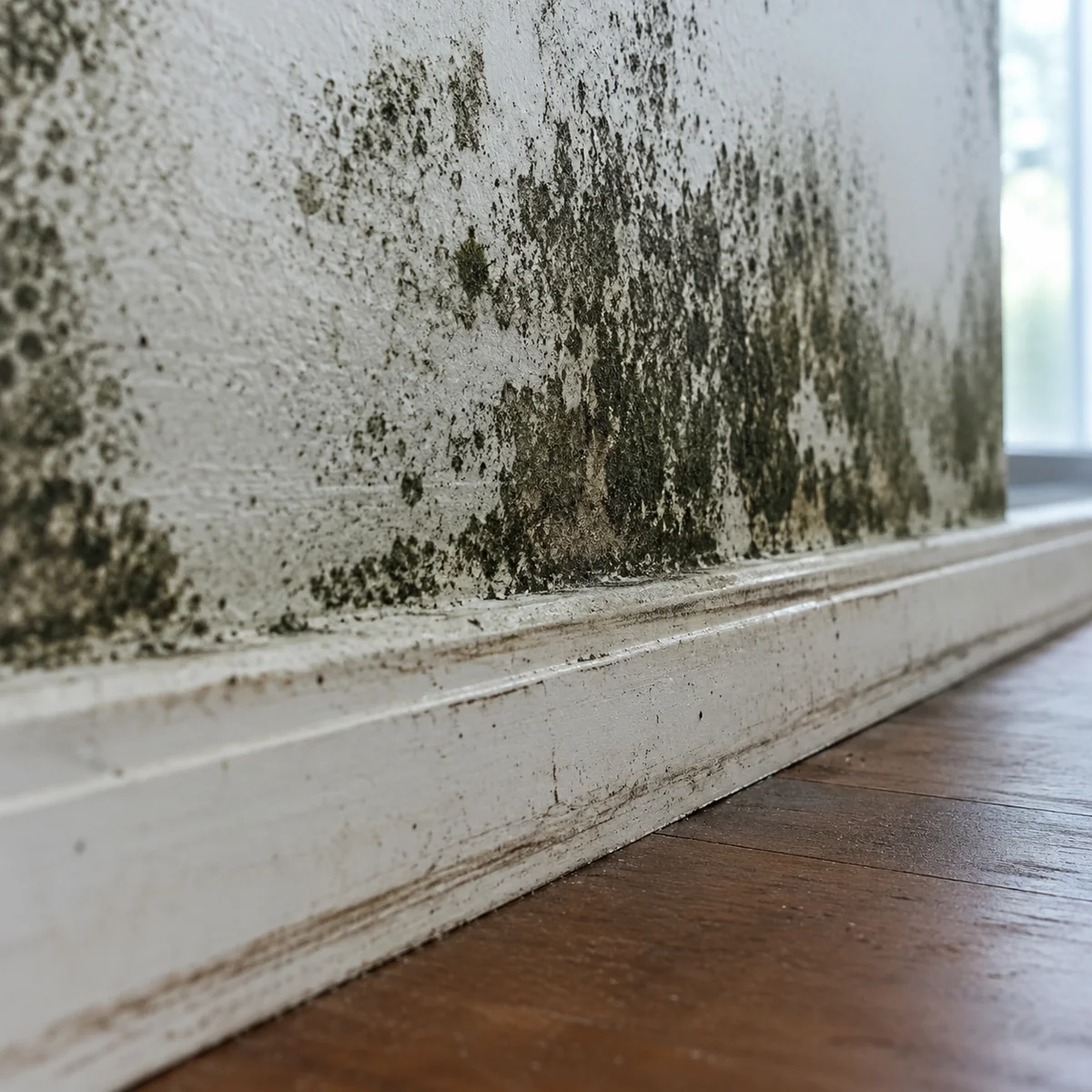
What mold looks like
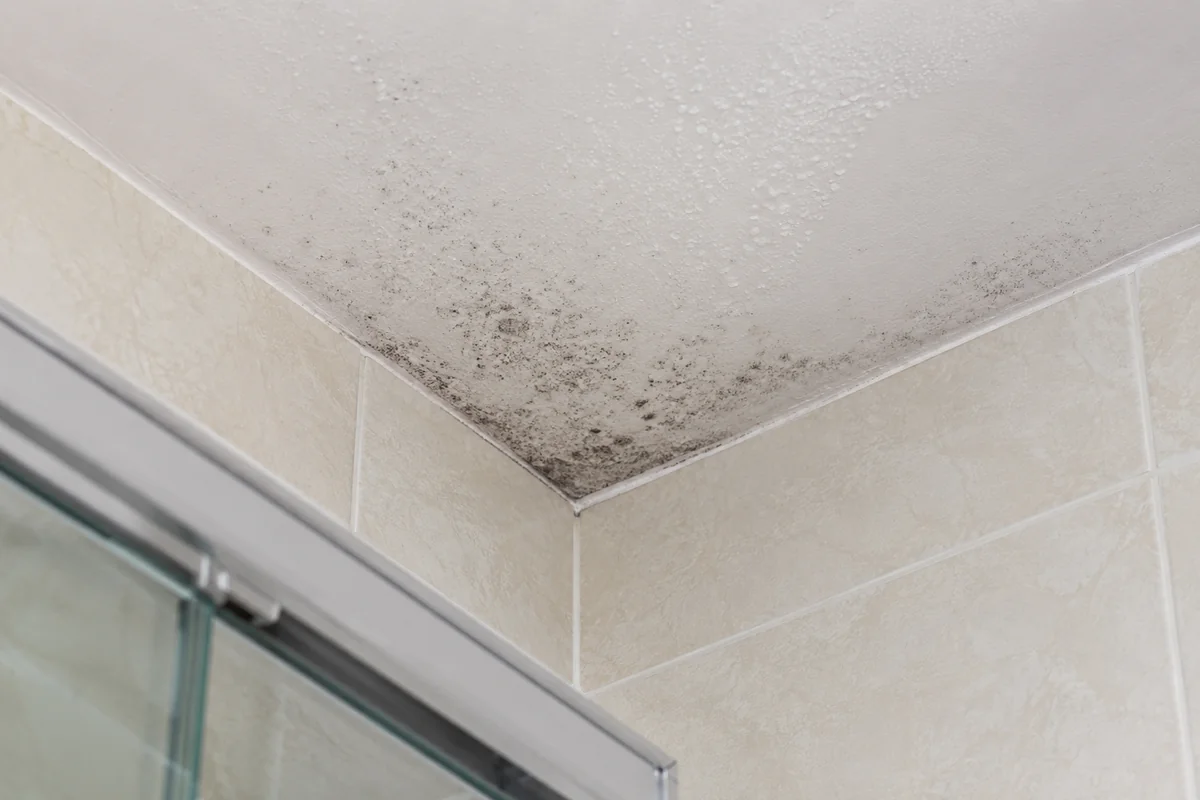
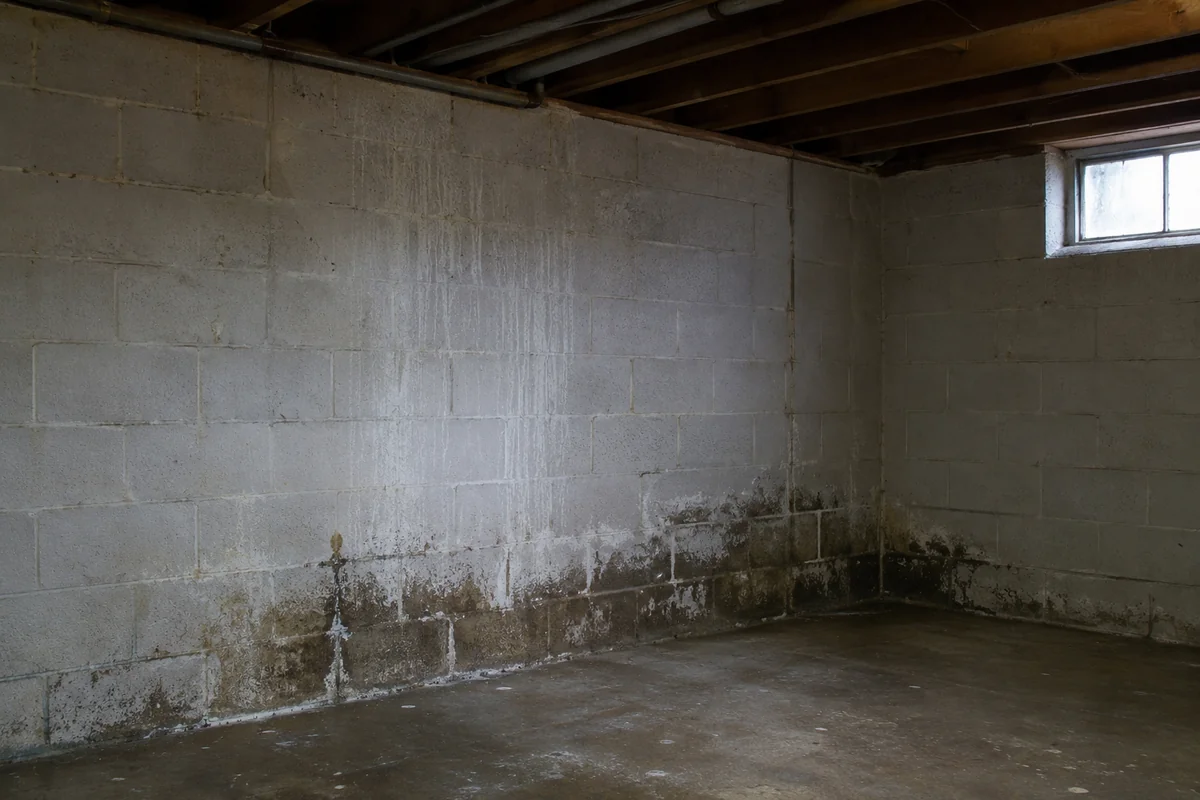
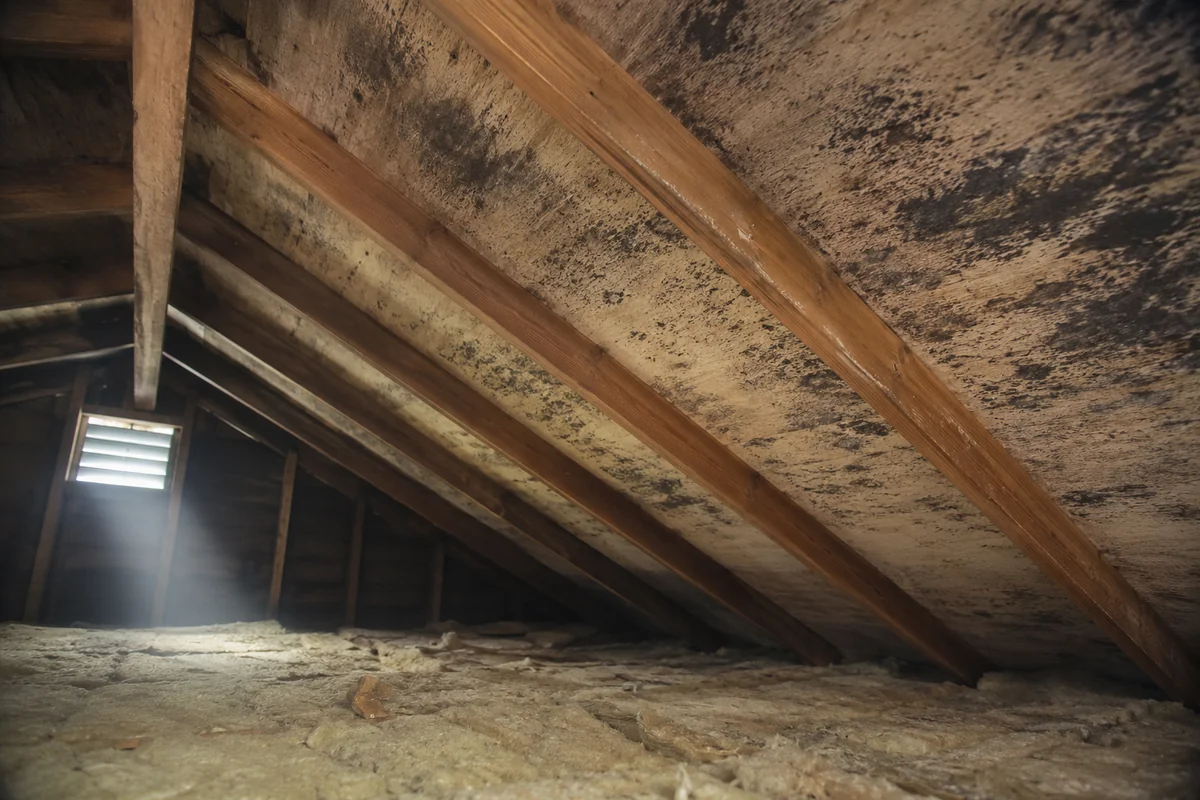
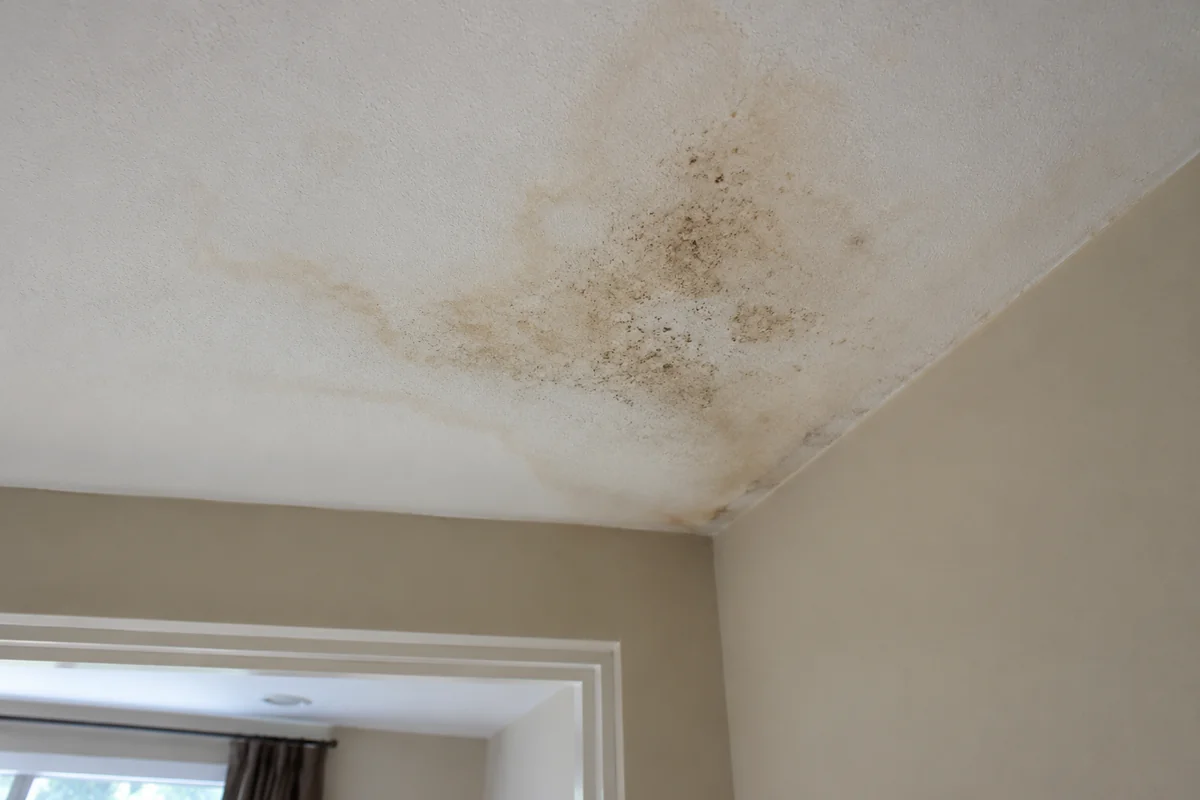
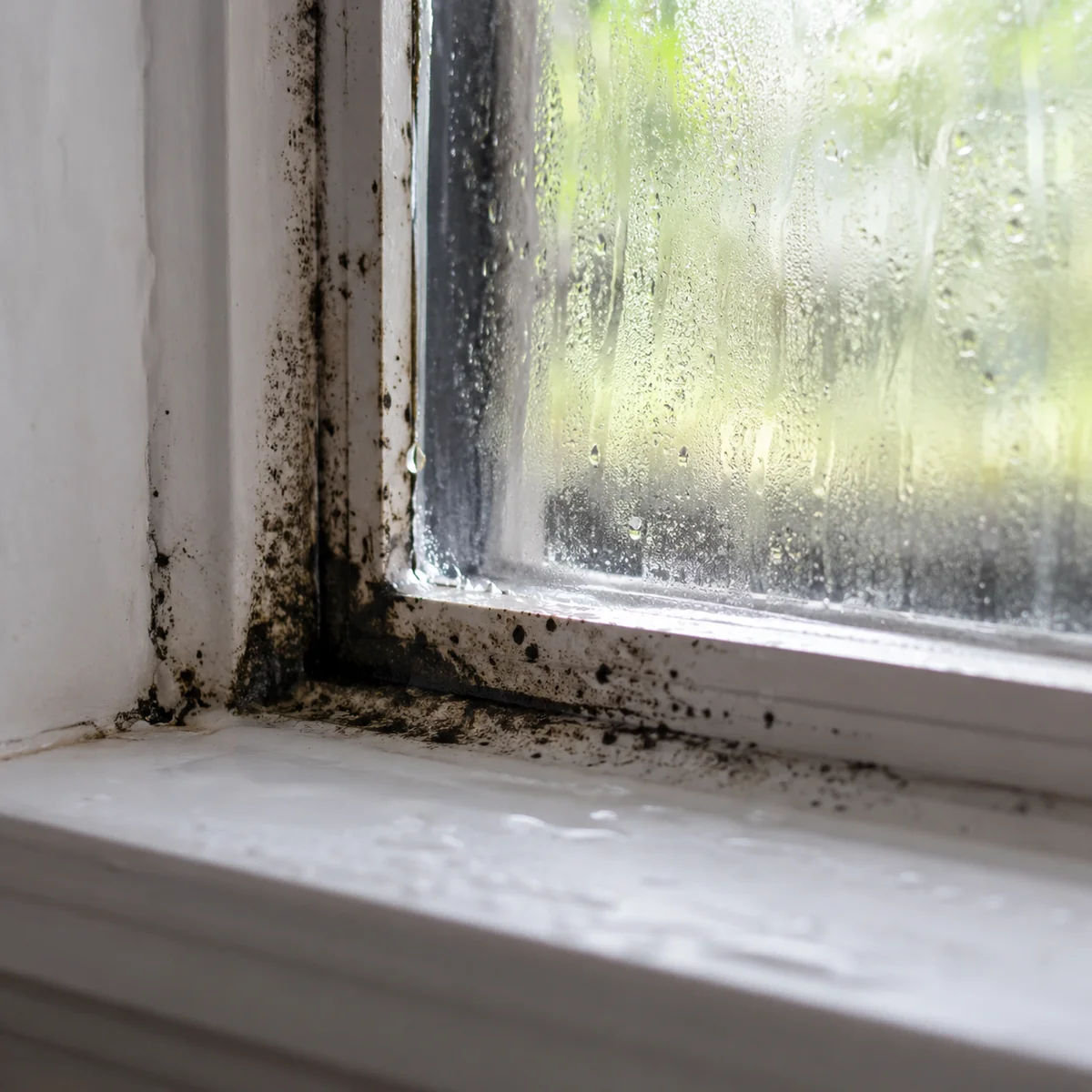
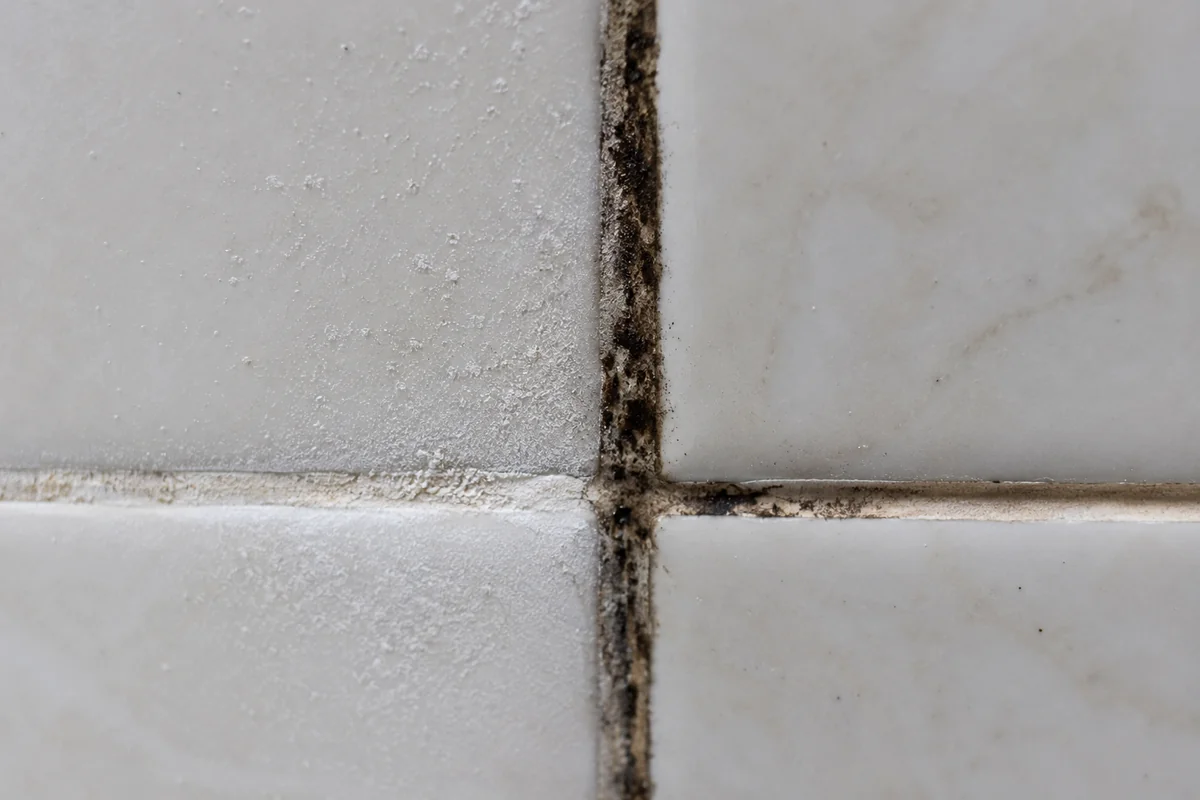
Not sure what you are dealing with?
A quick guided check tells you what you are looking at and the right next step.
Your nose is often the first tool that spots a moisture problem, so it pays to take it seriously. Walk the damp-prone spots, check the HVAC path, and resist the urge to cover the odor instead of solving it. Whether you trace it yourself or bring in help, the goal is to find the water and address the growth so that the musty mold smell has no reason to come back.
Not sure if it is even mold?
A quick guided check tells you what you are looking at and what to do next.